 listicle
Dry Skin Relief Facial Benefits: What to Expect
Table of Contents
- Why Dry Skin Needs More Than Just Moisturizer
- Signs of a Damaged Skin Barrier
- Key Dry Skin Relief Facial Benefits
- How to Fix Dry Skin Naturally Between Visits
- Finding the Best Professional Facial for Dry Skin
- How Often Should You Get a Facial for Dry Skin?
- Seasonal Shifts and Your Skin's Hydration Needs
- Your Path to Lasting Dry Skin Relief
- Frequently Asked Questions
Last Updated: September 9, 2026
Why Dry Skin Needs More Than Just Moisturizer
Dry skin relief is about restoring the skin's ability to hold onto moisture, not just layering products on top of it. When your face feels tight, looks dull, or shows flaky patches, moisturizer alone often falls short because the underlying issue is a compromised barrier.
The skin barrier is the outermost layer that locks in hydration and keeps irritants out. When it weakens, moisture escapes through transepidermal water loss, leaving skin parched no matter how rich your moisturizer is. A professional facial targets this deeper problem through cleansing, exfoliation, and treatment masks designed to rebuild that protective layer.
Effective dry skin relief requires both humectants, which pull water into the skin, and emollients or occlusives, which seal it in. A single product rarely delivers all three actions at the strength your skin needs, which is why a structured treatment plan tends to produce lasting change.
Signs of a Damaged Skin Barrier
A damaged skin barrier announces itself through specific symptoms: persistent tightness after cleansing, visible flakiness, rough patches, and dryness that returns within minutes of applying moisturizer. Many clients also notice increased sensitivity, redness, or stinging when using products that previously felt fine.
Your skin may also look dull or feel "crepey," with fine lines appearing more prominent than they should. This happens because a weakened barrier accelerates moisture loss and slows cellular turnover, leaving dead skin cells to pile up on the surface.
Dry skin and dehydrated skin are not the same condition, though they often occur together. Dryness refers to a lack of oil, while dehydration means insufficient water content. Understanding this distinction matters because treatment approaches differ, and a professional consultation can help you determine which issue, or combination of issues, you're managing.
Key Dry Skin Relief Facial Benefits
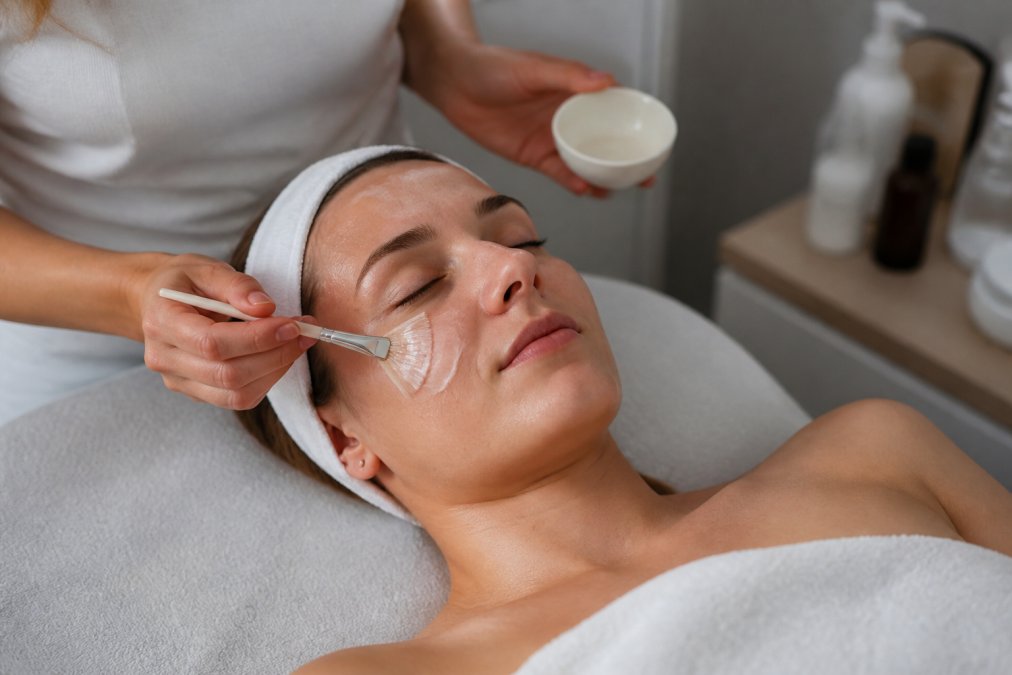
The most immediate benefit of a professional facial for dry skin is the layered approach to hydration that home routines rarely replicate. A skilled esthetician can assess your skin in person, adapt products to your response, and use techniques that improve product penetration far beyond what you can achieve alone. This is where dry skin relief moves from temporary comfort to genuine improvement.
Deep Hydration and Immediate Plumping
Hydrating facials deliver concentrated humectants like hyaluronic acid directly into the skin. Hyaluronic acid can hold up to 1,000 times its weight in water, making it the gold standard for drawing moisture into the stratum corneum (PubMed). In a professional setting, it is often applied in a multi-molecular-weight formulation, low-molecular-weight hyaluronic acid penetrates deeper to plump from within, while high-molecular-weight forms sit on the surface to hydrate the upper layers. When applied after gentle exfoliation, these ingredients penetrate more effectively, producing visible plumping and a smoother appearance within a single session.
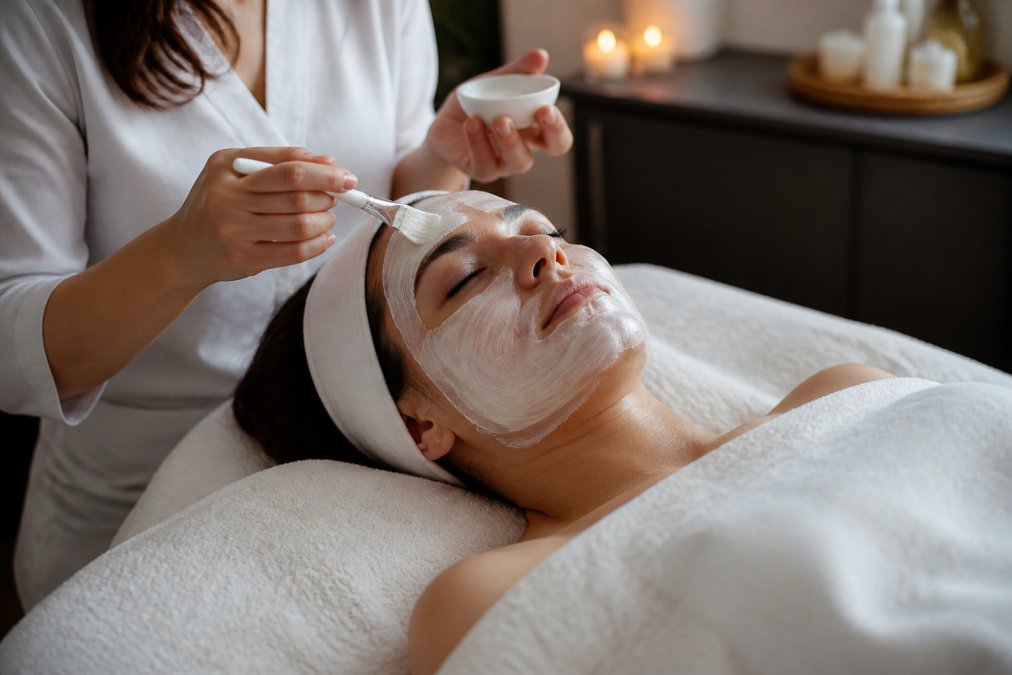
Ceramides are equally important because they replenish the lipid barrier that holds skin cells together. Ceramides make up roughly 50% of the skin's lipid composition, and a deficiency is a hallmark of dry, compromised skin (peer-reviewed research). Professional-grade treatments often use a ceramide complex that mirrors the skin's natural ratio, typically 1:1:1 of ceramides, cholesterol, and free fatty acids, to rebuild the barrier more effectively than consumer products. A facial that combines humectants with ceramide-rich moisturizers addresses both water content and barrier strength, which is why results feel different from a standard home routine.
Gentle Exfoliation for Smoother Texture
Exfoliation removes the buildup of dead skin cells that makes dry skin look dull and prevents moisturizers from absorbing properly. Professional facials use gentle chemical exfoliants, often based on enzymes or mild acids, that dissolve the bonds between dead cells without the abrasive friction of home scrubs. Two categories dominate professional practice for dry skin:
- Polyhydroxy acids (PHAs) like gluconolactone and lactobionic acid are larger molecules that do not penetrate as deeply as other acids, making them ideal for sensitive, dry skin. They also act as humectants, pulling moisture into the skin while exfoliating.
- Enzyme exfoliants derived from papaya (papain) or pineapple (bromelain) digest the keratin protein in dead skin cells. They are non-acidic, so they do not disrupt the skin's pH, and they are particularly well-tolerated by reactive skin types.
Professional treatments typically use 5% to 10% concentrations of PHAs, applied for 5 to 10 minutes depending on skin tolerance. This smooths texture while avoiding the micro-tears that physical exfoliation can cause on sensitive, dry skin. An esthetician controls how long the exfoliant stays on and neutralizes it at the right moment, minimizing irritation while maximizing results.
Regular professional exfoliation also signals the skin to increase cellular turnover, gradually improving tone and reducing flaky patches. The key difference from at-home products is concentration and timing: over-the-counter PHA products typically contain 2% to 5% active acid, while professional formulations are stronger and require neutralization.
How to Fix Dry Skin Naturally Between Visits
Supporting your skin between professional treatments comes down to adjusting daily habits rather than buying more products. The most effective home protocol mirrors what your esthetician does: gentle cleansing, targeted humectants, and barrier-repairing occlusives applied in the correct order and at the correct time.
The 3-Minute Rule After Cleansing
Start by switching to a gentle, sulfate-free cleanser. Look for formulations with glycerin or ceramides as the second or third ingredient on the label, this indicates a meaningful concentration. Wash with lukewarm water, since hot water strips the skin's natural oils and denatures the lipid barrier. Pat your face dry; do not rub. Apply your moisturizer within three minutes of washing, while skin is still slightly damp. This timing is critical because damp skin allows humectants to draw water into the stratum corneum more effectively than when applied to completely dry skin.
Layering Humectants and Occlusives
A common mistake is using a single all-in-one moisturizer and expecting it to perform every function. A more effective approach is to layer:
- A hydrating serum containing hyaluronic acid or glycerin. Glycerin is a workhorse humectant that draws water from the dermis and the environment into the outer skin layers. Apply this to damp skin.
- A ceramide-rich moisturizer to replenish lipids. Look for products that list ceramide NP, ceramide AP, or ceramide EOP in the first half of the ingredient list.
- A thin layer of an occlusive like petrolatum, shea butter, or squalane as the final step, particularly at night. Occlusives physically block transepidermal water loss by forming a hydrophobic film on the skin's surface. A pea-sized amount of petrolatum spread between the palms and pressed onto the face is sufficient, it does not need to be visible to be effective.
Environmental Adjustments
Humidifiers in your bedroom and workspace help maintain moisture in the air, reducing transepidermal water loss. The American Academy of Dermatology recommends keeping indoor humidity between 30% and 50% for optimal skin health. If you live in a dry climate or use central heating, a humidifier with a built-in hygrometer can help you monitor this. Hydration from within matters too: drinking enough water supports overall skin health, though it cannot replace topical moisturizers entirely.
Ingredient Contraindications for Compromised Skin
When your skin barrier is compromised, some active ingredients can worsen the problem. High-strength retinoids (above 0.1% tretinoin or 1% retinol) and high-concentration alpha-hydroxy acids (above 10% glycolic acid) can increase transepidermal water loss and trigger irritation. A common pattern is that clients continue these actives while their skin is flaking and sensitive, which prolongs recovery. If your skin is actively peeling or stinging, pause these actives for 3 to 5 days and focus exclusively on barrier repair before reintroducing them at a lower frequency.
The Over-Exfoliation Trap
A common mistake is over-exfoliating at home in an attempt to speed up results. Limit at-home exfoliation to once or twice weekly, and pause entirely for a few days before a professional facial so your skin is not sensitized before treatment. If you are using a chemical exfoliant at home, choose a PHA-based product at 5% concentration or lower rather than a physical scrub. The American Academy of Dermatology offers guidance on caring for dry skin and choosing appropriate moisturizers, which aligns with what most estheticians recommend for daily maintenance.
Finding the Best Professional Facial for Dry Skin
The best professional facial for dry skin prioritizes barrier repair over aggressive treatment. Look for estheticians who begin with a skin analysis rather than jumping straight into a standard menu treatment. A thoughtful consultation that asks about your current products, lifestyle, and any reactions you've experienced is the mark of someone who will tailor the session to your needs.
Ask potential providers about the specific ingredients they use for dry skin, including hyaluronic acid, ceramides, and soothing agents like aloe or oat extract. Inquire whether they perform a patch test if you have sensitivities, and how they adapt treatments for reactive skin. Providers who emphasize gentle techniques and gradual improvement typically deliver more sustainable results than those promising dramatic transformations in a single visit.
At Liz Almanzar Esthetics, our rejuvenating facials focus on personalized treatment in a professional, welcoming environment. We assess each client's skin before recommending a course of action, because dry skin relief is rarely a one-size-fits-all solution. Our goal is to enhance your natural beauty and delivering an enhanced aesthetic appearance through expert services tailored to your specific needs.
How Often Should You Get a Facial for Dry Skin?
For chronically dry skin, a facial every three to four weeks delivers the most consistent improvement. This interval aligns with your skin's natural cellular turnover cycle, allowing each treatment to build on the previous one. Clients who space sessions too far apart often lose the cumulative benefits of barrier repair.
Seasonal factors and stress levels can shift this schedule. During winter or after periods of increased stress, your skin may benefit from more frequent sessions, while summer might allow longer gaps. Your esthetician should help you calibrate frequency based on how your skin responds between visits.
Between professional treatments, a simple home routine with a gentle cleanser, hydrating serum, and ceramide-rich moisturizer maintains your skin barrier. Consistency in this daily care is what determines how long professional results last.
| Treatment Focus | Recommended Frequency | Primary Benefit |
|---|---|---|
| Barrier repair | Every 3-4 weeks | Rebuilds lipid layer |
| Deep hydration | Every 3-4 weeks | Plumps and smooths |
| Maintenance | Monthly or as needed | Preserves results |
Seasonal Shifts and Your Skin's Hydration Needs
Your skin's hydration requirements change dramatically with the seasons, and adapting your facial routine accordingly prevents the cycle of flare-ups many people experience. Winter's low humidity and indoor heating accelerate moisture loss, making richer treatments and more frequent visits necessary. Summer's higher humidity may allow lighter products but introduces increased sun exposure, which can worsen dryness and barrier damage over time.
The transition periods, spring and fall, are ideal times to reassess your routine rather than waiting for visible symptoms. Scheduling a facial at the start of each season gives your esthetician a chance to adjust your treatment plan before your skin becomes reactive.
Your home products should shift seasonally as well. A lighter gel moisturizer that works in July may prove inadequate in January, and vice versa. Consider keeping two moisturizers on hand and rotating them based on how your skin feels rather than strictly by calendar dates.
Your Path to Lasting Dry Skin Relief
Dry skin relief is achievable, but it requires shifting from a reactive mindset to a preventive one. The combination of professional treatments that rebuild your skin barrier and a consistent home routine that maintains it produces lasting change, not any single miracle product. Consistency matters more than intensity, and understanding your skin's specific needs matters more than following generic advice.
Working with a qualified esthetician who takes time to understand your skin gives you a clear advantage over navigating this alone. The personalized approach at Liz Almanzar Esthetics, combining rejuvenating facials with guidance on home care, is designed to help you achieve and maintain healthier, more comfortable skin. If you've been struggling with persistent dryness, a consultation is the first step toward understanding what your skin needs.
Frequently Asked Questions
Which facial is beneficial for dry skin?
Look for a hydrating facial that centers on humectants like hyaluronic acid to draw moisture in, and ceramides to help rebuild the lipid barrier. The best professional facial for dry skin will include a gentle, non-abrasive exfoliation step to remove flaky skin without causing micro-tears, followed by a soothing mask. Your esthetician should avoid harsh active ingredients like high-percentage acids or retinol, which can increase transepidermal water loss and worsen tightness.
Can regular facials help repair a damaged skin barrier?
Yes, when tailored to your skin. A facial that focuses on ceramides, fatty acids, and cholesterol provides the building blocks your skin needs to repair a compromised lipid barrier. Regular treatments also include professional-grade moisturizing ingredients that penetrate deeper than typical at-home products. However, the esthetician must first identify signs of a damaged skin barrier, such as persistent redness or stinging, and adjust the treatment to strengthen rather than strip the skin.
How often should you get a facial for chronic dry skin?
For chronic dryness, a monthly professional facial is the standard recommendation to maintain skin barrier health and consistent moisture levels. This schedule aligns with your skin's natural cellular turnover cycle. Between visits, you can work on how to fix dry skin naturally at home with a routine that includes a gentle cleanser, a hyaluronic acid serum applied to damp skin, and a rich occlusive moisturizer to seal in hydration.
How long after a facial do you see results for dry skin?
You will often notice immediate improvements in skin elasticity and a reduction in tightness right after the treatment due to the concentrated serums and masks used. However, the deeper benefits for skin texture and barrier repair build over time. Expect to see the most significant change in flaky skin and overall hydration levels about three to five days after your appointment, once any initial post-treatment redness has settled.
Getting lasting dry skin relief means finding a provider who treats your skin as an individual, not a menu item. At Liz Almanzar Esthetics, we specialize in rejuvenating facials tailored to your specific skin concerns, delivered in a professional and welcoming environment. Book a consultation to discuss your skin and discover how a personalized facial plan can restore comfort and a healthy glow.