 how-to
How to Fix Dry Skin Naturally: 7 Proven Steps
Table of Contents
- Why Your Skin Gets Dry and What It Needs
- Step 1: Switch to a Gentle Cleansing Routine
- Step 2: Master the Right Moisturizing Techniques
- Step 3: The Best Natural Oils for Dry Skin
- Step 4: Foods That Hydrate Skin From Within
- Step 5: How to Prevent Dry Skin in Winter
- Step 6: Upgrade Your Environment and Lifestyle Habits
- Step 7: Know When to See a Dermatologist
- Frequently Asked Questions
Last Updated: September 4, 2026
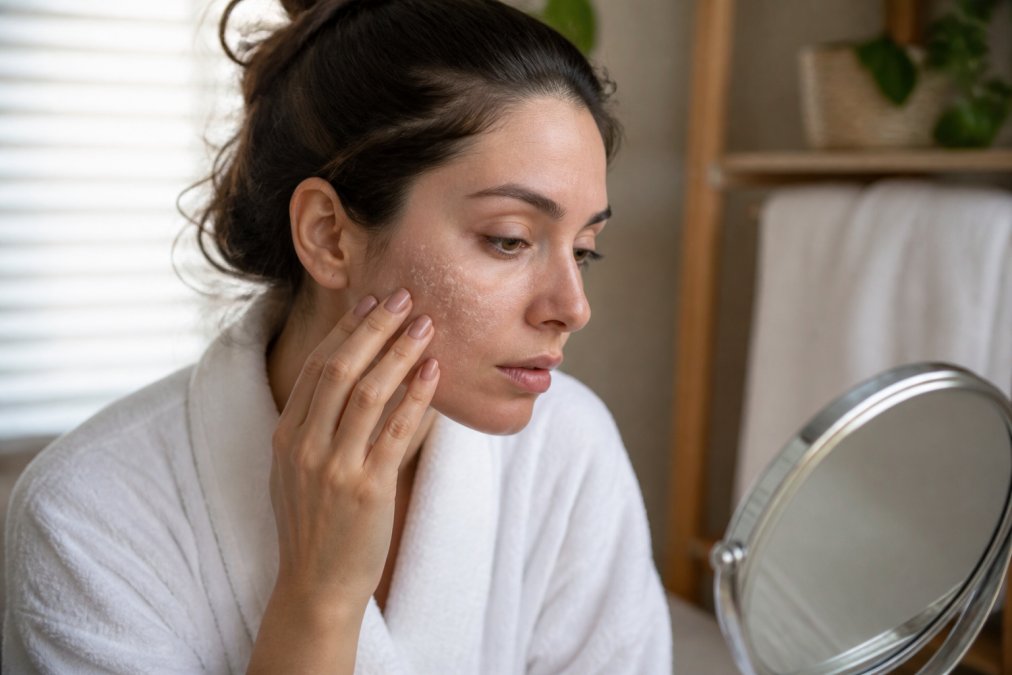
Dry skin is a common condition that occurs when the epidermis loses moisture and its natural lipid barrier weakens, leading to transepidermal water loss, flaky patches, and a rough skin texture. While many products promise relief, the most effective path to fix dry skin naturally focuses on restoring the skin barrier through gentler habits and targeted ingredients. At Liz Almanzar Esthetics, we see clients in Southeastern Connecticut who struggle with itchy skin and irritation, and the good news is that most cases improve significantly without prescription creams. Below, we outline seven proven steps that treat xerosis at its root, from bathing habits to the foods that hydrate skin from within.
Why Your Skin Gets Dry and What It Needs
The primary driver of dry skin is a damaged skin barrier. This outer layer of the epidermis acts as a seal, holding in water and keeping out irritants. When that seal is compromised, moisture escapes faster than it can be replaced, a process dermatologists call transepidermal water loss.
Your skin needs three categories of moisturizing ingredients to repair this damage: humectants, which pull water into the skin; emollients, which smooth flaky cells; and occlusives, which trap moisture on the surface. Most natural remedies fail because they only address one of these layers, leaving the barrier incomplete.
Step 1: Switch to a Gentle Cleansing Routine
Most people strip their skin before they ever moisturize. Hot water and harsh soaps dissolve the lipids that hold your skin barrier together, leaving the skin raw and vulnerable. The fix is to treat cleansing as a protective step, not a deep-cleaning one.
Start by bathing in lukewarm water for no more than ten minutes. Choose a gentle cleanser that is fragrance-free and labeled hypoallergenic, and avoid anything that foams aggressively or leaves your skin feeling tight. Many clients with dry skin find that washing only the essential areas with cleanser and rinsing the rest with water is enough to prevent irritation.
A common mistake is scrubbing with washcloths or loofahs to remove flaky skin. That friction inflames the epidermis and worsens the problem. Instead, pat the skin dry with a soft towel, leaving it slightly damp before you apply any moisturizer.
Step 2: Master the Right Moisturizing Techniques
The best moisturizer in the world does nothing if you apply it at the wrong time or in the wrong order. You have a narrow window after bathing, roughly three minutes, when the skin is still damp and most receptive to absorbing hydrating ingredients. This single habit is the most effective way to fix dry skin naturally.
But technique goes beyond timing. To truly repair a compromised barrier, you need to understand the three categories of ingredients and how to layer them for maximum effect:
-
Humectants first. Apply products containing glycerin, hyaluronic acid, or aloe vera to damp skin. These molecules draw water from the dermis and the air into the stratum corneum. Glycerin, in particular, is one of the most effective humectants available, with studies showing it can significantly reduce transepidermal water loss when used consistently.
-
Emollients second. Follow with a product containing ceramides, squalane, or fatty acids. Ceramides are the structural lipids that make up roughly 50 percent of the skin barrier (peer-reviewed research). Replenishing them is like replacing the mortar between bricks, it restores the physical integrity of the barrier and smooths the rough, flaky texture of xerosis.
-
Occlusives last. Seal everything with a layer of petrolatum, shea butter, or a dimethicone-based product. Occlusives form a hydrophobic film on the surface that physically blocks water from evaporating. Petrolatum alone can reduce transepidermal water loss by up to 98 percent, making it the most effective single ingredient for severe dryness (PubMed).
For the body, use a cream or ointment rather than a lotion, since lotions have a higher water content and evaporate faster. On the face, look for a moisturizer that combines a humectant with an occlusive layer to prevent water loss. If you use a serum or treatment product, apply it before your moisturizer, not after, the smaller molecules in serums cannot penetrate a heavy occlusive layer.
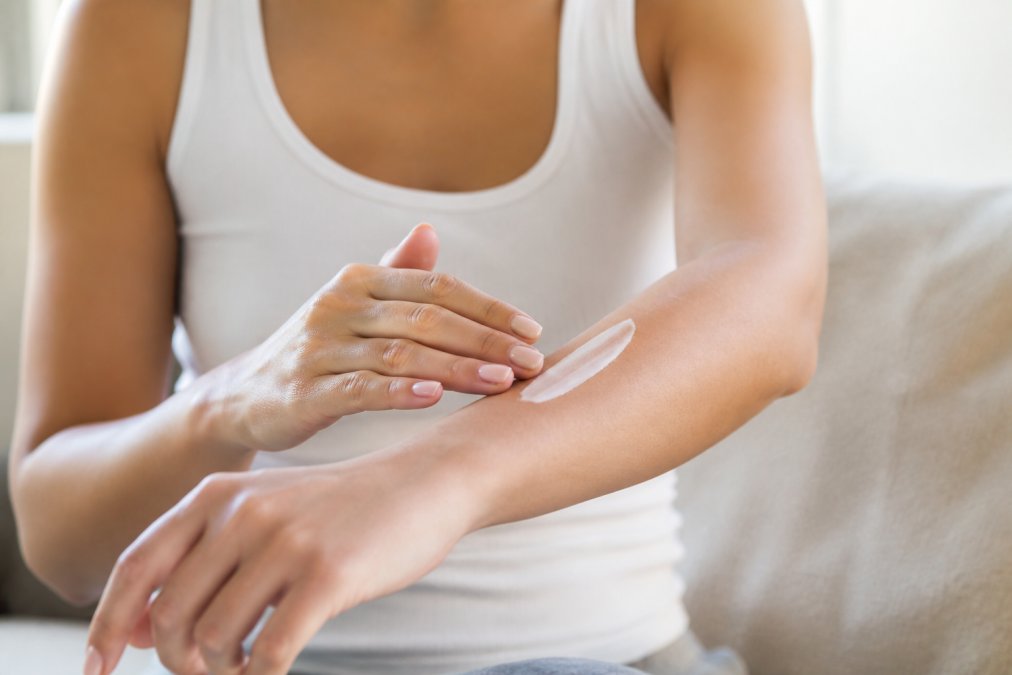
A common pattern among people with persistent dry skin is applying moisturizer only once per day. Most practitioners find that twice-daily application, morning and night, is the minimum for maintaining barrier repair, and three to four times daily may be necessary during winter or in low-humidity environments. The key is consistency: a thin layer applied frequently outperforms a thick layer applied sporadically.
Step 3: The Best Natural Oils for Dry Skin
Natural oils act as powerful occlusives and emollients, but they are not all created equal. The best natural oils for dry skin are those high in linoleic acid and ceramide precursors, which mimic the skin's own lipid structure. However, choosing an oil requires understanding its fatty acid profile, comedogenicity rating, and how it interacts with your specific skin type.
-
Sunflower seed oil is lightweight and high in linoleic acid (approximately 65-70 percent of its fatty acid content), making it excellent for daily use without clogging pores. It has a comedogenic rating of 0, meaning it is unlikely to block follicles, and it is well-tolerated even by acne-prone skin.
-
Petroleum jelly remains the gold standard occlusive, reducing transepidermal water loss more effectively than almost any other ingredient. While not a plant oil, it is a mineral-derived occlusive that dermatologists consistently recommend for severe xerosis. It has a comedogenic rating of 0 but feels heavy, so many people reserve it for overnight use on the body.
-
Coconut oil works well for the body but can be comedogenic for some people, with a rating of 4 out of 5 on the standard scale. It is rich in lauric acid, which has antimicrobial properties, but it can trigger breakouts on the face or chest. Use it cautiously on the face and discontinue if you notice any new bumps.
-
Olive oil is rich in squalene and oleic acid, which helps soothe flaky skin. However, its high oleic acid content can disrupt the skin barrier in some individuals, particularly those with atopic dermatitis. It is best used in small amounts or blended with a lighter oil.
-
Jojoba oil deserves special mention because it is technically a liquid wax ester, not an oil. Its molecular structure closely resembles human sebum, making it one of the most compatible options for facial use. It has a comedogenic rating of 2 and absorbs quickly without leaving a greasy residue.
The Safety Step Most Articles Miss: Patch Testing
Natural does not mean risk-free. Many plant oils contain compounds that can trigger skin irritation or allergic contact dermatitis in sensitive individuals. Essential oils, citrus extracts, and even some carrier oils like lavender or tea tree oil are common sensitizers. Before applying any new oil broadly, perform a patch test:
- Apply a small amount to a 1-inch area on your inner forearm or behind your ear.
- Cover it with a bandage and leave it in place for 48 hours.
- Check the area for redness, itching, burning, or swelling. If any reaction occurs, wash the area and do not use that oil.
- If no reaction appears, apply the oil to a small area of the face or body for another 72 hours before full use.
For application, the most effective method is to apply oil to slightly damp skin immediately after bathing. This traps the water that your skin has absorbed during the shower, maximizing hydration. If you find oils too heavy for daytime use, apply them at night as the final step in your routine, and protect your pillowcase with a towel.
Step 4: Foods That Hydrate Skin From Within
External hydration reaches only the outer layers, so the foods that hydrate skin from within are equally critical for a lasting fix. Water alone is not enough; your skin needs the right fats and micronutrients to build a healthy barrier.
Prioritize foods rich in omega-3 fatty acids, such as fatty fish and walnuts, which help reduce inflammation that worsens dry skin. Foods high in vitamin E, like almonds and avocados, provide antioxidant protection, while foods containing vitamin C support collagen production that keeps the skin supple.
A common misconception is that drinking excessive water will cure xerosis. While staying hydrated is necessary for overall health, the water you drink is distributed to your organs before your skin. The skin barrier relies more on topical occlusives and dietary lipids than on water intake alone, which is why a moisturizing routine remains non-negotiable.
Step 5: How to Prevent Dry Skin in Winter
Winter is the harshest season for dry skin because cold air holds little moisture and indoor heating accelerates transepidermal water loss. Learning how to prevent dry skin in winter starts with anticipating these environmental changes before your skin shows damage.
Run a humidifier in your bedroom to keep indoor humidity above 40 percent (the American Academy of Dermatology). Lower the thermostat slightly, since overheated rooms pull moisture from the air and your skin. When you go outside, cover exposed areas with a scarf and gloves, as wind breaks down the skin barrier faster than cold alone.
During winter, switch to a heavier moisturizer than you use in summer. Many people find that a balm or ointment applied at night, sometimes called "slugging," provides the occlusive layer needed to repair the skin while you sleep.
Step 6: Upgrade Your Environment and Lifestyle Habits
Your daily environment plays a larger role in dry skin than most people realize. Long, hot showers, abrasive clothing, and even certain laundry detergents can strip the skin of its natural lipids and undo all your moisturizing work.
Switch to a fragrance-free, dye-free laundry detergent designed for sensitive skin. Wear soft, breathable fabrics like cotton next to your skin, and avoid wool or synthetic materials that cause friction and irritation. When you bathe, skip the bubble bath and bath oils that contain fragrance, as these are common culprits for skin irritation.
Stress and poor sleep also affect the skin barrier. Elevated cortisol levels can impair the skin's ability to produce lipids and repair itself overnight. Prioritizing consistent sleep and finding ways to manage stress are not wellness clichés; they are physiological inputs that determine how well your skin can heal and retain moisture.
Step 7: Know When to See a Dermatologist
Natural remedies are effective for mild to moderate xerosis, but they have limits. If your skin remains persistently itchy, cracked, or painful after several weeks of consistent care, it is time to seek professional dermatological care.
See a dermatologist if you notice signs of infection, such as oozing, swelling, or warmth in the affected areas, or if the dryness spreads despite your best efforts. Persistent dry skin can also signal an underlying condition like eczema, psoriasis, or a thyroid issue that requires medical treatment rather than topical care alone. A dermatologist can prescribe stronger barrier-repair creams or identify triggers that over-the-counter options cannot address.
Fixing dry skin naturally is less about finding a single miracle product and more about correcting the daily habits that damage your skin barrier. Gentle cleansing, prompt moisturizing with the right ingredients, and environmental adjustments will resolve most cases of xerosis within a few weeks. At Liz Almanzar Esthetics, our rejuvenating facials are tailored to address dryness and restore a healthy, supple skin texture using professional techniques that complement your home routine. If you have tried these steps and still struggle with persistent flaky skin or irritation, book a consultation with us to build a personalized treatment plan that targets your specific skin concerns. Get started with Liz Almanzar Esthetics and give your skin the professional care it needs to look and feel its best.
Frequently Asked Questions
What is your body lacking when you have dry skin?
Dry skin often signals a lack of essential fatty acids and ceramides, which are the lipids that hold skin cells together and lock in moisture. A deficiency in vitamins like A, C, D, or E can also impair the skin barrier, leading to transepidermal water loss. Dehydration from not drinking enough water compounds the problem. While applying moisturizers helps externally, supporting your diet with healthy fats and staying hydrated addresses the internal side of the equation.
How do I rehydrate my skin naturally?
Start by swapping harsh soaps for a gentle, fragrance-free cleanser and washing with lukewarm water. Apply a moisturizer within three minutes of bathing to trap water in the skin, and look for humectants like glycerin or hyaluronic acid beneath an occlusive layer like petroleum jelly. Adding a humidifier to your bedroom and drinking more water supports hydration from within. Natural oils like jojoba or squalane can also help reinforce your skin barrier without clogging pores.
Can diet help improve dry skin conditions?
Yes. Foods that hydrate skin from within include fatty fish rich in omega-3s, avocados, nuts, and seeds, which provide the lipids your skin barrier needs. Fruits and vegetables with high water content, like cucumber and watermelon, plus foods rich in vitamin C and E, support collagen production and skin repair. While diet alone won't cure severe xerosis, consistently eating these foods can improve skin texture and reduce flakiness over time.
What is the #1 cause of dry skin?
The most common cause is a compromised skin barrier, which allows moisture to escape and irritants to enter. This barrier is often damaged by environmental factors like cold, dry air, harsh soaps, and hot showers. These strip away the skin's natural lipids, leading to transepidermal water loss. While genetics and certain medical conditions like eczema play a role, everyday habits are the primary culprit for most people. Repairing the barrier with gentle cleansing and proper moisturizing is the first step.