 how-to
How to Prepare for Bikini Wax: Complete Guide
Table of Contents
- What You'll Need Before Your Bikini Wax Appointment
- Bikini Wax Hair Length Requirements and Timing
- Preparing Your Skin: Hygiene and Exfoliation
- How to Reduce Pain During Bikini Wax
- What to Avoid Before Your Appointment
- Bikini Wax Aftercare Tips and Recovery
- First-Time Bikini Wax: Managing Anxiety and Expectations
- Frequently Asked Questions
Last Updated: September 3, 2026
What You'll Need Before Your Bikini Wax Appointment
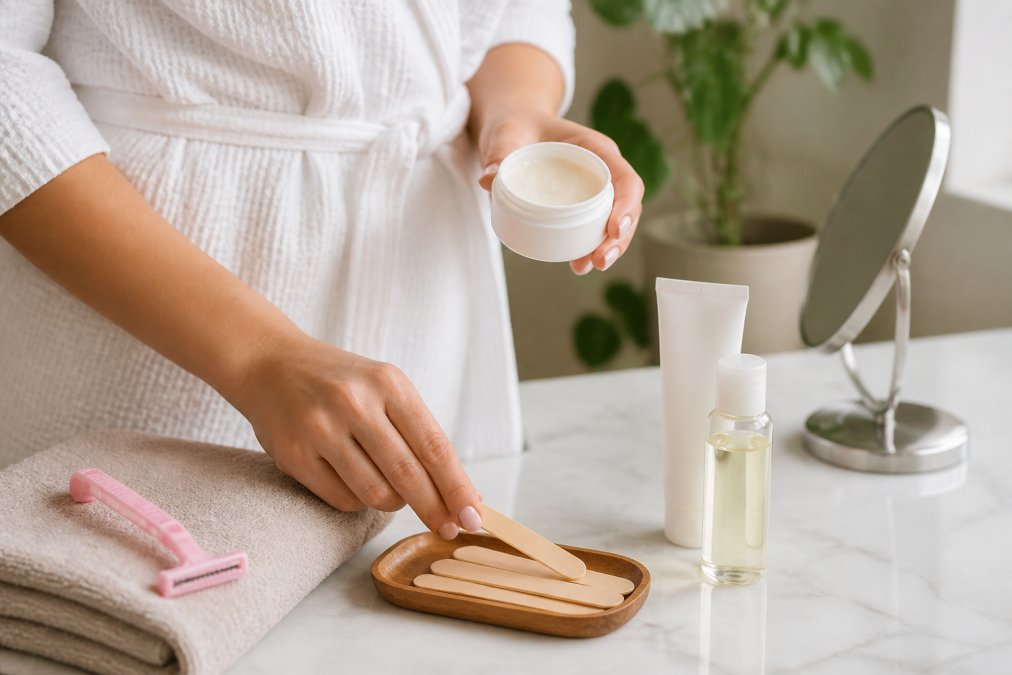
Preparing for bikini wax starts before you even call to book. Clean, loose-fitting cotton underwear is essential for post-appointment wear, as synthetic materials trap heat and moisture that irritate freshly waxed skin. You'll also need a gentle, fragrance-free moisturizer for sensitive skin, ibuprofen or anti-inflammatory pain reliever taken 30-45 minutes before your appointment, and optionally a topical anesthetic cream applied 15 minutes prior (discuss with your technician first).
At Liz Almanzar Esthetics, we recommend arriving with clean skin free of lotions, oils, or deodorant in the bikini area, as these interfere with wax adhesion. Wear comfortable, loose clothing to avoid rubbing the area immediately after waxing. Minimize caffeine and alcohol in the hours before your appointment, as both increase skin sensitivity and lower pain threshold. Stay hydrated instead; well-hydrated skin responds better to waxing and recovers faster.
Bikini Wax Hair Length Requirements and Timing
The ideal hair length for bikini waxing is approximately one-quarter inch, roughly the length of a grain of rice (the American Academy of Dermatology). Hair shorter than this won't grip the wax properly; hair longer can be more painful and may break rather than pull cleanly from the follicle.
If your hair is longer, trim it carefully 2-3 days before your appointment using small scissors or an electric trimmer. Do not shave beforehand, as shaving creates blunt ends that are harder for wax to grip. Allow a few days for any minor irritation to settle before your appointment.
Most people return every 3-4 weeks for maintenance waxing, aligning with the natural hair growth cycle of 3-6 weeks (peer-reviewed research). Consistency matters: regular waxing can eventually lead to finer, sparser regrowth over time, though results vary by person. Even quarter-inch hair is sufficient for a professional technician; coming in with too much hair only increases discomfort without improving results.
Preparing Your Skin: Hygiene and Exfoliation
Wash the bikini area thoroughly with warm water and a gentle, fragrance-free cleanser the morning of your appointment or a few hours before. This removes bacteria, sweat, and product buildup that could interfere with the wax or increase infection risk.
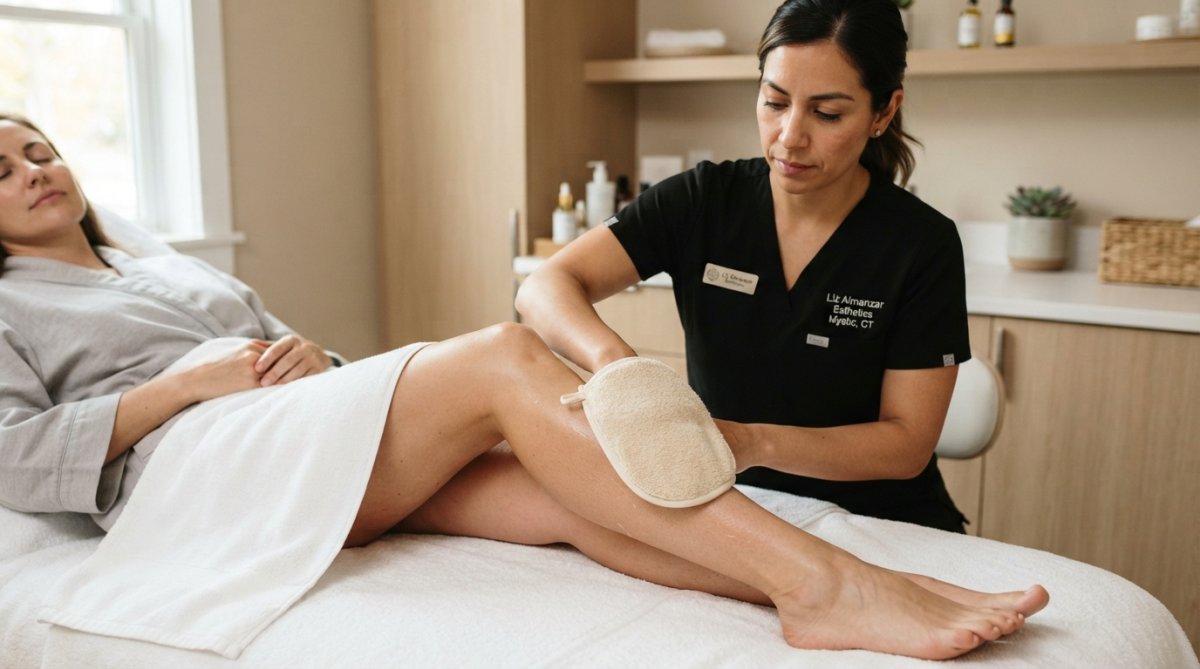
Begin gentle exfoliation 2-3 days before your appointment using a soft exfoliating mitt, gentle chemical exfoliant, or soft-bristled brush with light, circular motions. Avoid aggressive scrubbing, which irritates skin and increases sensitivity. Exfoliate no more than twice in the week before your appointment; overdoing it leaves skin raw and compromised.
Avoid other hair removal methods in the week before waxing. Shaving, plucking, and depilatory creams disrupt the skin barrier and cause irritation when combined with waxing. If you've recently used these methods, wait at least 5-7 days before scheduling your bikini wax.
Moisturize daily in the week before your appointment with a fragrance-free, hydrating lotion or oil containing glycerin or hyaluronic acid. Healthy, well-hydrated skin handles waxing better and recovers faster. However, skip moisturizer on the morning of your appointment; apply it after waxing instead.
If you have sensitive skin or conditions like eczema or psoriasis, discuss this with your waxing technician beforehand. They may recommend additional precautions or suggest patch testing the wax on a small area first.
How to Reduce Pain During Bikini Wax
Taking ibuprofen 30-45 minutes before your appointment is one of the most effective pain-reduction strategies, as anti-inflammatories reduce both pain perception and the inflammation response that follows waxing (the FDA). Topical numbing creams containing lidocaine can be applied 15 minutes before your appointment, though some waxing professionals prefer not to use them because they can slightly affect wax adhesion. Ask your technician about their preference first.
During the actual wax removal, take slow, deep breaths. Holding your breath increases tension and pain perception. Many technicians recommend exhaling as the wax strip is pulled, which relaxes muscles and reduces discomfort intensity.
Avoid caffeine for at least 4-6 hours before your appointment; caffeine increases nervous system sensitivity and makes you perceive pain more acutely. Alcohol is also best avoided, as it impairs judgment and increases bleeding risk. Staying hydrated and well-rested the night before also helps, as fatigue and dehydration lower pain tolerance.
Skin is most sensitive during the week before your period and during menstruation itself. Pain threshold is highest during the week immediately after your period ends. Booking your appointment 5-7 days after your period starts gives you the best pain experience.
Mental preparation reduces pain perception. Anxiety amplifies pain signals; visualization, positive self-talk, and scheduling with the same technician repeatedly can significantly reduce discomfort.
What to Avoid Before Your Appointment
Do not exfoliate on the day of your appointment. Exfoliation removes the outermost layer of skin cells, leaving skin more vulnerable to irritation. If you exfoliate, do so 2-3 days before, not the morning of.
Avoid applying any products to the bikini area on the day of your appointment, including lotions, oils, deodorants, perfumes, and body sprays. These create a barrier between skin and wax, reducing adhesion and effectiveness. If you shower before your appointment, use only water or a gentle cleanser.
Do not sunbathe or use tanning beds for at least 24-48 hours before your appointment, as sun exposure damages the skin barrier and makes it more reactive to waxing. Avoid swimming in chlorinated pools or hot tubs in the 24 hours before your appointment.
Certain medications and supplements increase bleeding and skin sensitivity. If you're taking blood thinners, aspirin, or high-dose vitamin E supplements, discuss this with your technician. Some acne medications, particularly retinoids, increase skin sensitivity and should be mentioned beforehand.
Avoid scheduling your bikini wax during your menstrual period if possible. Hormonal changes increase pain sensitivity and skin reactivity, and blood flow is heavier during this time. Ideally, schedule your appointment 5-7 days after your period starts.
Do not consume alcohol in the hours before your appointment, as it thins the blood, increases bleeding, and dehydrates skin. Avoid strenuous exercise or activities causing heavy sweating in the 24 hours before your appointment, as sweat interferes with wax adhesion.
Bikini Wax Aftercare Tips and Recovery
The first 24-48 hours after your bikini wax are critical for recovery. Do not apply any products except a gentle, fragrance-free moisturizer to the waxed area for at least 24 hours. A simple, soothing lotion with ingredients like aloe vera or chamomile is ideal.
Wear loose-fitting, breathable clothing for at least 24-48 hours after waxing. Cotton underwear and loose pants or skirts allow air circulation and prevent friction against freshly waxed skin. Tight clothing traps heat and moisture, creating an environment where bacteria thrive.
Avoid hot baths, showers, saunas, and hot tubs for at least 24-48 hours after your appointment. Heat opens pores and increases inflammation. Lukewarm showers are acceptable, but avoid scrubbing or aggressive washing of the waxed area. Pat skin dry gently rather than rubbing.
Exfoliation should resume 3-5 days after waxing. Gentle exfoliation 2-3 times per week in the weeks following your appointment prevents ingrown hairs. Use a soft exfoliating mitt or gentle chemical exfoliant, avoiding anything abrasive.
Moisturize consistently in the weeks following your wax with a fragrance-free moisturizer containing hydrating ingredients like glycerin or hyaluronic acid. Avoid sexual activity and tight friction against the waxed area for at least 24-48 hours after your appointment.
If redness, swelling, or irritation develops and doesn't improve within 24-48 hours, or if you notice signs of infection like pus or warmth, contact your esthetician or dermatologist. Minor redness and slight swelling are normal immediately after waxing.
First-Time Bikini Wax: Managing Anxiety and Expectations
First-time anxiety about bikini waxing is completely normal. Most bikini waxes take 15-30 minutes from start to finish. Your waxing technician has performed this service hundreds of times and maintains clinical detachment, focusing entirely on delivering quality service.
Communicate openly with your technician. Before the appointment begins, mention if you're nervous, have sensitive skin, or are experiencing pain during the process. A good technician will adjust their approach and explain each step. Never silently endure pain you could communicate.
Expect some discomfort, but it's typically brief. Each wax strip is pulled quickly, and the sharp sensation lasts only a second or two. The anticipation is often worse than the actual experience. Many first-timers report that the second appointment is significantly less uncomfortable because they know what to expect.
Minor redness and swelling immediately after waxing is completely normal and resolves within a few hours to a day. Some people experience small red bumps in the follicles; these typically fade within 24-48 hours.
A professional bikini wax removes hair more effectively than at-home methods, though some fine, short hairs may remain. Complete smoothness lasts 3-4 weeks before regrowth begins. Regular waxing every 3-4 weeks can eventually lead to finer, sparser regrowth, though this takes several months of consistent waxing.
If you're considering bikini waxing but remain uncertain, schedule a consultation with a professional esthetician. At Liz Almanzar Esthetics, we encourage first-time clients to discuss concerns beforehand.
Preparing for bikini wax requires attention to detail in the days and hours before your appointment, but the process becomes straightforward once you understand what's involved. Clean, exfoliated skin; appropriate hair length; strategic timing around your menstrual cycle; and thoughtful pain management all contribute to a smoother, more comfortable experience. At Liz Almanzar Esthetics, our professional team specializes in precise waxing services tailored to your needs, ensuring you receive expert care in a welcoming environment. Book your appointment with confidence, knowing you're prepared for success.
Frequently Asked Questions
How long should hair be before a bikini wax?
Hair should be at least one-quarter inch long (about the size of a grain of rice) but no longer than one-half inch. This length allows the wax to grip the hair effectively while minimizing discomfort. If hair is too short, the wax cannot grab it; if it's too long, it can cause more pulling. Most professionals recommend scheduling your bikini wax about 3-4 weeks after your last shave or wax to achieve the ideal length.
What should I avoid before my bikini wax appointment?
Avoid sun exposure, tanning beds, and self-tanning products for at least 24 hours before your appointment, as these can irritate skin. Skip caffeine and alcohol for 24 hours, as they increase pain sensitivity and can cause dehydration. Do not exfoliate or use harsh products the day of your appointment. Avoid tight clothing before waxing, and do not apply lotions, oils, or deodorants to the area being waxed. If you're menstruating, reschedule if possible, as your skin is more sensitive during this time.
Can I take pain relief before a bikini wax?
Yes, over-the-counter pain relievers like ibuprofen can help reduce discomfort. Take it about 30-45 minutes before your appointment with food or water. Some clients find topical anesthetics helpful, though check with your waxing technician first to ensure the product won't interfere with the wax. Avoid aspirin, as it can thin the blood and increase bruising. If you have a low pain threshold or are extremely anxious, discuss this with your technician during your consultation.
What medications or conditions affect bikini waxing?
Certain medications like retinoids, antibiotics, and blood thinners can increase skin sensitivity or bruising. If you're pregnant, have active skin infections, sunburn, or open wounds, postpone your appointment. Hormonal changes during your menstrual cycle can increase pain sensitivity, so timing your appointment for the week after your period may be more comfortable. Always inform your waxing technician about medications, skin conditions, and any recent treatments before your appointment.