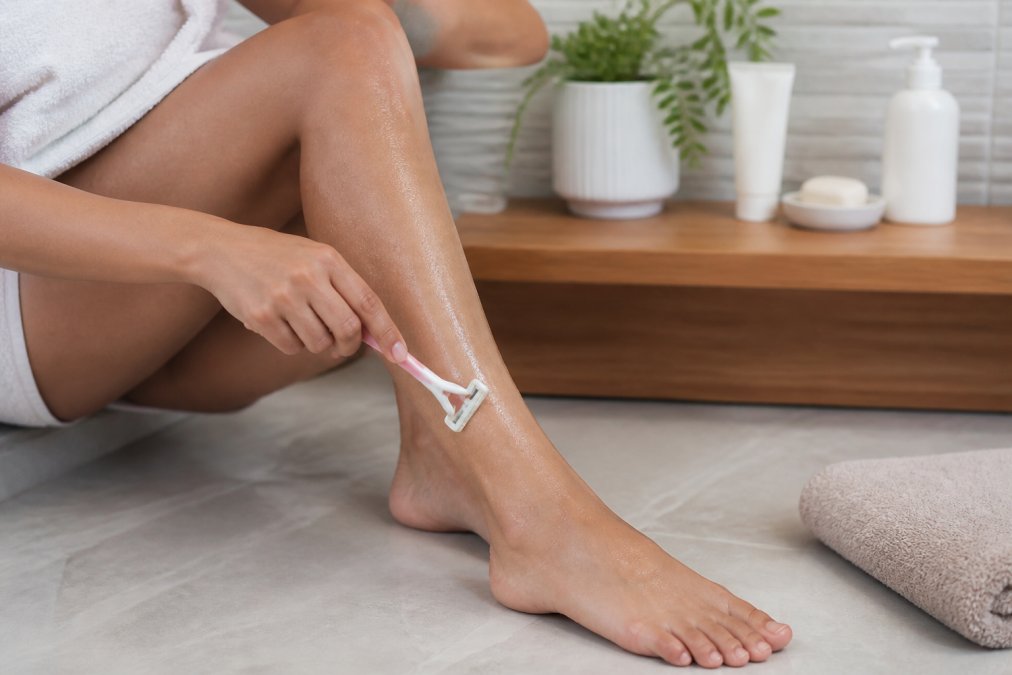
 how-to
How to Prevent Razor Bumps After Waxing: 2026 Guide
Table of Contents
- Why Razor Bumps Form After Waxing
- How to Prepare for Bikini Wax to Reduce Bumps
- The Waxing Aftercare 48 Hour Rule
- How to Treat Ingrown Hairs After Waxing
- Daily Habits That Prevent Razor Bumps After Waxing
- When to See a Professional for Persistent Bumps
- Conclusion
- Frequently Asked Questions
Last Updated: September 13, 2026
Why Razor Bumps Form After Waxing
Razor bumps after waxing are inflamed hair follicles, not true razor burn. Waxing pulls hair from the root, leaving the follicle open and vulnerable. When dead skin, bacteria, or friction block that opening, the new hair curls inward, and the skin reacts with redness and small raised bumps.
The medical term is folliculitis, an inflammation of the hair follicle (Folliculitis). Ingrown hairs are the close cousin: the hair grows sideways under the skin and creates a hard, tender bump. Both appear most often in the bikini line, underarms, and anywhere clothing rubs against freshly waxed skin.
Most post-wax breakouts trace back to three things: skipped exfoliation, friction from tight clothing, and pore-clogging products in the first 48 hours.
This guide covers how to prevent razor bumps after waxing, from prep to daily habits.
How to Prepare for Bikini Wax to Reduce Bumps
Preparation starts days before your appointment. The most effective step is gentle exfoliation 24 to 48 hours before your wax, clearing dead skin cells from the follicle opening so hair regrows without trapping.
A common mistake is exfoliating the day of your appointment, which leaves skin raw before wax touches it. Aim for two days out, using a soft scrub or washcloth with gentle circular motions.
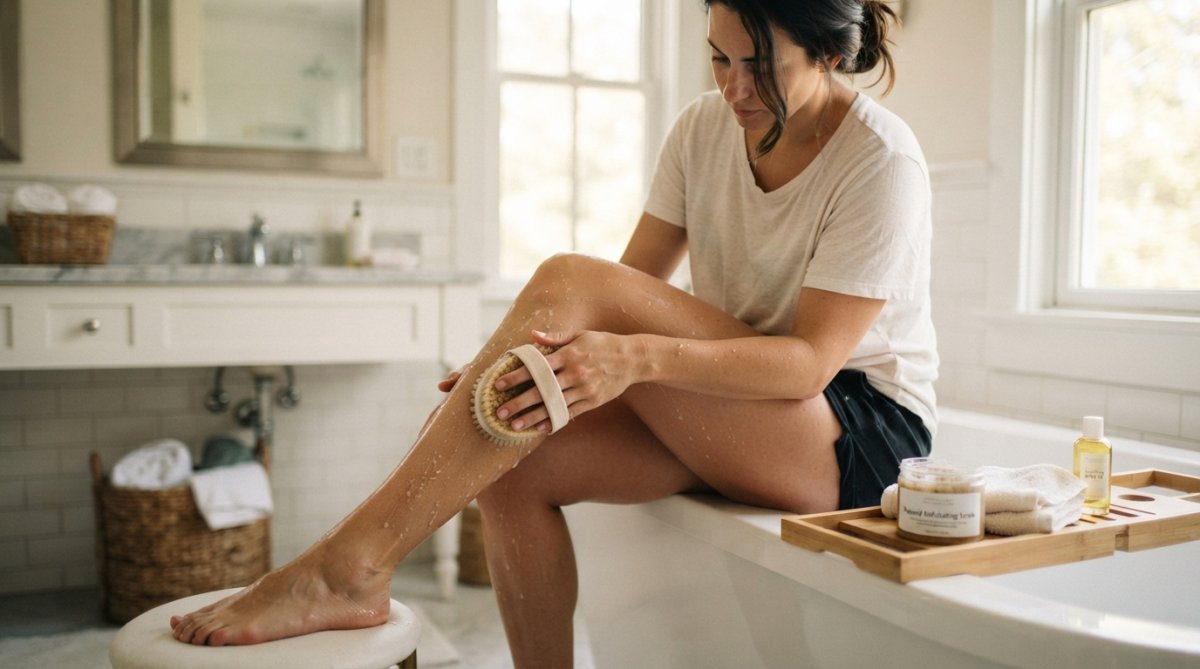
A few prep habits that make a real difference:
- Stop shaving at least two weeks before waxing so hair reaches the right length (Checking your browser)
- Skip retinoids and strong acids on the area for three days prior
- Moisturize daily in the week leading up, but not the day of
- Wear loose clothing to the appointment to reduce friction afterward
If your skin is highly sensitive, tell your esthetician before the service. A patch test or gentler wax formula can head off a reaction.
The Waxing Aftercare 48 Hour Rule
The first 48 hours after waxing decide whether you get smooth skin or a field of bumps. The follicle is an open channel: wax has removed the hair and a thin layer of follicular lining, and the skin barrier that seals that opening is temporarily disrupted. That is why the area stings, looks pink, and reacts to almost everything. Treat it like a fresh abrasion, because mechanically it behaves like one.
The stratum corneum, the outermost layer of dead cells and lipids, is thinner and less organized right after waxing. Water escapes faster, irritants penetrate more easily, and bacteria can slip into the open follicle. Every rule below reduces one of those three risks.
What to avoid for 48 hours:
- No hot showers, saunas, hot tubs, or steam rooms. Heat increases blood flow to already-inflamed follicles, amplifying redness and swelling.
- No gym sessions or heavy sweating. Sweat mixed with friction and bacteria is the most common trigger for post-wax folliculitis.
- No swimming in pools, lakes, or oceans. Chlorine irritates compromised skin, and open water carries bacteria that can colonize open follicles.
- No tight clothing, synthetic fabrics, or friction. Friction creates micro-tears and pushes bacteria into the follicle.
- No scented lotions, fragrances, essential oils, or pore-clogging products. Fragrance is a leading contact irritant, and heavy occlusives like petrolatum or coconut oil trap bacteria in the open follicle.
- No retinoids, AHAs, BHAs, or vitamin C serums on the waxed area (Checking your browser). These actives strip the already-thin barrier and can turn mild irritation into a chemical burn.
What to do instead: wear breathable cotton, keep the area clean and dry, and apply a soothing, non-comedogenic moisturizer. Look for fragrance-free formulas built on ceramides, glycerin, or hyaluronic acid, these rebuild the lipid barrier rather than just sitting on top of it. Aloe vera and witch hazel soothe redness; witch hazel also has mild astringent properties that help keep the follicle clean. If you must exercise, choose low-impact movement, shower immediately after with lukewarm water, then reapply moisturizer.
Skin type changes the protocol:
- Sensitive or reactive skin: extend the strict window to 72 hours. Skip witch hazel (the tannins can sting) and use colloidal oatmeal or a ceramide cream instead. Patch-test new products on your inner arm first.
- Acne-prone or oily skin: don't reach for salicylic acid immediately. Wait the full 48 hours, then introduce it slowly. In the meantime, use a lightweight gel moisturizer rather than a cream to avoid clogging follicles.
- Dry skin: barrier repair is the priority. Layer a humectant (glycerin or hyaluronic acid) under an occlusive-free emollient, and reapply two to three times a day. Dry skin cracks easily, and cracked skin invites infection.
- Skin prone to hyperpigmentation: sun protection matters even on covered areas if they'll be exposed. UV exposure on freshly waxed, inflamed skin commonly triggers post-inflammatory dark marks.
The 48-hour number is a practical guideline, not a hard cutoff. Follicles typically close within 24 to 48 hours, but full barrier recovery can take longer, especially on the bikini line and underarms where skin is thinner and friction is higher. If your skin still feels tender or looks pink at hour 48, extend the gentle phase another day.
Most bumps in this window come from heat, sweat, or friction, not the wax itself. Control those three variables and you prevent the majority of post-wax breakouts.
How to Treat Ingrown Hairs After Waxing
Once the 48-hour window passes, you can treat bumps that have already formed. The goal is to free the trapped hair and calm inflammation without more irritation, and to repair the skin barrier waxing disrupted. Most guides skip that last part, which is the difference between bumps that fade in a few days and bumps that keep coming back.
Start with chemical exfoliants rather than physical scrubs. Salicylic acid and glycolic acid dissolve the dead skin plugging the follicle, which is exactly what an ingrown hair needs. Salicylic acid is oil-soluble, so it penetrates the pore and works well on oily or acne-prone skin. Glycolic acid is water-soluble, exfoliates the surface, and suits skin that tolerates it but can sting on sensitive areas. A salicylic acid toner or pad applied two to three times a week is standard. Start at a lower concentration and build up, more is not better.
For an active, inflamed bump:
- Apply a warm compress for a few minutes to soften the skin and encourage the hair to surface.
- Use a gentle chemical exfoliant, not a scrub. Physical scrubs on an inflamed follicle cause micro-tears and push bacteria deeper.
- Moisturize with a non-comedogenic, hypoallergenic product. This is the barrier-repair step most people skip.
- Resist picking or squeezing, which drives bacteria deeper and can cause post-inflammatory hyperpigmentation.
Repairing the barrier when bumps have already appeared
If bumps are already present, your barrier is compromised, part of why they formed. Exfoliating alone will not fix it and can worsen it if you overdo it. Pair every exfoliation session with barrier support:
- Alternate nights: exfoliate one night, then use a ceramide or niacinamide moisturizer the next. This gives the barrier time to rebuild between acid treatments.
- Look for ceramides, niacinamide, panthenol, and glycerin, the ingredients with the most consistent evidence for barrier repair.
- Avoid alcohol-based toners, physical scrubs, and hot water on the area while bumps are active.
- If the skin feels tight, stings when you apply moisturizer, or looks shiny and thin, stop exfoliating for a week and focus only on barrier repair.
Ingredient interactions to watch
Layering the wrong actives is a common reason post-wax bumps get worse. A few rules:
- Do not layer salicylic acid with glycolic acid on the same night. Pick one. Stacking them strips the barrier and causes irritation that mimics folliculitis.
- Do not use retinoids (tretinoin, adapalene, retinol) on a waxed area for at least 5 to 7 days. Retinoids thin the stratum corneum, and waxing already removes part of it. The combination causes severe irritation and can lead to burns.
- Do not layer vitamin C serums with AHAs or BHAs. The low pH of the acids destabilizes vitamin C and increases stinging.
- Do not apply benzoyl peroxide over freshly exfoliated skin. It is effective for folliculitis but drying, and can compound irritation. Use it on alternate days, not the same night as an acid.
- If you use a prescription topical for acne, ask your dermatologist how to pause it around waxing. Most recommend stopping 3 to 5 days before and resuming 5 to 7 days after.
Skin type specific protocols
- Sensitive skin: use mandelic acid or lactic acid instead of glycolic. Their larger molecules penetrate more slowly, so they sting less. Exfoliate once a week, not two to three times.
- Acne-prone skin: salicylic acid is your best fit. Pair it with a niacinamide moisturizer to control oil without stripping the barrier.
- Dry skin: lactic acid exfoliates and hydrates at once. Follow with a ceramide cream, not a lightweight lotion.
- Skin prone to hyperpigmentation: add a daily broad-spectrum sunscreen to the waxed area if it will be exposed. Exfoliated, inflamed skin darkens quickly with UV exposure.
If a bump becomes painful, hot, or filled with pus, that points to a bacterial infection rather than a simple ingrown hair. Stop exfoliating and see a professional. Spreading redness, increasing pain, and fever warrant prompt medical attention.
Daily Habits That Prevent Razor Bumps After Waxing
Consistency between appointments matters more than any single product. Clients who stay bump-free follow a simple routine every week, not just the day after their wax.
Your between-appointment routine:
- Exfoliate gently two to three times a week with a chemical exfoliant
- Moisturize daily with a non-comedogenic lotion to keep the skin barrier healthy
- Wear breathable fabrics, especially for underwear and workout gear
- Avoid pore-clogging body products on waxed areas
- Keep appointments on a regular schedule so hair never gets too long
The skin barrier is the piece most people overlook. When it is damaged, sensitivity rises and inflammation lingers. Moisturizing daily rebuilds that barrier and makes each subsequent wax less reactive.
When to See a Professional for Persistent Bumps
Most post-wax bumps settle within a week with consistent care. Some do not, and knowing when to stop treating at home protects your skin from lasting damage.
Book a professional consultation if you notice:
- Bumps that spread, multiply, or worsen after a week
- Pain, heat, swelling, or pus around the follicles
- Dark patches forming that do not fade
- Repeated breakouts after every wax, no matter what you try
A trained esthetician can assess whether you are dealing with folliculitis, an ingrown hair pattern, or a reaction needing a different wax formula or technique. For persistent or infected follicles, a dermatologist is the right next step.
If waxing consistently triggers bumps despite good aftercare, your skin may respond better to a different hair removal method. That is a conversation worth having with a professional rather than guessing.
| Problem | Likely Cause | Fix |
|---|---|---|
| Red bumps in first 48 hours | Heat, sweat, friction | Cool compress, loose clothing, rest |
| Hard tender bumps after a week | Ingrown hairs | Salicylic or glycolic acid, no picking |
| Painful pus-filled bumps | Bacterial infection | See a professional |
| Dark marks after bumps fade | Post-inflammatory hyperpigmentation | Sun protection, gentle care |
Conclusion
Preventing razor bumps after waxing comes down to preparation, a disciplined 48-hour recovery window, and a consistent between-appointment routine. Skip any one and bumps become far more likely.
At Liz Almanzar Esthetics, our waxing services are dedicated to enhancing your natural beauty and delivering an enhanced aesthetic appearance through expert services tailored to your specific needs. Our professional and inviting environment ensures every client receives exceptional care and achieves their desired results. We offer personalized facial treatments if you are managing acne or dryness alongside waxing.
Get started with Liz Almanzar Esthetics.
Frequently Asked Questions
Is it healthier to shave or wax?
Waxing removes hair from the root, so regrowth is softer and slower, which can reduce irritation for some people. Shaving cuts hair at the surface, often leading to sharper regrowth and a higher chance of razor bumps. Neither method is inherently healthier, but waxing may be better for those prone to ingrown hairs. Always follow proper aftercare to minimize risks.
What is the 48-hour rule for waxing?
The 48-hour rule means avoiding heat, friction, and intense exercise for two days after your wax. This includes hot showers, saunas, tight clothing, and sexual activity. These activities can irritate freshly waxed skin, increase redness, and raise the risk of infection. Following this rule helps your skin barrier recover and reduces the chance of bumps.
How long will bumps after waxing last?
Mild redness and small bumps usually fade within a few hours to a couple of days. If bumps persist beyond three to four days, they may be ingrown hairs or folliculitis, which can last longer without proper care. Consistent exfoliation and moisturizing can speed healing. See a professional if bumps become painful or show signs of infection.
Can I use exfoliating scrubs immediately after a wax?
No, wait at least 48 hours before exfoliating. Your skin is sensitive right after waxing, and scrubbing too soon can cause microtears and irritation. Start with a gentle chemical exfoliant like salicylic acid or glycolic acid after two days, then exfoliate two to three times a week to prevent ingrown hairs. Always moisturize afterward.