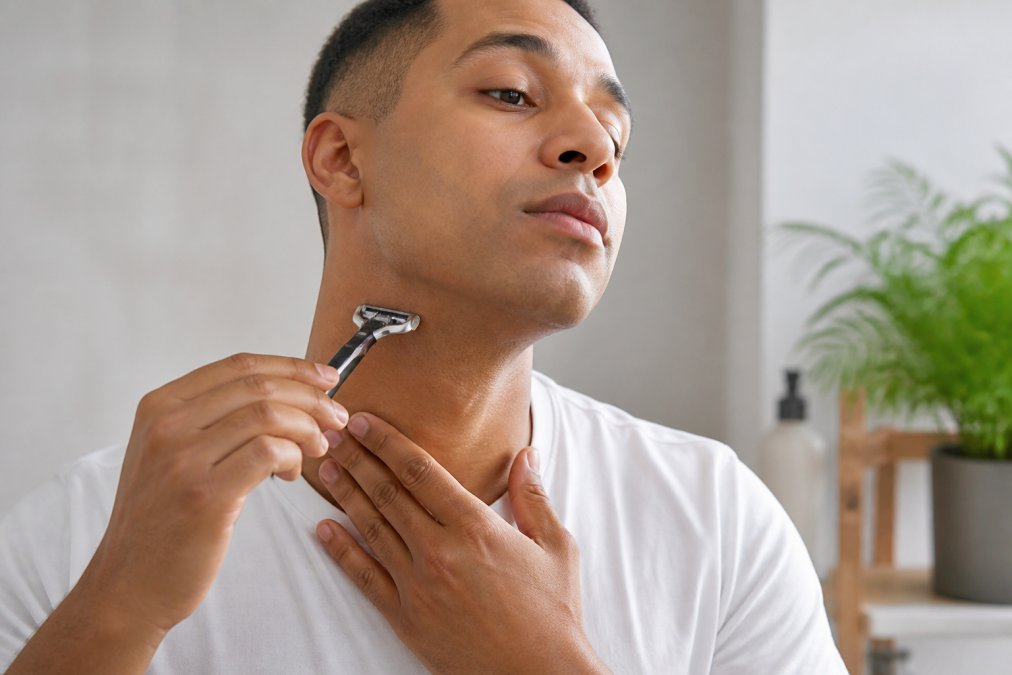
 how-to
How to Prevent Razor Bumps on Sensitive Skin
Table of Contents
- Why Sensitive Skin Is Prone to Razor Bumps
- Step 1: Prepare Your Skin Before Shaving
- Choosing the Best Shaving Cream for Sensitive Skin
- Step 2: Master the Right Shaving Technique
- Step 3: Soothe and Hydrate After Shaving
- How to Treat Ingrown Hairs When They Appear
- A Long-Term Alternative: How to Prepare for a Bikini Wax
- When to Stop Shaving and See a Professional
- Frequently Asked Questions
Last Updated: September 8, 2026
Razor bumps are a form of skin irritation that occurs when hair curls back into the skin, causing inflammation. For those with sensitive skin, this reaction is often more severe, leading to redness, discomfort, and even dark spots. Preventing them requires a shift from aggressive hair removal to a careful, skin-first routine. The solution almost always lies in preparation, technique, and knowing when to stop. This guide breaks down the exact steps to calm your skin and prevent razor bumps effectively.
Why Sensitive Skin Is Prone to Razor Bumps
Sensitive skin has a compromised moisture barrier, making it more reactive to friction and chemicals. When a razor drags across the surface, it creates micro-tears that trigger inflammation, while the hair follicle itself becomes easily irritated. This reaction, known as pseudofolliculitis barbae, is the medical term for razor bumps and ingrown hairs (peer-reviewed research). The key is to reduce friction and keep the skin barrier strong, minimizing the chance of hair becoming trapped beneath the surface.
Step 1: Prepare Your Skin Before Shaving
Preparation is the difference between a clean shave and a painful rash. Shaving dry or with minimal lubrication is the most common cause of razor burn. Start by cleansing the area with a gentle, fragrance-free wash to remove oils and dead skin cells.
Next, soften the hair by applying a warm compress for two to three minutes before shaving. This opens the hair follicles and makes the hair stand up straighter, allowing the blade to cut cleanly without tugging. A common mistake is shaving right after stepping into the shower; your skin needs those few extra minutes to fully hydrate.
Choosing the Best Shaving Cream for Sensitive Skin
Selecting the right shaving cream is arguably more important than the razor itself. For sensitive skin, the formula is the first line of defense against irritation. The best shaving cream for sensitive skin is one that is fragrance-free, hypoallergenic, and non-comedogenic, meaning it won't clog pores. But beyond those labels, you need to read the ingredient list carefully, because many products marketed for 'sensitive' skin still contain hidden irritants.
The 'Do Not Buy' List: Ingredients That Trigger Razor Bumps
Your skin's moisture barrier is already compromised, so anything that strips it further will worsen inflammation and increase the likelihood of hairs becoming trapped. Avoid these ingredients:
- Alcohol (SD alcohol, denatured alcohol, isopropyl alcohol): Used as a solvent and astringent, it evaporates quickly, pulling moisture from the skin and causing micro-tears in the barrier. This leads to rebound oiliness and increased reactivity.
- Fragrance and essential oils: Even natural oils like lavender, citrus, and peppermint are common contact allergens. On broken or freshly shaved skin, they can trigger contact dermatitis, which looks and feels exactly like razor burn.
- Menthol and camphor: These create a cooling sensation by activating TRPM8 receptors, but they do so by irritating nerve endings. On sensitive skin, this 'cooling' is actually a low-grade chemical burn.
- Sodium lauryl sulfate (SLS) and sodium laureth sulfate (SLES): These detergents create foam but strip the skin's natural lipids. They are often found in aerosol foams and gels, which is why those products are so drying.
- Propylene glycol: A penetration enhancer that can cause allergic reactions and stinging on compromised skin.
What to Look For Instead: Barrier-Supporting Actives
Instead of foaming agents and astringents, look for creams that function more like a moisturizer than a soap. The ideal shaving medium for sensitive skin contains:
- Glycerin or aloe vera: Humectants that draw water into the outer skin layer, providing a slick glide without stripping oils.
- Oat extract (colloidal oatmeal): Contains avenanthramides, which are naturally anti-inflammatory and help calm the skin before the blade even touches it.
- Allantoin and panthenol (pro-vitamin B5): Both promote cell turnover and soothe the skin barrier, reducing post-shave redness.
- Shea butter or squalane: Emollients that fill in gaps between skin cells, creating a smoother surface for the razor to glide over.
The Aerosol Foam Trap
Aerosol foams are a common culprit behind shaving irritation. The propellant gases and high detergent content create a light, airy foam that provides almost no cushion, leaving the blade scraping against skin with only a thin layer of soapy water for protection. A thicker, balm-like cream or a shaving oil provides a denser cushion, allowing the blade to glide without dragging or catching.
A Note on 'Natural' vs. 'Hypoallergenic'
Just because a product is labeled 'natural' does not mean it is safe for sensitive skin. Many natural formulations are packed with botanical extracts and essential oils that are potent sensitizers. Conversely, 'hypoallergenic' is not a regulated term by the FDA, so it is a marketing claim, not a guarantee (the FDA). The only way to know if a product works for you is to patch-test it on a small area of your inner arm for 24 hours before using it on your face or bikini line.
Step 2: Master the Right Shaving Technique
The technique you use determines whether you get a smooth shave or a week of itching. Always shave in the direction of hair growth, also known as "shaving with the grain." Going against the grain gives a closer shave but cuts the hair at a sharp angle, making it more likely to grow back into the skin and cause ingrown hairs.
Use short, gentle strokes and never press down hard on the razor. Let the weight of the blade do the work. Rinse the razor after every stroke to remove hair and cream buildup.
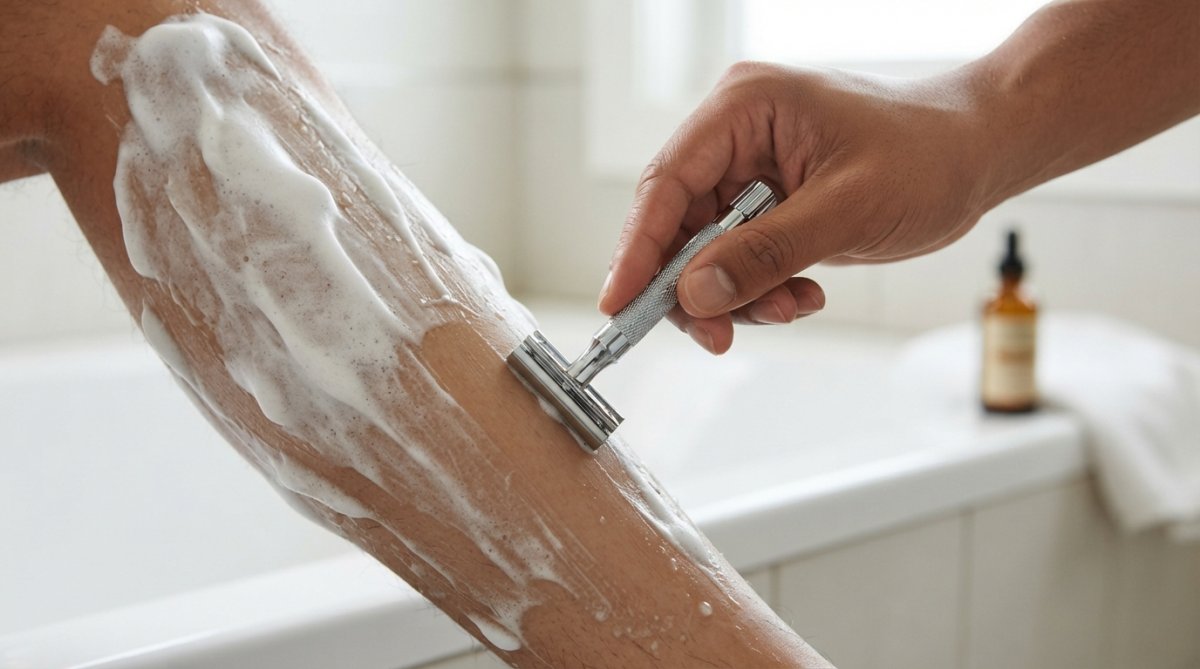
A dull blade is your skin's worst enemy. A blade that pulls or snags is not cutting the hair; it is tearing it. Replace your razor blade every five to seven shaves. If you are prone to skin sensitivity, consider a single-blade razor, as multi-blade razors can pull the hair up and cut it below the skin line, increasing the risk of razor bumps.
Step 3: Soothe and Hydrate After Shaving
Post-shave care is non-negotiable for sensitive skin, but it is more than just slapping on a moisturizer. For those who suffer from chronic razor bumps, the post-shave window is your only opportunity to repair the moisture barrier that shaving repeatedly damages. Skipping this step or using the wrong products sets the stage for the next breakout.
The Immediate 5-Minute Window
In the first five minutes after shaving, your skin is in a state of acute inflammation. The blade has stripped away the outer lipid layer, and your skin is trying to close off micro-tears. What you do in this window determines whether the inflammation subsides or spirals into a full-blown bump.
- Rinse with cool water, not cold: Cool water (around 60-70°F) helps constrict superficial blood vessels, reducing redness without shocking the skin. Ice-cold water can cause a rebound flush.
- Pat dry, never rub: Rubbing creates friction that re-irritates the freshly shaved surface. Use a clean, soft cotton towel and pat gently.
- Apply a barrier-repairing serum immediately: The skin is most receptive to active ingredients right after shaving. Look for a serum containing niacinamide (2-5%) or panthenol. Niacinamide strengthens the barrier and reduces post-inflammatory hyperpigmentation, which is the darkening that occurs after razor bumps heal.
The Two-Step Repair Routine: Treat, Then Seal
Most people make the mistake of using a single all-in-one product. For sensitive skin, a two-step approach is more effective:
Step A: A Soothing, Alcohol-Free Toner or Essence
Avoid witch hazel, despite what many traditional guides suggest. While it has astringent properties, commercial witch hazel often contains alcohol and can be overly drying. Instead, look for a toner with chamomile, green tea extract, or centella asiatica (cica) . These ingredients contain antioxidants that calm inflammation without stripping the skin.
Step B: A Fragrance-Free Moisturizer with Ceramides
Ceramides are the lipid molecules that make up about 50% of your skin's outer barrier. Shaving physically removes some of these lipids. Replenishing them is critical. Look for a moisturizer that lists ceramide NP, ceramide AP, or ceramide EOP in the first five ingredients. Pair this with hyaluronic acid to draw water into the skin, and squalane to lock it in.
The Long Game: Repairing a Chronically Damaged Barrier
If you have been dealing with razor bumps for months or years, your skin barrier is likely in a state of chronic dysfunction. This means it loses water faster than normal (transepidermal water loss), making it more reactive to everything. A single post-shave routine will not fix this. You need a dedicated barrier-repair protocol:
- Nightly: After cleansing, apply a ceramide-rich cream and seal it with a thin layer of petrolatum (Vaseline) or a squalane oil over the shaved area. This occlusion prevents water loss and allows the skin to repair overnight.
- Weekly: Use a 5-10% glycolic acid toner on the shaved area (not immediately after shaving, but on a non-shave day) to gently dissolve the intercellular 'glue' that traps hairs. This is different from physical exfoliation and is far gentler on a damaged barrier.
- Avoid over-washing: Washing the shaved area more than once a day strips the barrier further. Use only lukewarm water and a gentle, non-foaming cleanser.
The Role of Hydrocortisone (Use Sparingly)
For acute flare-ups where the skin is red and inflamed, a 1% over-the-counter hydrocortisone cream can be applied for a maximum of 3 consecutive days. This is a short-term anti-inflammatory, not a daily moisturizer. Prolonged use thins the skin and can worsen the problem. If you find yourself reaching for hydrocortisone more than once a month, you need to change your shaving routine or see a dermatologist.
How to Treat Ingrown Hairs When They Appear
Even with a perfect routine, ingrown hairs can happen. The most important rule is to not pick or squeeze them, as this introduces bacteria and can lead to infection and post-inflammatory hyperpigmentation, which leaves dark marks on the skin.
To treat an ingrown hair, apply a warm compress to the area for several minutes to soften the skin and encourage the hair to surface. You can then gently exfoliate the area with a soft washcloth in a circular motion. For persistent bumps, incorporate a chemical exfoliant containing salicylic acid or glycolic acid into your routine to help remove dead skin cells that trap the hair. If the bump does not resolve or shows signs of infection, such as pus or increasing pain, consult a dermatologist.
A Long-Term Alternative: How to Prepare for a Bikini Wax
If shaving continues to cause irritation, professional waxing offers a longer-term solution that eliminates the sharp hair edges responsible for razor bumps. Learning how to prepare for bikini wax is straightforward. Stop shaving at least two to three weeks before your appointment so the hair is long enough for the wax to grip.
Exfoliate gently the day before your appointment to remove dead skin cells. Avoid applying lotions, oils, or creams on the day of your wax, as these create a barrier that prevents the wax from adhering to the hair. If you have a low pain tolerance or high sensitivity, consider taking an over-the-counter pain reliever 30 minutes before your appointment. Professional waxing removes the hair from the root, leading to finer regrowth over time and significantly reducing the risk of ingrown hairs compared to shaving. Precise waxing is a core service designed for clients with sensitive skin who want a smoother, longer-lasting result.
When to Stop Shaving and See a Professional
There is a limit to what at-home care can fix. If you experience severe, painful bumps, widespread redness, or signs of infection, it is time to stop shaving that area entirely and seek professional help. Chronic razor bumps can lead to permanent scarring and hyperpigmentation if left untreated.
A consultation with an esthetician or dermatologist is the safest path forward. A professional can assess your skin type, recommend targeted treatments, and perform extractions safely. For those in the Mystic, CT area, the American Academy of Dermatology's guidance on managing razor bumps offers a useful starting point for understanding when medical treatment is necessary. Our team can also provide personalized advice on whether professional waxing is a better fit for your skin than shaving. Treating your skin gently and knowing your limits is the most effective way to prevent razor bumps and maintain a healthy, clear complexion.
Managing sensitive skin requires patience and the right techniques, but the payoff is skin that feels calm and looks clear. We understand how frustrating it is to deal with persistent irritation from shaving. Our professional waxing services are designed to reduce daily grooming time and prevent the cycle of razor bumps altogether, all within a gentle and welcoming environment. Get started with Liz Almanzar Esthetics and schedule a consultation to find the hair removal method that truly works for your sensitive skin.
Frequently Asked Questions
Why am I so prone to razor bumps?
Razor bumps, also known as pseudofolliculitis barbae, happen when shaved hairs curl back and grow into the skin, causing inflammation. You may be more prone if you have naturally curly or coarse hair, which is more likely to re-enter the skin after being cut. Shaving too closely or against the grain increases the risk. Using a dull blade or skipping proper skin preparation can also make irritation worse, leaving you with painful bumps and post-inflammatory hyperpigmentation.
What is the best shaving cream for sensitive skin?
The best shaving cream for sensitive skin is one that is fragrance-free, hypoallergenic, and non-comedogenic. Look for formulas with soothing agents like aloe vera, oat extract, or glycerin to help maintain skin hydration and reduce friction. Avoid products with alcohol, which can strip the moisture barrier. A cream with a rich, lubricating texture helps the razor glide smoothly, minimizing the chance of razor burn and irritation.
Are razor bumps basically ingrown hairs?
Razor bumps are a type of ingrown hair. Medically called pseudofolliculitis barbae, they occur when a shaved hair grows back into the skin instead of outward. This triggers an inflammatory response, which looks like small, red, or pus-filled bumps. While all razor bumps are ingrown hairs, not all ingrown hairs are caused by shaving. Friction from tight clothing or lack of exfoliation can also cause hairs to become trapped.
How to treat ingrown hairs when they appear?
To treat an ingrown hair, stop shaving the area until it heals. Apply a warm compress for a few minutes to soften the skin and help the hair surface. Gently exfoliate the area with a soft brush or a product containing salicylic acid or glycolic acid to release the trapped hair. Never pick or squeeze the bump, as this can cause infection and scarring. If it persists, a dermatologist can safely remove the hair.