 how-to
How to Reduce Pain During Eyebrow Waxing: 7 Proven Steps
Table of Contents
- Why Eyebrow Waxing Hurts and What You Can Do About It
- How to Prepare Skin for Eyebrow Wax
- Numbing Agents and Pain Management Techniques
- Eyebrow Waxing Aftercare Tips for Less Irritation
- Is Waxing or Threading Better for Sensitive Skin?
- Professional Technique: Why It Matters for Pain Control
- The Role of Your Menstrual Cycle in Eyebrow Waxing Pain
- Frequently Asked Questions
Last Updated: October 1, 2026
Why Eyebrow Waxing Hurts and What You Can Do About It
Eyebrow waxing hurts because the wax grips hair at the root, and the follicle sits deep in skin packed with nerve endings. The pull itself is brief. The sting that lingers comes from skin inflammation afterward. Pain is manageable when you control three things: skin prep, technique, and aftercare. This guide walks you through all three, so learning how to reduce pain during eyebrow waxing becomes a routine instead of a dread.
The Anatomy Behind Eyebrow Waxing Pain
The brow area sits close to the bone. There's very little fat cushioning the hair follicle, so the wax pulls against skin that has nowhere to give. Add thin, delicate skin around the eye, and you get a sensitive zone. That anatomy explains why a quick pull on your leg barely registers while your brow stings.
Pain Threshold and Skin Sensitivity Factors
Pain threshold varies from person to person. Some clients barely flinch. Others tear up at the first strip. Your threshold shifts based on sleep, stress, hydration, and hormones. Skin sensitivity plays a role too. Thin skin, recent sun exposure, and certain medications all lower the point where waxing starts to hurt.
How to Prepare Skin for Eyebrow Wax
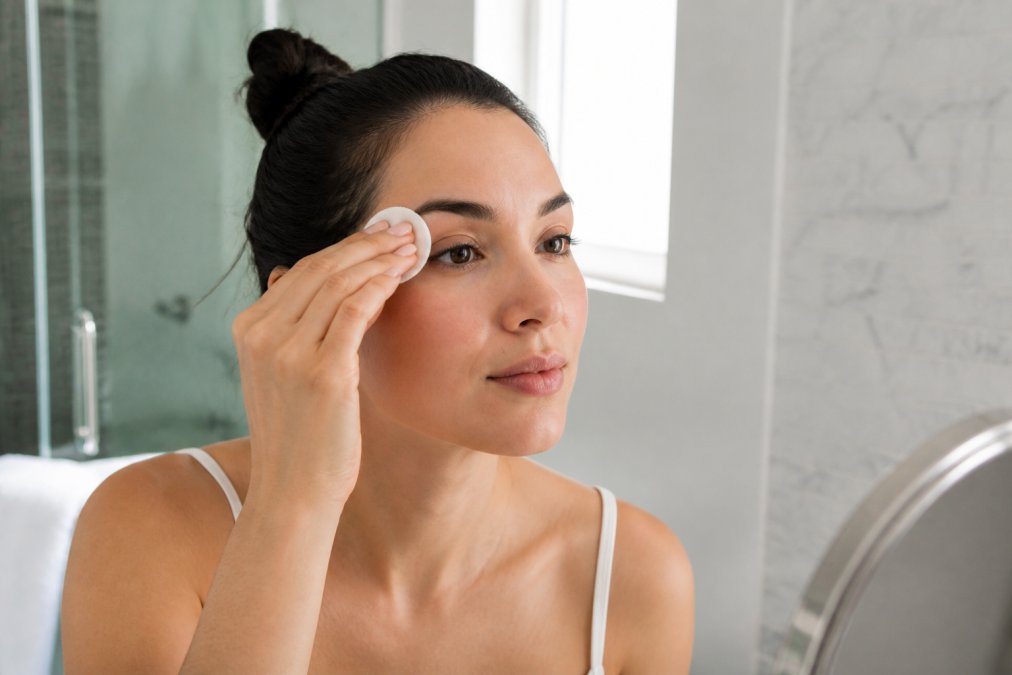
Pre-wax preparation is the single biggest lever you control. Clean, exfoliated, well-moisturized skin releases hair more easily. That means less tugging, less breakage, and less pain.
Pre-Wax Preparation Tips That Actually Help
- Stop retinol and exfoliating acids three to four days before your appointment
- Gently exfoliate the brow area two days prior, never the day of
- Keep skin moisturized in the days leading up, but skip lotion right before
- Avoid caffeine on appointment day, since it can heighten sensitivity
- Arrive with clean skin and no makeup on the brow area
- Book your appointment after a full night's sleep when possible
What to Avoid Before Your Appointment
Skip the sunbathing and the sauna for 24 hours before. Both leave skin fragile and more reactive to wax. Also avoid alcohol the night before; it thins the blood and can make skin more sensitive. If you're on prescription acne medication, tell your esthetician first. Some ingredients make skin lift during waxing, which is far worse than ordinary pain.
Numbing Agents and Pain Management Techniques
A topical anesthetic can take the edge off, but it's not a magic fix. Numbing creams dull surface nerves. They don't reach the follicle, which is where the pull actually happens. So expect reduced discomfort, not zero pain.
Topical Anesthetic Options and Ingredient Warnings
Over-the-counter numbing creams often contain lidocaine or benzocaine. Apply a thin layer 20 to 30 minutes before your appointment, then wipe it off completely. Wax won't grip numb, slick skin.
Psychological Grounding Techniques for Nervous Clients
Tension makes waxing hurt more. When you brace and hold your breath, your muscles tighten and the pull feels sharper. Grounding techniques flip that response.
- Breathe in for four counts, out for six, starting before the first strip
- Press your tongue to the roof of your mouth to relax your jaw
- Squeeze a stress ball in the opposite hand
- Count backward from twenty silently during each pull
- Focus on a fixed point on the ceiling instead of the wax
Eyebrow Waxing Aftercare Tips for Less Irritation
Aftercare determines how long the sting lasts. Redness and swelling peak in the first hour and fade over the next few. What you do in that window matters.
Soothing Agents and Skin Barrier Health
Your skin barrier is the outer layer that holds moisture in and irritants out. Waxing temporarily disrupts it. The wax adheres to the top layer of skin and removes some of it along with the hair, which thins the barrier and leaves nerve endings more exposed. Gentle aftercare helps it recover faster.
The first hour:
- Apply a cool compress for five minutes to calm redness. Cold constricts blood vessels, which reduces swelling and numbs the surface.
- Keep the area clean and dry. Do not rub, scratch, or touch it with unwashed hands.
- Skip makeup on the brow area for at least 12 hours. Foundation and brow pencil can push bacteria into open follicles.
The first 48 hours:
- Use a fragrance-free soothing gel with aloe or colloidal oatmeal. Both are well-established for calming irritated skin.
- Skip harsh toners, scrubs, and active ingredients. That includes retinol, glycolic acid, salicylic acid, and vitamin C serums. These will sting and slow barrier recovery.
- Keep the area moisturized with a simple, bland cream. A basic ceramide or petrolatum-based moisturizer supports barrier repair without added irritants.
- Stay out of direct sun and skip saunas, steam rooms, and heavy workouts for a day. Heat and sweat reopen follicles and increase the chance of irritation or infection.
Ingredients to avoid for 48 hours:
- Retinoids and retinoid derivatives
- Alpha-hydroxy acids (glycolic, lactic) and beta-hydroxy acid (salicylic)
- Benzoyl peroxide and other acne treatments
- Alcohol-based toners and astringents
- Fragranced lotions and essential oils
Ingredients that help:
- Aloe vera
- Colloidal oatmeal
- Ceramides
- Panthenol (provitamin B5)
- Petrolatum or a simple occlusive
Normal Irritation vs. a Wax Burn
Most post-wax redness and tenderness is normal and fades within a few hours. A wax burn looks different and needs different handling.
Normal post-wax reaction:
- Pink or red skin that fades over a few hours
- Mild tenderness when touched
- Small red bumps around follicles (folliculitis) that clear in a day or two
Signs of a wax burn or more serious irritation:
- Blistering or weeping skin
- Sharp, persistent pain that does not fade
- Swelling that increases rather than decreases
- Pus, spreading redness, or warmth to the touch
- A rash that spreads beyond the brow area
Is Waxing or Threading Better for Sensitive Skin?
For very sensitive skin, threading is often the gentler option. It pulls hair without hot wax touching the skin, so there's no heat and no chemical reaction. Waxing, by contrast, can irritate reactive skin and occasionally cause a wax burn if the temperature is off.
| Method | Best For | Pain Style | Skin Contact |
|---|---|---|---|
| Hard wax | Sensitive skin, coarse hair | Quick pull, less tugging | Wax only |
| Soft wax | Fine hair, large areas | Faster but more tug | Wax plus strip |
| Threading | Very reactive skin | Repeated quick plucks | Thread only |
Professional Technique: Why It Matters for Pain Control
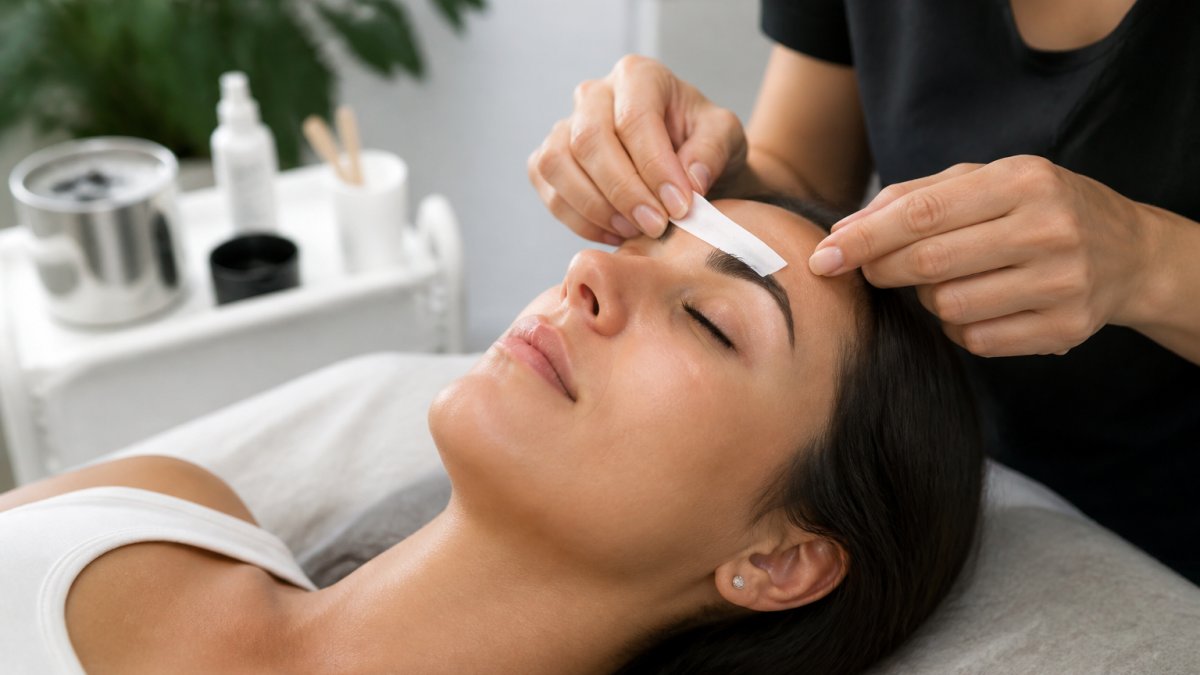
Technique is the difference between a two-second sting and a week of irritation. A skilled esthetician applies wax in the direction of hair growth, keeps the strip small, and pulls quickly and firmly against the direction of growth. A slow pull drags the hair instead of releasing it, which hurts more and can cause breakage.
The Role of Your Menstrual Cycle in Eyebrow Waxing Pain
Your cycle changes how much waxing hurts. In the days before your period, estrogen drops and your pain threshold falls with it. Many people find brow waxing noticeably more uncomfortable in that window. The same goes for the days right around ovulation for some.
Frequently Asked Questions
Does eyebrow waxing hurt a lot?
Most people describe eyebrow waxing pain as a quick stinging sensation that fades within seconds. The discomfort depends on your pain threshold, skin sensitivity, and the technique used. Hard wax, which grips hair without pulling skin, tends to cause less discomfort than soft wax. Taking an over-the-counter pain reliever about 30 minutes before your appointment may help. A skilled esthetician who works in small sections and uses a quick pull can also reduce how long the discomfort lasts.
How can I numb my eyebrows before waxing?
You can apply a topical anesthetic cream containing lidocaine or benzocaine to the brow area 20 to 30 minutes before your appointment. Look for products labeled for facial use and follow the instructions carefully. Avoid numbing creams with ingredients you have not used before, since they can cause allergic reactions. A cold compress held over the brows for a few minutes before waxing can also temporarily dull nerve sensitivity. Always patch-test any numbing product at least 24 hours ahead.
Is threading less painful than waxing for eyebrows?
Threading removes hair row by row, which many people find more precise but also slower and sometimes more uncomfortable than a quick wax pull. For sensitive skin, threading avoids hot wax and the risk of wax burns, but the repeated friction can cause redness and inflammation. Waxing with hard wax tends to be faster and may irritate the skin barrier less because it does not pull on the top layer of skin. The better choice depends on your skin sensitivity and pain threshold.
How long does the pain last after eyebrow waxing?
The sharp pain from the pull itself typically lasts only a few seconds per section. Any lingering soreness, redness, or swelling usually fades within 1 to 2 hours. Applying a cold compress and avoiding makeup, sun exposure, and harsh skincare products for 24 hours can speed up recovery. If redness or swelling persists beyond a day, contact a dermatologist or your esthetician, as this may indicate a reaction rather than normal post-wax sensitivity.
Pain during eyebrow waxing comes down to preparation, timing, and technique, and all three are easier with a professional who does this every day. At Liz Almanzar Esthetics, we tailor every waxing appointment to your skin, your sensitivity, and your schedule. Our services include precise waxing, rejuvenating facials, and lash extensions, all delivered in a calm, welcoming space. Get started with Liz Almanzar Esthetics and book a brow wax that respects your skin.