 how-to
How to Stop Waxing Irritation: 2026 Aftercare Guide
Table of Contents
- Why Waxing Irritation Happens (and What It Is Not)
- The First 24-48 Hours: Cooling Techniques That Calm Redness Fast
- How to Prepare for Bikini Wax to Reduce Irritation Before It Starts
- Soothing Ingredients That Help (and the Ones That Backfire)
- Your Post-Waxing Skincare Routine, Step by Step
- How to Prevent Ingrown Hairs After Waxing
- When to See a Dermatologist
- Frequently Asked Questions
Last Updated: September 22, 2026
Why Waxing Irritation Happens (and What It Is Not)
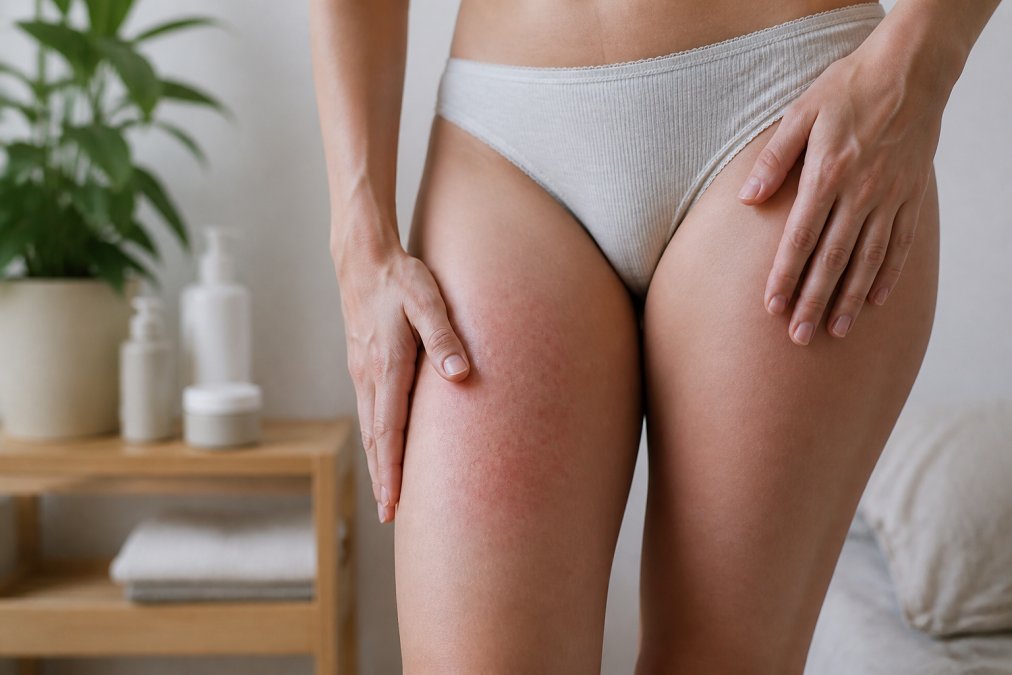
Waxing irritation is the redness, tenderness, and small bumps that appear right after hair removal, caused by wax pulling hair from the follicle root, controlled skin trauma.
Histamine Reaction vs. Allergic Reaction
A histamine reaction is a normal immune response to skin trauma, causing redness, warmth, and sometimes itching within minutes to hours. It usually settles within a day.
Watch for these signs:
- Redness confined to the waxed area: usually histamine
- Hives or welts spreading outward: possibly allergic
- Itching that fades within hours: usually histamine
- Swelling of the face, lips, or throat: seek care right away
The First 24-48 Hours: Cooling Techniques That Calm Redness Fast
The fastest way to calm waxing irritation is a cool compress applied within the first hour. Cool, not ice. Ice can burn already-stressed skin and slow healing.
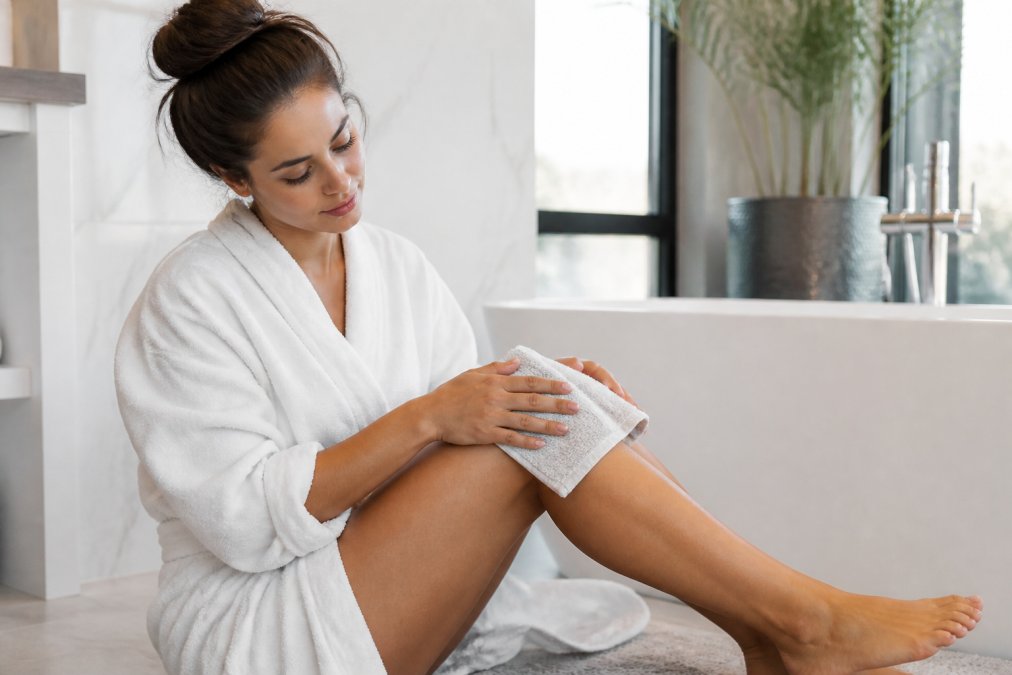
Here is what works in the first two days:
- Press a cool, damp cloth wrapped in a soft towel against the area for 10 minutes
- Repeat every few hours as needed
- Take a cool shower instead of a hot one
- Skip tight clothing that rubs the area
- Keep the skin clean with lukewarm water and a fragrance-free cleanser
Dos and Don'ts for the First Two Days
Do these things:
- Wear loose-fitting clothing
- Sleep on clean sheets
- Pat the skin dry, never rub
- Drink water and rest
Avoid these:
- Hot baths, saunas, and steam rooms
- Heavy workouts that cause friction and sweat
- Scrubbing or exfoliating the area
- Fragranced lotions, perfumes, or body sprays
- Sun exposure on the waxed area
How to Prepare for Bikini Wax to Reduce Irritation Before It Starts
The best way to stop waxing irritation is to prevent it, starting about a week before your appointment.
To prepare for a bikini wax, follow this timeline:
- Five to seven days before: Let hair grow to about a quarter inch. Wax cannot grip shorter hair.
- Two to three days before: Gently exfoliate the area to lift dead skin cells.
- 24 hours before: Stop shaving, trimming, or using retinol and acids on the area.
- Day of: Take a lukewarm shower, not a hot one. Skip lotions and oils.
- Day of: Wear loose cotton underwear and skip tight jeans.
Soothing Ingredients That Help (and the Ones That Backfire)
Aloe vera gel and witch hazel are the two safest soothing agents for fresh waxed skin, calming redness without clogging pores. But timing matters more than the ingredient list, and that is where most guides and at-home mistakes go wrong.
Ingredients That Help
- Aloe vera gel: Cools and hydrates. Choose a pure, fragrance-free version, many drugstore aloe gels add alcohol, fragrance, or green dye, all of which defeat the purpose.
- Witch hazel: Reduces inflammation and tightens pores. Alcohol-free only. The alcohol-based version sold as an astringent will sting and dry the area.
- Colloidal oatmeal: Good for itchy, reactive skin. Look for it in fragrance-free lotions or bath soaks.
- Fragrance-free moisturizer: Keeps the skin barrier intact. Ceramide-based formulas are a strong choice because they replace lipids the wax removed.
- Cool compress: Not an ingredient, but the single most effective anti-redness measure in the first hour.
Ingredients That Backfire
- Salicylic acid and glycolic acid: Great for ingrown hairs later, too harsh in the first 48 hours. See the timing warning below.
- Retinol and retinoids: Thin the skin and increase sensitivity. Stop use at least 24 hours before a wax and do not resume until the area is fully calm.
- Fragranced lotions, perfumes, and body sprays: Common trigger for contact reactions on compromised skin.
- Alcohol-based toners: Strip the skin barrier and slow healing.
- Essential oils (tea tree, lavender, peppermint): Often marketed as "natural soothing," but concentrated essential oils are a frequent cause of contact dermatitis. Skip them on fresh waxed skin.
- Antibiotic ointments (like Neosporin): A common instinct after any skin trauma, but many people are allergic to neomycin, one of the active ingredients. A plain fragrance-free moisturizer is safer unless a doctor directs otherwise.
A Note on Patch Testing
If you have never used a product on waxed skin, patch test it on your inner forearm 24 hours before applying it to the waxed area. This will not perfectly predict a reaction, but it catches obvious sensitivities. When in doubt, stick to aloe, witch hazel, and a fragrance-free moisturizer, the three products with the longest track record and fewest reported reactions.
Your Post-Waxing Skincare Routine, Step by Step
A simple post-waxing routine beats a complicated one, fewer products means fewer chances to irritate healing skin. Below is a day-by-day timeline with the why behind each step.
Day-by-Day Recovery Timeline
Hour 0-1: Do almost nothing. Apply a cool compress wrapped in a soft towel for 10 minutes. No products, no cleanser, no moisturizer, the skin is still reactive, and anything you add now is more likely to irritate than help.
What to Avoid in Lotions and Makeup
This is the gap most guides skip: immediately after waxing, follicle openings are more vulnerable to clogging. Ingredients fine on normal skin can trigger breakouts or folliculitis when they settle into open follicles.
- Heavy occlusives (petrolatum, mineral oil, thick body butters): They trap bacteria and sweat against the skin and can clog freshly opened follicles.
- Silicones (dimethicone, cyclopentasiloxane): Common in primers and foundations, they form a film that can trap debris in pores.
- Fragrance and essential oils: A leading cause of contact reactions on compromised skin.
- Comedogenic oils (coconut oil, cocoa butter): Popular as "natural" moisturizers, but they rank high on comedogenic scales and can worsen folliculitis.
Skin-Type Adjustments: Sensitive, Oily, and Dry
Sensitive skin needs the shortest ingredient list: cleanser, aloe, and a fragrance-free moisturizer. Skip witch hazel if it stings, and patch test anything new.
Long-Term Maintenance Between Sessions
Irritation is often a between-sessions problem, not a day-one problem. If you wax every four to six weeks, the weeks in between build or break your skin's tolerance.
A simple maintenance rhythm:
- Week 1 (post-wax): Gentle care only. No acids, no scrubs, no retinoids on the area.
- Week 2: Resume gentle exfoliation two to three times a week. Moisturize daily.
- Week 3: Continue exfoliation and moisturizing. This is when ingrown hairs are most likely to form, so stay consistent.
- Week 4: Stop exfoliating and stop retinoids 24-48 hours before your next appointment. Let hair grow to about a quarter inch.
How to Prevent Ingrown Hairs After Waxing
To prevent ingrown hairs after waxing, exfoliate gently starting on day four. They form when dead skin cells trap a new hair under the surface.
Your prevention plan:
- Exfoliate two to three times a week with a soft cloth or gentle scrub
- Moisturize daily to keep skin soft and flexible
- Avoid tight clothing that presses hair inward
- Do not pick or squeeze bumps
- Consider a product with salicylic acid once the skin has healed
The two-day rule matters more than any product. Most post-waxing problems come from doing too much too soon, not from doing too little.
When to See a Dermatologist
See a dermatologist if redness, swelling, or pain worsens after 48 hours instead of improving. Most waxing irritation fades within a day or two.
Book an appointment if you notice:
- Pus or yellow crusting around follicles
- A rash that spreads beyond the waxed area
- Fever or chills
- Severe pain or swelling
- Bumps that do not clear up after two weeks
Frequently Asked Questions
How long will waxing irritation last?
Most redness and tenderness settle within 24 to 48 hours after a wax. A histamine reaction, which causes itching and small bumps, usually fades in a few hours to a day. If irritation lasts longer than three days, gets worse, or turns into painful bumps, that is a sign to see a dermatologist rather than keep treating it at home.
Why am I itchy after a Brazilian wax?
Itching after a Brazilian wax is usually a histamine reaction. Hair removal traumatizes the follicle, and your skin releases histamine as part of the healing response. That causes the itch and the small red bumps. A cool compress and a fragrance-free moisturizer help calm it. Avoid scratching, which can break the skin barrier and let bacteria in.
What are the three S's after waxing?
The three S's are soothe, skip, and shield. Soothe the skin with a cool compress and a gentle, fragrance-free moisturizer. Skip heat, tight clothing, harsh exfoliants, and intense workouts for the first 24 to 48 hours. Shield the area by keeping it clean with lukewarm water and wearing loose-fitting clothing to reduce friction.
Can I use hydrocortisone cream after waxing?
Hydrocortisone cream can calm inflammation, but it should not be your first move, and it is not meant for long-term use on large areas. Try a cool compress and a fragrance-free moisturizer first. If redness and swelling do not improve, ask a dermatologist before applying a steroid cream, especially on the bikini area or face.
Waxing irritation is manageable when you treat your skin like it just went through something. Because it did.
If you want a waxing service that puts skin health first, Liz Almanzar Esthetics offers precise waxing, rejuvenating facials, and lash extensions in a calm, professional setting. Our team tailors every treatment to your skin type and walks you through aftercare before you leave. Get started with Liz Almanzar Esthetics and give your skin the care it deserves.