 ultimate-guide
Is Professional Waxing Worth It? A 2026 Guide
Table of Contents
- The Real Math: Professional Waxing vs. Shaving and At-Home Kits
- How to Prepare for a Bikini Wax: A Step-by-Step Checklist
- What Happens During a Professional Wax Appointment
- How to Prevent Ingrown Hairs After Waxing
- Waxing Aftercare Tips for Sensitive Skin
- When Professional Waxing Is Not Worth It: Skin Conditions and Contraindications
- Long-Term Results and Budget-Friendly Maintenance Schedules
- Frequently Asked Questions
Last Updated: September 22, 2026
The Real Math: Professional Waxing vs. Shaving and At-Home Kits
Professional waxing is a hair removal method in which a licensed esthetician applies warm wax and removes hair from the root, delivering smoother results that last weeks rather than days. Whether professional waxing is worth it depends less on the service itself than on how you value time, skin comfort, and long-term hair density. This guide from Liz Almanzar Esthetics breaks down the trade-offs.
The core difference is mechanical. Shaving cuts hair at the surface, leaving a blunt edge that regrows within a day or two as stubble. Waxing is an epilation method: it pulls the entire hair from the root, so regrowth must travel up from deeper in the follicle before it surfaces.
Time, Ingrown Hairs, and Razor Burn
Shaving takes minutes but demands constant repetition, a daily shaver spends hours per month on maintenance. Waxing trades one appointment every few weeks for those daily minutes back.
The skin consequences differ too. Razor burn comes from blade friction against the skin barrier. Waxing removes hair below the surface, which many people find reduces ingrown hairs over time, provided they follow proper post-wax care and exfoliation.
- Shaving: fast, cheap, daily upkeep, higher risk of razor burn and stubble
- At-home waxing kits: cheaper per use, but wax consistency and technique are hard to control
- Professional waxing: higher upfront effort, longer-lasting results, trained precision
Cost Per Smooth Week: The Only Number That Matters
Most comparisons stop at the sticker price of one appointment versus a pack of razors, ignoring how long each result lasts. The honest metric is cost per smooth week, total spend divided by the weeks you stay hair-free.
In practice, a cartridge razor system runs a few dollars per cartridge, and a frequent shaver may go through several a month, plus cream and aftershave.
| Method | Upfront Cost | Upkeep | Typical Smooth Duration | Skin Risk |
|---|---|---|---|---|
| Shaving | Lowest | Daily | 1-2 days | Razor burn, stubble |
| At-home wax | Low | Weekly to biweekly | 2-3 weeks | Patchy results, irritation |
| Professional waxing | Higher | Every 3-5 weeks | 3-5 weeks | Redness, ingrowns if untreated |
The Hybrid Model: How to Make Waxing Fit a Tight Budget
- Wax the areas that matter most, shave the rest. Many clients wax the bikini line, underarms, or face, where shaving causes the most irritation, and keep shaving legs, where regrowth is finer.
- Extend the interval strategically. If your regrowth is slow, stretch appointments to five or six weeks instead of three, and track your cycle rather than guessing.
- Combine areas in one visit. Booking multiple areas together often costs less than booking separately and saves travel time.
- Ask about package pricing. Many studios offer multi-session packages or loyalty pricing that lowers the per-appointment cost.
For current pricing, check with the provider directly. Rates vary by region, treatment area, and provider experience, and a reputable studio will quote you before you book.
How to Prepare for a Bikini Wax: A Step-by-Step Checklist
Knowing how to prepare for bikini wax appointments makes the difference between a tolerable session and a miserable one. Preparation starts about a week before, not the morning of.
- Let hair grow to roughly a quarter inch so the wax can grip it
- Exfoliate gently two to three days before, not the day of
- Avoid retinoids and acids on the area for several days prior
- Skip caffeine and alcohol a few hours before if you're sensitive to pain
- Take an over-the-counter pain reliever about 30 minutes ahead if approved by your doctor
- Wear loose, breathable clothing to the appointment
- Arrive clean and skip lotions or oils on the treatment area
What Happens During a Professional Wax Appointment
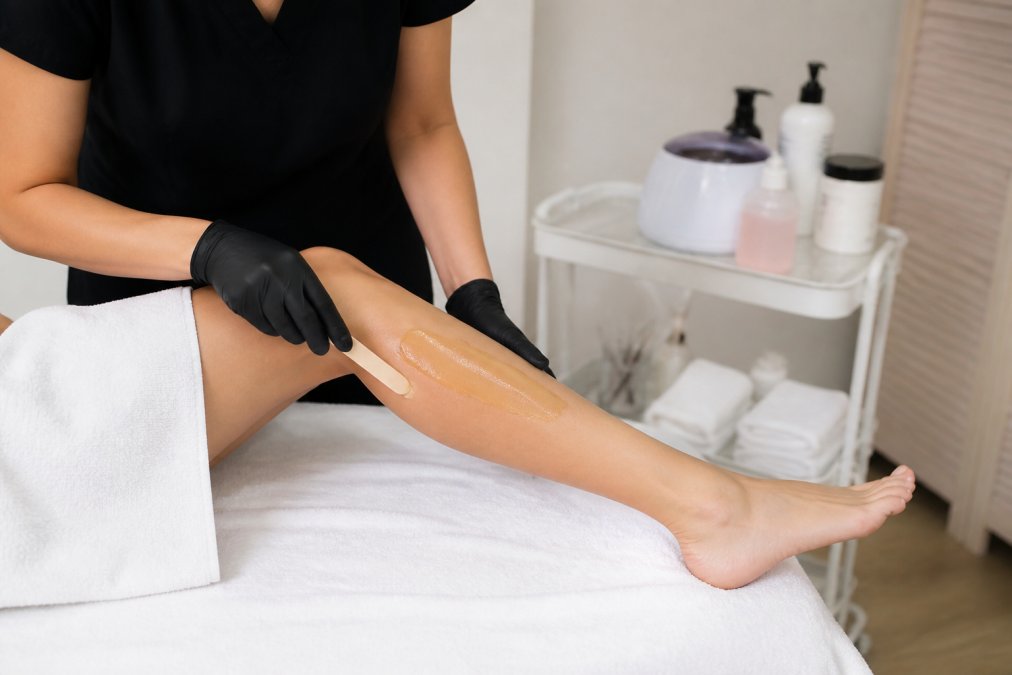
A professional wax appointment follows a predictable sequence: consultation, cleansing, wax application in small sections, removal against the direction of growth, and a finishing pass for stray hairs. A skilled esthetician adjusts technique to your hair type and skin sensitivity throughout.
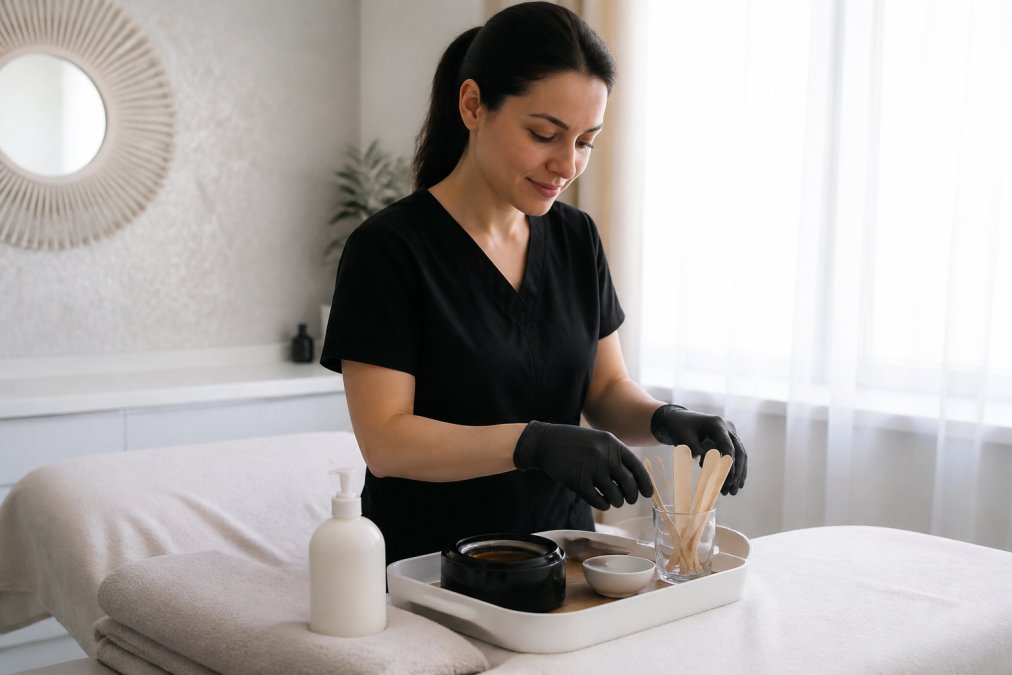
Hard Wax vs. Soft Wax: Which One Your Esthetician Chooses
Hard wax is stripless: it cools and shrinks around the hair, then peels off without a cloth strip. It's gentler on sensitive areas and better for coarse hair.
How to Prevent Ingrown Hairs After Waxing
Preventing ingrown hairs after waxing comes down to consistent exfoliation and moisture, starting about 48 hours after your appointment. Ingrowns form when a new hair curls back into the skin instead of growing out.
- Exfoliate two to three times a week with a gentle physical or chemical exfoliant
- Moisturize daily to keep the skin barrier supple
- Avoid tight clothing that traps sweat and friction
- Don't pick or squeeze bumps, which can cause infection
- Skip heavy workouts and saunas for 24 hours post-wax
Waxing Aftercare Tips for Sensitive Skin
Waxing aftercare tips for sensitive skin center on calming redness and irritation without disrupting recovery. The first 24 to 48 hours matter most.
When Professional Waxing Is Not Worth It: Skin Conditions and Contraindications
Professional waxing is not worth it, or not safe, for certain skin conditions, the part most generic guides stay vague about. A licensed esthetician can refuse service for good reason, and a good one will ask about your skin history before the first strip touches you.
Skin Conditions That Change the Calculus
Waxing is a mechanical exfoliation. It strips the top layer of dead skin along with the hair, which is why it leaves skin smooth, and why it can aggravate conditions where the skin barrier is already compromised.
- Eczema. Waxing over an active flare can trigger irritation, itching, and scratching that worsens it. Even in remission, friction and heat can provoke a reaction in people with atopic dermatitis. Patch-test 48 hours ahead and avoid waxing during flares.
- Keratosis pilaris. These rough bumps from keratin plugging the follicles can temporarily smooth with waxing, but may also become inflamed or cause post-inflammatory hyperpigmentation, especially on darker skin tones. Gentle chemical exfoliation (lactic or salicylic acid) is often better long-term for KP-prone areas.
- Psoriasis. Waxing over psoriatic plaques can cause the Koebner phenomenon, where trauma triggers new lesions. Avoid active plaques and get dermatologist clearance before treating nearby skin.
- Rosacea. Facial waxing can trigger flushing and irritation. Hard wax at a lower temperature and a patch test are essential.
- Active cold sores, open wounds, sunburn, and recent chemical peels or laser treatments. These are absolute contraindications on the affected area; waxing compromised skin risks infection and scarring.
Medications That Make Waxing Risky
Some prescription medications thin the skin or increase photosensitivity, making waxing more dangerous. The best known is isotretinoin (prescribed for severe acne), which dramatically reduces skin thickness and healing capacity; most dermatologists advise waiting several months after a course before waxing. Others to discuss with your provider include topical retinoids, high-dose oral corticosteroids, photosensitizing antibiotics, and some blood thinners.
The Sensory and Psychological Trade-Off
Most guides frame the decision as purely mechanical, wax versus razor, cost versus convenience. But the experience itself is why many people either love professional waxing or never book a second appointment.
Long-Term Results and Budget-Friendly Maintenance Schedules
Long-term waxing results come from consistency. Regular appointments over months can lead to finer, sparser regrowth because repeated root removal disrupts the growth cycle, particularly during the anagen phase when hair is actively growing.
- Track your regrowth so you learn your personal cycle
- Book your next appointment before you leave
- Combine areas in one visit to reduce travel and time
- Choose a provider whose hygiene standards and technique you trust
Frequently Asked Questions
How long does professional waxing last compared to shaving?
Professional waxing removes hair from the root, so results typically last two to four weeks. Shaving only cuts hair at the surface, which is why stubble returns within a day or two. Because waxing pulls hair from the follicle during the anagen phase, regrowth comes in finer and slower over time. Many people find they need fewer appointments the longer they stick with a consistent waxing schedule.
How do I prepare for a bikini wax to ensure the best results?
Let hair grow to about a quarter inch, roughly the length of a grain of rice, so the wax can grip it properly. Gently exfoliate the area a day or two before your appointment to lift dead skin cells. Avoid applying lotions or oils on the day of your wax, and skip caffeine and alcohol beforehand since they can increase skin sensitivity. If you take certain medications or have skin conditions, check with your provider first.
What are the three S's after waxing?
The three S's are soothe, skip, and shield. Soothe the area with a fragrance-free moisturizer or a product containing soothing agents like aloe or chamomile. Skip hot baths, saunas, tight clothing, and intense workouts for 24 to 48 hours. Shield your skin from sun exposure and avoid touching the area to lower the risk of redness and irritation. Following these steps supports your skin barrier and helps prevent ingrown hairs.
Is it normal to have sensitive skin after a professional wax?
Yes, some redness and irritation for a few hours after waxing is normal, especially in areas with coarse hair or sensitive skin. The hair follicle is temporarily inflamed from root removal. Cool compresses and a gentle, fragrance-free lotion can help calm the area. If redness, swelling, or discomfort lasts more than a day or two, contact your esthetician or a healthcare provider, since that may signal a reaction that needs attention.