 how-to
Why Lash Extensions Damage Natural Lashes
Table of Contents
- How Lash Extensions Work and Why Damage Occurs
- Signs of Lash Extension Damage You Should Know
- How to Keep Natural Lashes Healthy With Extensions
- How Long Do Lash Extensions Last and When to Take Breaks
- Post-Removal Rehabilitation for Damaged Lashes
- Common Mistakes That Increase Lash Damage Risk
- Myths vs. Facts About Lash Extensions and Natural Lash Loss
- Frequently Asked Questions
Last Updated: September 25, 2026
How Lash Extensions Work and Why Damage Occurs
Lash extensions damage natural lashes through physical stress, chemical exposure, and improper application. Understanding this process protects your lashes while you enjoy extensions.
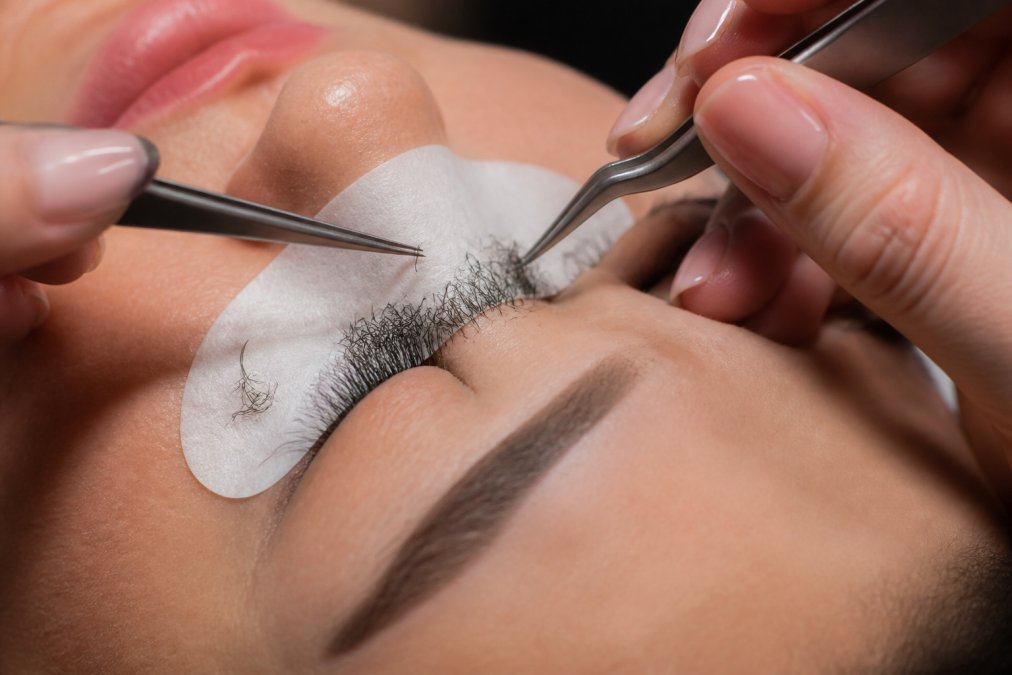
A bonding adhesive containing cyanoacrylate attaches extensions directly to natural lashes. The extension's weight pulls on your natural lash immediately, and natural lashes aren't designed to carry extra weight for weeks.
The adhesive bond and follicle stress
The adhesive bond creates immediate mechanical stress on the lash follicle, disrupting its natural growth cycle as it works harder to support both the lash and extension.
Cyanoacrylate can irritate sensitive skin and inflame the follicle, with some people experiencing allergic reactions to application fumes. This inflammation weakens follicles over time, increasing breakage and premature shedding.
Improper isolation, bonding multiple natural lashes together, distributes weight unevenly and causes traction alopecia, where constant pulling damages the hair root. Recovery takes months.
Extension weight and natural lash capacity
Thinner, shorter, or weaker lashes have less capacity for added weight. Classic lashes are lighter than volume lashes, but both can damage fragile natural lashes.
The anagen phase is when natural lashes are strongest and firmly anchored. Extensions applied during telogen (resting phase) fall out within days. Certified technicians check lash maturity before application.
Thicker natural lashes tolerate extensions better than fine lashes. If you have thin lashes, lighter extensions and shorter wear periods protect lash health.
Signs of Lash Extension Damage You Should Know
Recognizing damage early prevents permanent follicle harm. Some signs appear during wear, while others emerge after removal.
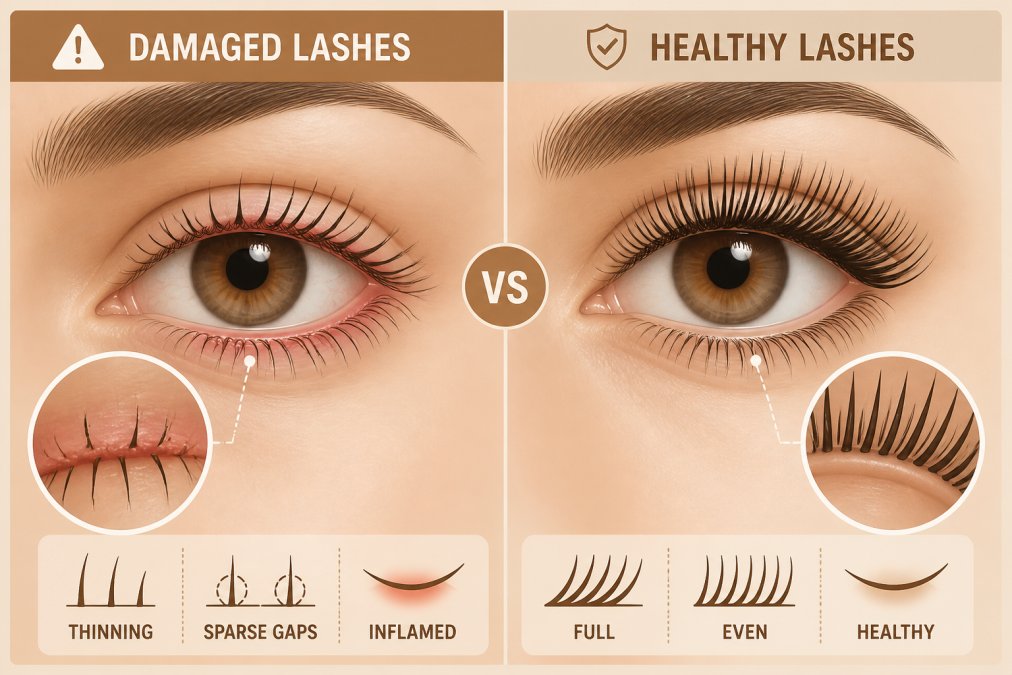
Visual indicators of lash breakage and follicle stress
Lash breakage appears as shorter, stubby lashes and gaps in your lash line. Thinning is gradual but visible over weeks, making the lash line look less full.
Follicle inflammation shows as redness, swelling, tenderness, or small bumps at the lash base. Itching or burning indicates the adhesive or application technique is causing a reaction.
Premature fallout occurs when extensions shed before the natural lash's growth cycle ends (normally 6-8 weeks). Fallout after 2-3 weeks indicates the weight is too heavy or application is damaging.
If natural lashes feel brittle or break easily, lash health has declined. Healthy lashes are flexible and resilient.
When to stop extensions and seek recovery
Stop wearing extensions immediately if you experience pain, severe itching, or visible inflammation. Continuing wear causes irreversible follicle damage. Take a break for at least 4-6 weeks to allow inflamed follicles to heal.
If more than 20-30% of natural lashes are missing or significantly shorter, pause extensions for 2-3 months to allow damaged lashes to complete their growth cycle and new healthy lashes to emerge.
Mild thinning and breakage recover within 8-12 weeks extension-free. Severe follicle damage may take 6 months or longer. Rare permanent scarring prevents regrowth.
How to Keep Natural Lashes Healthy With Extensions
Protecting your natural lashes starts with choosing the right technician and continues through daily aftercare. Small decisions compound into significant differences in lash health over time.
Choosing a certified lash technician and proper application
Certified technicians have formal training in lash anatomy, adhesive chemistry, and safe application. Ask about their training before booking.
Proper isolation is essential, each natural lash must be isolated before bonding to prevent multiple lashes from being glued together, which causes traction alopecia.
A good technician matches extension weight and diameter to your natural lash strength and recommends appropriate extensions. Heavy volume lashes on fine lashes cause damage.
We prioritize lash health through careful technician training and individualized application. We assess each client's natural lash capacity and recommend extensions that enhance without harming. Our professional environment ensures you receive the quality care your lashes deserve.
A full set typically takes 2-3 hours. Faster appointments suggest the technician is cutting corners on isolation and bonding.
Aftercare routine and lash maintenance
Wash lashes gently with lash-safe cleanser 2-3 times weekly using a soft brush. Never use oil-based makeup removers, which dissolve adhesive.
Avoid sleeping face-down. Pillow friction against extensions causes breakage and pulls on natural lashes. Sleep on your back or side, away from the pillow. Use a silk pillowcase to reduce friction.
Avoid water exposure for 24-48 hours after application. Avoid steam, saunas, and hot showers for the first week, as they cause uneven adhesive curing.
Regular fills every 2-3 weeks replace lost extensions as natural lashes shed. Skipping fills forces you to wear heavier extensions, damaging remaining lashes.
Use lash serum to nourish follicles between extension sets. Quality serums contain conditioning ingredients that strengthen natural lashes. Apply serum during extension-free breaks to accelerate recovery. This is especially important after noticing any thinning or breakage.
How Long Do Lash Extensions Last and When to Take Breaks
Understanding the natural lash growth cycle helps you plan extension wear and recovery strategically. This knowledge prevents overextending your lashes and allows proper healing time.
Natural lash growth cycle and extension lifespan
Natural lashes cycle through anagen (growth, 4-6 weeks), catagen (transition), and telogen (shedding). Extensions applied during anagen last until the natural lash sheds.
The telogen phase is when natural lashes shed. An extension attached to a lash in telogen will fall out with the natural lash within days or weeks. This is normal and not damage. However, if most of your extensions are shedding after 2-3 weeks, your natural lashes may not be healthy enough to support extensions.
Extensions last 4-6 weeks on average before needing fills, though shedding rates vary. Your technician can predict your pattern after your first set.
Fills replace shed lashes; a full set is needed every 8-12 weeks with regular fills.
Recommended break periods for lash health
A 4-6 week break every 6 months allows follicles to recover. Continuous wear beyond 12 months without breaks noticeably declines lash health.
Post-Removal Rehabilitation for Damaged Lashes
Removing extensions properly and following a recovery plan prevents additional damage and speeds healing.
Recovery timeline and what to expect
After removal, natural lashes may look shorter or thinner because extensions were covering them. This is normal.
Nourishing treatments and lash serum options
Lash serums with peptides, biotin, or plant-based agents strengthen natural lashes. Apply once or twice daily during recovery breaks.
Common Mistakes That Increase Lash Damage Risk
Understanding what damages lashes helps you avoid preventable harm.
Continuous wear without breaks ignores cumulative follicle stress. Even healthy lashes need recovery time.
Myths vs. Facts About Lash Extensions and Natural Lash Loss
Misconceptions about lash extensions lead people to make poor decisions about their lash health.
Myth: Lash extensions don't cause damage if applied correctly.
Myth: Lash extensions fall out because of poor quality.
Myth: All lash damage is permanent.
Myth: Lash serums can't help damaged lashes recover.
Myth: Taking breaks means losing the lash extension look.
| Recovery Phase | Timeline | What Happens | Care Focus |
|---|---|---|---|
| Immediate | Days 1-3 | Redness fades, follicles adjust | Gentle care, avoid makeup |
| Early Recovery | Weeks 1-4 | Follicles begin healing, minimal growth | Lash hygiene, lash serum |
| Active Growth | Weeks 4-8 | New lashes emerge, visible filling-in | Nourishing treatments, sleep quality |
| Full Recovery | Weeks 8-12 | 60-80% density restored, lashes strengthen | Continue serum, assess readiness |
| Complete Healing | Months 3-6 | Original thickness and strength return | Normal maintenance |
Frequently Asked Questions
Will my natural lashes grow back after lash extensions?
Yes, natural lashes can regrow after extensions are removed, but recovery takes time. The natural lash growth cycle typically lasts 6-8 weeks. If lashes were damaged by improper application or excessive weight, regrowth may take 2-3 months or longer. Follicle damage from traction alopecia can delay recovery. During this period, avoid extensions and focus on nourishing treatments to support healthy regrowth.
How can I tell if my lash technician is using safe application techniques?
A certified lash technician will isolate each natural lash before applying extensions, use the correct adhesive bond strength, and select extensions matching your natural lash diameter and weight capacity. Safe application takes 2-3 hours and avoids applying multiple extensions to a single lash. Ask about their training, certifications, and how long they've been practicing. Poor techniques, like bonding extensions directly to skin or using extensions too heavy for your lashes, cause premature fallout and follicle stress.
How long do lash extensions last before natural lash damage becomes a concern?
Lash extensions typically last 4-6 weeks as natural lashes shed through their growth cycle. Continuous wear beyond 8-12 weeks without breaks increases damage risk, as repeated adhesive bonding and extension weight stress the follicle. Most professionals recommend taking a 2-4 week break every 3-6 months to allow your natural lashes to recover. This break reduces traction alopecia risk and gives follicles time to regenerate before reapplication.
What should I do if my natural lashes feel damaged after extensions?
Stop wearing extensions immediately and allow your lashes to rest for at least 4-6 weeks. Avoid rubbing or pulling at lashes, and skip mascara during recovery. Use a gentle lash serum or nourishing treatment to support regrowth. If you notice significant breakage, thinning, or follicle inflammation, consult a dermatologist or eye care professional to rule out infection or chemical sensitivity. Once lashes fully regrow, work with a certified technician who uses proper isolation and lighter extension weights.