 Comparison
Hair Removal Without Waxing: Your Complete Guide
Table of Contents
- Why People Seek Alternatives to Traditional Waxing for Hair Removal
- Sugaring vs Waxing: How They Compare
- Hair Removal Methods for Sensitive Skin
- Laser Hair Removal vs Waxing: Long-Term Results
- Threading vs Waxing for Precision
- At-Home Hair Removal Without Waxing
- Preparing Your Skin After Hair Removal
- Frequently Asked Questions
Last Updated: October 10, 2026
Why People Seek Alternatives to Traditional Waxing for Hair Removal
When it comes to removing unwanted hair, waxing has long been the go-to choice for many people. But it's not without drawbacks. Traditional waxing can cause irritation, ingrown hairs, and discomfort, especially for those with sensitive skin. That's why more people in Groton and across Connecticut are exploring hair removal without waxing that better suits their needs and skin types.
The reality is straightforward: one hair removal method doesn't work for everyone. Some people experience painful reactions to wax. Others find the results don't last long enough to justify the cost and time commitment. A few simply prefer a gentler approach. At Liz Almanzar Esthetics, we understand these concerns.
Whether you have sensitive skin, want longer-lasting results, or simply prefer a different experience, understanding your options matters. The good news is that several effective alternatives to traditional waxing exist today, each with distinct advantages for different skin types and preferences.
Sugaring vs Waxing: How They Compare
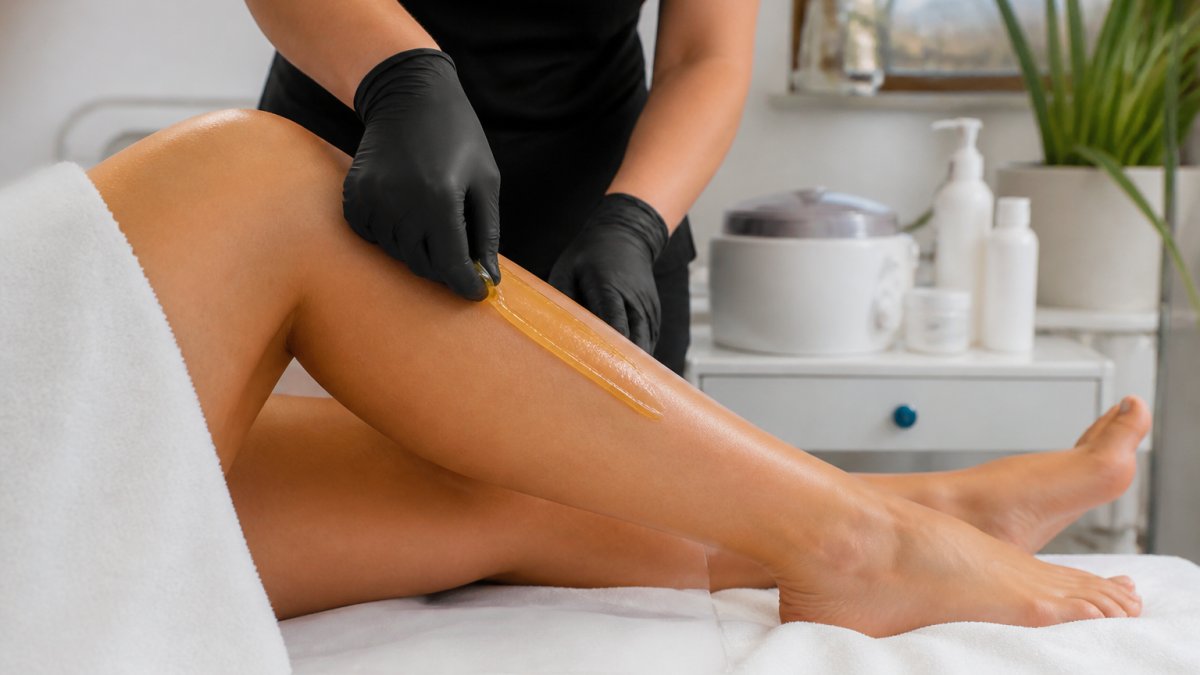
Sugaring is often described as the gentler cousin of waxing, and for good reason. This ancient hair removal method uses a sticky paste made from sugar, water, and lemon juice to remove hair from the root. The key difference between sugaring and waxing lies in how the paste adheres to hair and skin.
Unlike wax, which bonds to both hair and dead skin cells, the sugar paste primarily grabs the hair itself. This means less irritation and fewer ingrown hairs for many people. The paste is also water-soluble, making cleanup easier and reducing the risk of residue left on skin.
Sugaring typically lasts 3-6 weeks, similar to waxing. However, many clients report that hair grows back softer and finer over time with regular sugaring sessions. The process feels gentler during application, though the removal sensation is comparable to waxing. For those seeking alternatives to traditional waxing for hair removal in the Groton area, sugaring offers a natural, less irritating option that delivers reliable results.
| Method | Duration | Pain Level | Best For | Skin Irritation Risk |
|---|---|---|---|---|
| Sugaring | 3-6 weeks | Moderate | Sensitive skin | Lower |
| Traditional Waxing | 3-6 weeks | Moderate to High | General use | Higher |
| Laser Hair Removal | Months to years | Low | Long-term results | Minimal |
| Threading | 2-4 weeks | Low | Facial hair | Minimal |
Hair Removal Methods for Sensitive Skin
If you have reactive, easily irritated skin, choosing the right hair removal method becomes critical. Sensitive skin requires an approach that minimizes inflammation and chemical exposure. Threading and sugaring are two of the gentlest alternatives to traditional waxing for hair removal available today.
Threading works by twisting fine cotton thread to catch and pull out individual hairs. It removes hair at the root without any heat, chemicals, or contact with large areas of skin. This makes it ideal for facial hair removal on sensitive skin. The precision of threading also means you can target specific areas without affecting surrounding skin.
For body hair on sensitive skin, consider laser hair removal or at-home methods using gentle products. If you're in Groton and dealing with sensitivity concerns, a consultation can help determine which method suits your skin best. Some people also use exfoliating products like our Exfoliating Luffa Bar before and after hair removal to reduce irritation and prepare skin properly.
Laser Hair Removal vs Waxing: Long-Term Results
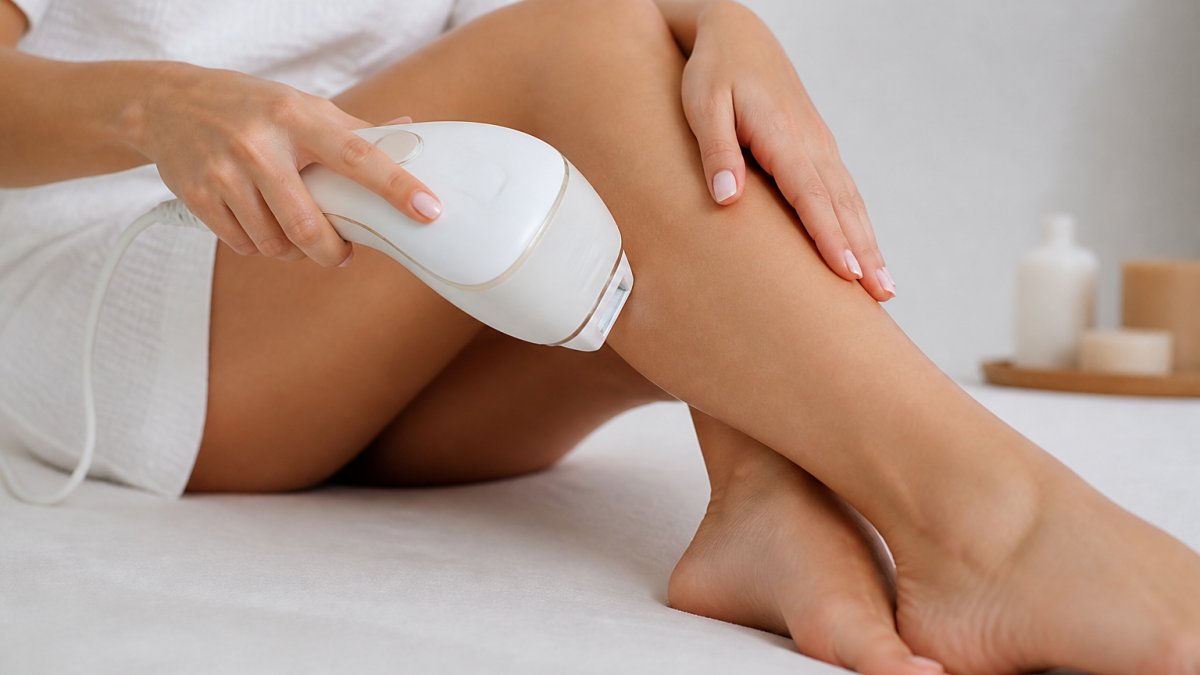
Laser hair removal represents a fundamentally different approach compared to waxing. While waxing removes hair temporarily by pulling it from the root, laser hair removal targets the hair follicle itself to reduce or prevent regrowth over time.
The comparison between laser hair removal and waxing comes down to longevity and convenience. Waxing requires repeat appointments every 3-6 weeks indefinitely. Laser treatments typically require 6-8 sessions spaced 4-6 weeks apart, then occasional maintenance sessions yearly. After completing a full laser series, many people enjoy months or years of significantly reduced hair growth.
Cost differs substantially between the two methods. Initial laser hair removal requires a larger upfront investment, but the long-term savings often justify it for those seeking permanent or near-permanent solutions. Waxing costs less per visit but adds up over years of regular appointments.
Threading vs Waxing for Precision
Threading excels where precision matters most: facial hair removal. This ancient technique, popular in many cultures, offers unmatched control for shaping eyebrows, removing upper lip hair, and addressing fine facial hair.
The advantage of threading versus waxing becomes clear when precision is the goal. Threading removes individual hairs one at a time, allowing the practitioner to shape and define with surgical accuracy. Waxing covers larger areas at once, which works well for legs or underarms but can remove more hair than intended from delicate facial areas.
Threading also avoids the heat and chemicals of waxing, making it gentler on facial skin. The results last 2-4 weeks, and many people find the experience less uncomfortable than waxing.
At-Home Hair Removal Without Waxing
Not everyone wants to visit a salon for hair removal. Several effective at-home alternatives to traditional waxing for hair removal exist, ranging from simple to more advanced options.
Depilatory creams dissolve hair at the skin surface, offering painless removal that lasts 3-7 days. They work quickly and require no special equipment, though some people find the chemical smell strong. Electric razors and epilators offer another option, epilators pull hair from the root like waxing but with less mess and no heating required.
For those interested in natural exfoliation before or after at-home hair removal, products like our Peppermint Coffee Scrub help prepare skin and reduce irritation. The scrub's gentle exfoliating action removes dead skin cells that can trap regrowth hairs, leading to fewer ingrown hairs and smoother results.
Shaving remains the most accessible at-home method, though results last only 1-3 days. For longer-lasting at-home results without waxing, epilators and depilatory creams offer middle-ground options between daily shaving and professional treatments.
Preparing Your Skin After Hair Removal
What you do after hair removal matters as much as the method itself. Proper aftercare prevents irritation, ingrown hairs, and extends the results of whatever hair removal method you choose.
After any hair removal treatment, avoid hot water, tight clothing, and intense exercise for 24 hours. These activities increase blood flow and can trigger irritation or ingrown hairs. Instead, wear loose, breathable clothing and take cool or lukewarm showers.
Exfoliation becomes important 2-3 days after hair removal to prevent ingrown hairs. Use a gentle exfoliating product like our Charcoal Soap to remove dead skin cells without over-irritating freshly treated skin. This step significantly reduces the chance of hairs becoming trapped beneath the skin surface.
Moisturizing is equally critical. Hair removal strips away oils and can leave skin temporarily compromised. Apply a fragrance-free moisturizer within an hour of treatment. Avoid products with alcohol or strong actives for the first few days.
Frequently Asked Questions
Is sugaring less painful than waxing?
Waxing causes discomfort, though individual pain tolerance varies. The comfort depends more on your pain threshold, skin sensitivity, and the technician's skill than on the method itself.
What hair removal methods work best for sensitive skin?
For sensitive skin, consider options that avoid harsh chemicals or heat. Avoid traditional waxing if you have reactive skin.
How long do results last with hair removal alternatives?
Results vary by method. Waxing lasts 3-6 weeks. At-home methods like depilatory creams last 3-7 days. Professional treatments generally outlast at-home options.
Can I remove hair at home without waxing or shaving?
Yes. Depilatory creams dissolve hair chemically and last 3-7 days. Exfoliating products like the Peppermint Coffee Scrub help manage regrowth and keep skin smooth between professional treatments.
Finding the right hair removal method depends on your skin type, budget, and lifestyle. If you have sensitive skin or want professional guidance selecting the best approach for your needs, Liz Almanzar Esthetics in Groton offers expert consultations and precise hair removal services tailored to your skin. Book a service today to discover which method works best for you and experience the difference that professional care and personalized attention make.