 How-to
How to Tell If Microneedling Is Safe for Sensitive Skin
Last Updated: November 24, 2026
Quick Summary
Microneedling can be a reasonable option for some sensitive skin types, but it is not right for everyone. A systematic review describes microneedling safety as relatively safe, while advising caution for active infection, darker skin types, and metal allergies. Microneedling safe use depends on a consultation with a qualified provider.
- Microneedling creates tiny channels in the skin, which can cause redness and irritation.
- Reactive skin may react more strongly than other skin types.
- Active infection, darker skin types, and metal allergies call for caution.
- Pause strong retinoids and exfoliating acids one to two weeks before treatment.
- Watch for swelling, warmth, pus, spreading redness, blisters, or fever after treatment.
Table of Contents
- Is Microneedling Safe for Sensitive Skin?
- Who Is a Suitable Candidate for Microneedling?
- Microneedling for Rosacea: What to Know Before Booking
- What Microneedling Feels Like and Expected Redness Duration
- Preparing Your Skin and Aftercare for Sensitive Skin
- Facials for Sensitive Skin: Safer Options to Consider
- Booking a Sensitive-Skin Consultation in Groton
- Frequently Asked Questions
Is Microneedling Safe for Sensitive Skin?
Microneedling can be a reasonable option for some sensitive skin types, but it is not right for everyone. A systematic review of microneedling safety describes the therapy as relatively safe, while advising caution for people with active infection, darker skin types, or metal allergies (Safety Profile for Microneedling: A Systematic Review, PubMed). Sensitive skin needs extra thought before any treatment.
Here is what matters most for sensitive skin:
- Microneedling creates tiny channels in the skin, which can cause redness and irritation.
- Reactive skin may react more strongly than other skin types.
- A consultation with a qualified provider helps you decide if microneedling fits your skin.
Microneedling carries risks, so share your full health and skin history before booking.
Who Is a Suitable Candidate for Microneedling?
A suitable candidate usually has skin that is stable, not actively infected, and not in the middle of a flare. Your provider will look at your skin tone, your current products, your health history, and any recent treatments before recommending microneedling. For sensitive skin, the screening is more detailed than a simple yes-or-no, because the same treatment that calms one person's skin can aggravate another's.
Good candidates often:
- Have skin that is calm and not breaking out right now
- Are not using strong retinoids or exfoliating acids at the time of treatment
- Understand that results and recovery vary from person to person
- Can follow a structured pre- and post-treatment routine
Microneedling is not appropriate for everyone. has authorized specific microneedling devices for use on specific areas of the body, and its consumer guidance recommends talking with a provider about candidacy, benefits, and risks (FDA microneedling devices and consumer guidance).
Condition-Specific Screening for Sensitive Skin
A clear screening guide helps you ask better questions at your consultation. The notes below describe how common sensitive-skin conditions affect candidacy; they are not a diagnosis, and individualized clinical assessment by your provider always comes first.
- Rosacea: Microneedling may be considered when rosacea is calm, but active flares, persistent redness, or visible blood vessels need a dermatologist's input first. Some providers postpone treatment during a flare and use gentler settings when the skin is stable.
- Eczema (atopic dermatitis): Avoid treatment over active, broken, or weeping patches. Well-controlled eczema on intact skin may be treated cautiously, but a compromised barrier raises the risk of irritation and infection.
- Active acne: Inflamed papules, pustules, and cysts are usually a reason to wait. Treating over active lesions can spread inflammation and bacteria. Mild, non-inflamed comedones are handled differently from an active breakout.
- Impaired skin barrier: Signs include stinging, tightness, flaking, and reactivity to products that used to be fine. A provider will often pause actives and rebuild the barrier before considering microneedling.
- Recent sunburn or windburn: Freshly burned or peeled skin is not a candidate. Wait until the skin has fully recovered, and protect it from UV exposure in the meantime.
- History of post-inflammatory hyperpigmentation (PIH): Darker skin types and anyone prone to PIH need a careful conversation about risk. The systematic review cited above advises caution for darker skin types, and your provider may adjust depth, intensity, or spacing, or recommend a different treatment.
A common pattern is that sensitive-skin clients are screened in stages: first for active disease or infection, then for barrier health, then for pigment risk. If any stage raises a flag, the provider may suggest a test area, a postponement, or a gentler alternative rather than proceeding.
Watch out: assuming that calm-looking skin is automatically safe. Barrier damage and early rosacea flares can be subtle, so describe your full history, including reactions to past facials and products, rather than only what your skin looks like on the day of your visit.
Microneedling for Rosacea: What to Know Before Booking
Rosacea is a common skin condition that causes redness, flushing, and visible blood vessels. Because microneedling creates micro-injuries in the skin, rosacea-prone skin may react with added redness or irritation. Talk with your provider and, if needed, your dermatologist before booking.
Ask your provider these questions:
- Is my rosacea active or currently flaring?
- Which settings are used for sensitive or reactive skin?
- What should I avoid before and after the session?
If your skin is sensitive, a gentle cleanser is a good place to start.
What Microneedling Feels Like and Expected Redness Duration
Most people describe microneedling as a scratching or prickling sensation. Many providers apply a topical numbing cream first to reduce discomfort.
Redness is the most common short-term effect. It is typically mild and fades within a few days, though sensitive skin may stay pink for longer. Watch for signs that need medical attention:
- Swelling, warmth, or pus at the treatment site (the FDA)
- Redness that spreads or worsens after the first few days
- Blisters, severe pain, or fever
Contact your provider or a medical professional right away if you notice any of these.
Preparing Your Skin and Aftercare for Sensitive Skin
Preparation and aftercare make a real difference for sensitive skin. Follow your provider's instructions first; the timeline below is a general framework, and your provider may adjust it based on your skin, your products, and the treatment plan.
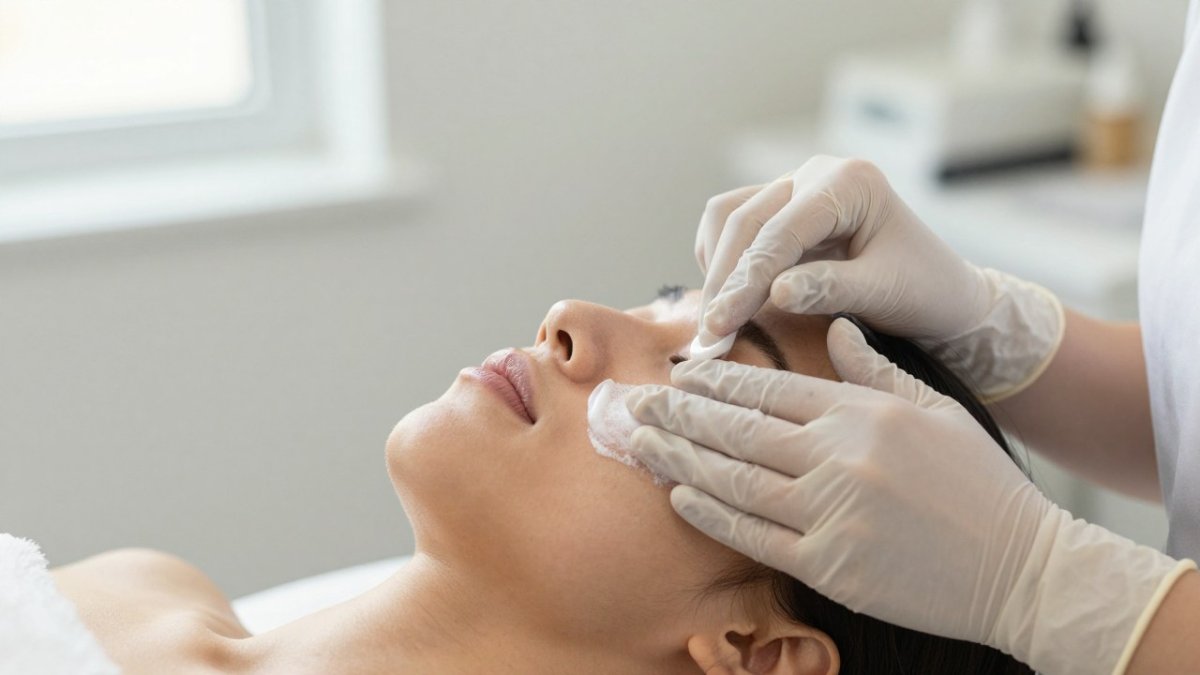
Before Treatment: A Practical Preparation Timeline
- 1 to 2 weeks before: Pause strong retinoids, exfoliating acids (such as glycolic, salicylic, and lactic acid), and any product that has stung or irritated your skin. Focus on a gentle cleanser, a barrier-supporting moisturizer, and daily sunscreen.
- 3 to 5 days before: Avoid new products, harsh scrubs, waxing, and other aggressive treatments on the area. Skip alcohol-heavy toners and anything with fragrance if your skin is reactive.
- 24 to 48 hours before: Keep the routine simple. Avoid prolonged sun exposure and do not pick at or exfoliate the skin.
- Day of treatment: Arrive with clean skin unless your provider instructs otherwise, and tell them about any new irritation, cold sore, or breakout.
After Treatment: A Day-by-Day Recovery Outline
- Day 1: Expect redness and mild tenderness, similar to a sunburn. Use only what your provider approves, typically a gentle cleanser and a calming moisturizer. Avoid makeup if your provider advises it, and skip actives, exfoliants, and hot showers or saunas.
- Days 2 to 3: Redness usually fades, though sensitive skin may stay pink longer. Keep cleansing gentle, moisturize, and apply sunscreen daily. Do not resume retinoids or acids yet.
- Days 4 to 7: If the skin feels calm and your provider agrees, you may gradually reintroduce gentle products. Strong actives are usually resumed only after the skin has fully settled, often one to two weeks out, and one at a time.
- Week 2 and beyond: Protect the barrier with consistent sunscreen and moisturizer, and space treatments according to your provider's plan. Sensitive skin often does better with longer intervals between sessions.
A simple aftercare routine often includes:
- A gentle, fragrance-free cleanser
- A calming moisturizer for post-treatment comfort
- Daily sun protection, since freshly treated skin is more sensitive to UV light
- Avoiding harsh exfoliants until your provider says it is safe
For daily hydration, the SKIN HYDRATION CREAM contains hyaluronic acid to help skin retain moisture. Always patch test new products first.
Warning Signs and When to Seek Medical Care
Expected short-term redness and tenderness are different from possible complications. Contact your provider or a medical professional promptly if you notice:
- Swelling, warmth, or pus at the treatment site
- Redness that spreads or worsens after the first few days
- Blisters, severe pain, or fever
- Worsening rosacea, persistent flushing, or irritation that does not settle
Watch out: resuming retinoids or exfoliating acids too soon. Sensitive skin can look calm while the barrier is still recovering, and restarting actives early is a common cause of a setback. When in doubt, wait and check with your provider.
The timeline below summarises the preparation and recovery steps for sensitive skin, so you can follow them in order.
| Stage | What to do | Timing |
|---|---|---|
| Before treatment | Pause strong retinoids and exfoliating acids | 1 to 2 weeks before |
| Before treatment | Avoid new products, harsh scrubs and waxing | 3 to 5 days before |
| Before treatment | Keep the routine simple and avoid sun exposure | 24 to 48 hours before |
| Day 1 | Use only a gentle cleanser and calming moisturizer | Day 1 |
| Days 2 to 3 | Keep cleansing gentle, moisturize and apply sunscreen | Days 2 to 3 |
| Days 4 to 7 | Gradually reintroduce gentle products if skin feels calm | Days 4 to 7 |
| Week 2 and beyond | Protect the barrier and space treatments out | Week 2 onward |
Facials for Sensitive Skin: Safer Options to Consider
If microneedling is not right for you, gentler options may suit sensitive skin. A calm, custom facial can support hydration and comfort without the skin penetration of microneedling.
Consider these options with your provider:
- Hydrating facials focused on moisture
- Soothing facials that avoid strong acids
- Home care with a gentle, non-irritating routine
Booking a Sensitive-Skin Consultation in Groton
Ready to find out if microneedling fits your skin? Book a consultation at Liz Almanzar Esthetics in Groton, CT to talk through your skin history and goals.
Frequently Asked Questions
Is microneedling safe for sensitive skin?
Microneedling is not risk-free. People with active infection, darker skin types, or metal allergies may need extra caution. Because sensitive skin can react more strongly to irritation, a consultation with a qualified professional is the best way to decide whether it suits your skin. A provider can assess your skin history and recommend whether to proceed, adjust the treatment, or choose a gentler option.
Can microneedling make sensitive skin worse?
It can, particularly if the skin is already irritated, inflamed, or reactive. Redness, irritation, and breakouts are possible after treatment. Telling your provider about any history of rosacea, eczema, or reactions to skincare products helps them decide on a safer approach. Avoid treatment if your skin is currently inflamed or broken, and follow your provider's aftercare instructions closely to reduce the chance of a flare.
How long does redness last after microneedling?
Redness after microneedling is common and usually temporary, and the duration varies from person to person. Sensitive skin may take longer to settle. Your provider can give you a more specific expectation based on your skin type and the treatment depth used. If redness persists, worsens, or is accompanied by pain, warmth, swelling, or pus, contact a medical professional promptly, as these can be signs of infection.
Is it okay to do microneedling if you have rosacea?
Rosacea makes skin more reactive, so microneedling needs careful screening. Because a provider must weigh the benefits against the risk of flare-ups, a consultation before booking is essential. Tell the provider about your rosacea, any medications you take, and any flares you have experienced. A qualified professional can then decide whether treatment is appropriate or whether a gentler option is a better fit for your skin.