 How-to
How to Prep Skin for Wedding Makeup: Timeline and Tips
Last Updated: November 18, 2026
Quick Summary
To learn how to prep skin for wedding makeup, start a gentle routine at least six months early with cleansing, hydration, and daily SPF. Stop exfoliants and new products in the final weeks, and keep skin calm and moisturized on the wedding morning.
- Start your routine at least six months before the wedding when possible.
- Introduce one new product at a time and wait two weeks between them.
- Stop all exfoliants, retinoids, and strong acids 72 hours before the wedding.
- Apply a light moisturizer about 2 hours before makeup and let it absorb 10 to 15 minutes.
- Send your makeup artist a list of every product you use on your face.
Table of Contents
- Why Wedding Skin Prep Starts Months Before the Big Day
- Wedding Skin Prep Timeline: From Six Months Out to Wedding Week
- How to Prep Skin for Wedding Makeup at Home
- Should You Book a Facial Before Your Wedding?
- Best Pre-Wedding Skin Care Products for Your Routine
- Adjusting Your Skin Prep for Sensitive, Acne-Prone, and Dry Skin
- Booking Your Pre-Wedding Skin Consultation in Groton, CT
- Frequently Asked Questions
Why Wedding Skin Prep Starts Months Before the Big Day
Learning how to prep skin for wedding makeup works best when you start early. A calm, steady routine gives your skin time to settle before the day your makeup has to look its best.
Skin renews itself on a cycle, so changes take weeks to show. That is why a small, consistent routine beats a last-minute rush. Start with gentle cleansing, daily hydration, and daily sunscreen.
- Start your routine at least six months before the wedding when possible
- Introduce one new product at a time and wait two weeks between them
- Keep a simple log of how your skin responds
Wedding Skin Prep Timeline: From Six Months Out to Wedding Week
A clear timeline keeps your skin prep organized. Use it as a guide, then adjust based on your skin type and how it responds.
Six months out: Build a foundation. Use a gentle cleanser, a daily moisturizer, and broad-spectrum SPF. Book any professional treatments you want early, since appointments can fill up during wedding season.
Three months out: Add targeted care. If you want to address dark spots or uneven tone, a vitamin C serum can fit into your morning routine. Introduce any chemical exfoliant slowly, and stop if you notice stinging or redness.
One month out: Reduce the number of new products. Stick with what your skin already tolerates. Schedule your final professional facial if you plan to have one.
Two weeks out: Avoid new active ingredients. Keep your routine simple and steady.
Final 72 Hours and Wedding Morning Schedule
The last few days matter most for how your makeup sits on your skin. The goal in the final 72 hours is generally to keep skin calm, hydrated, and predictable rather than to try to improve it.
72 hours out (three days before):
- Stop all exfoliants, retinoids, and strong acids. No scrubs, no peels, no at-home dermaplaning.
- Keep cleansing, moisturizing, and SPF exactly as your skin already knows them.
- Do not book a facial, wax, or brow tint inside this window. Mild redness from a facial can take a few days to settle, so it is wise to leave extra time before your wedding.
48 hours out:
- Avoid facial waxing and hair removal on the upper lip, brow, or chin if your skin is reactive. If you must, do it now, not later, so any redness has two full days to fade.
- Skip heavy occlusive balms on the face. They can trap oil and trigger a last-minute breakout.
- Wash your pillowcase and any makeup brushes you plan to use.
24 hours out:
- Use your usual gentle cleanser and moisturizer. Do not try a new mask, serum, or tool.
- Drink water normally, do not overhydrate in a panic, which can leave you up overnight.
- Lay out your skincare and makeup so the morning is not a search.
Wedding morning, hour by hour:
- 2.5 to 3 hours before makeup: Cleanse gently with lukewarm water and a mild cleanser. Pat dry, do not rub.
- Immediately after cleansing: Apply a hydrating serum to damp skin and let it absorb for 2 to 3 minutes.
- About 2 hours before makeup: Apply a light, non-greasy moisturizer. Give it 10 to 15 minutes to fully absorb before anything else goes on.
Watch out: Avoid applying a rich night cream on the morning of the wedding, as heavy products can make foundation slide or pill.
Coordinating Skin Prep With Your Makeup Artist
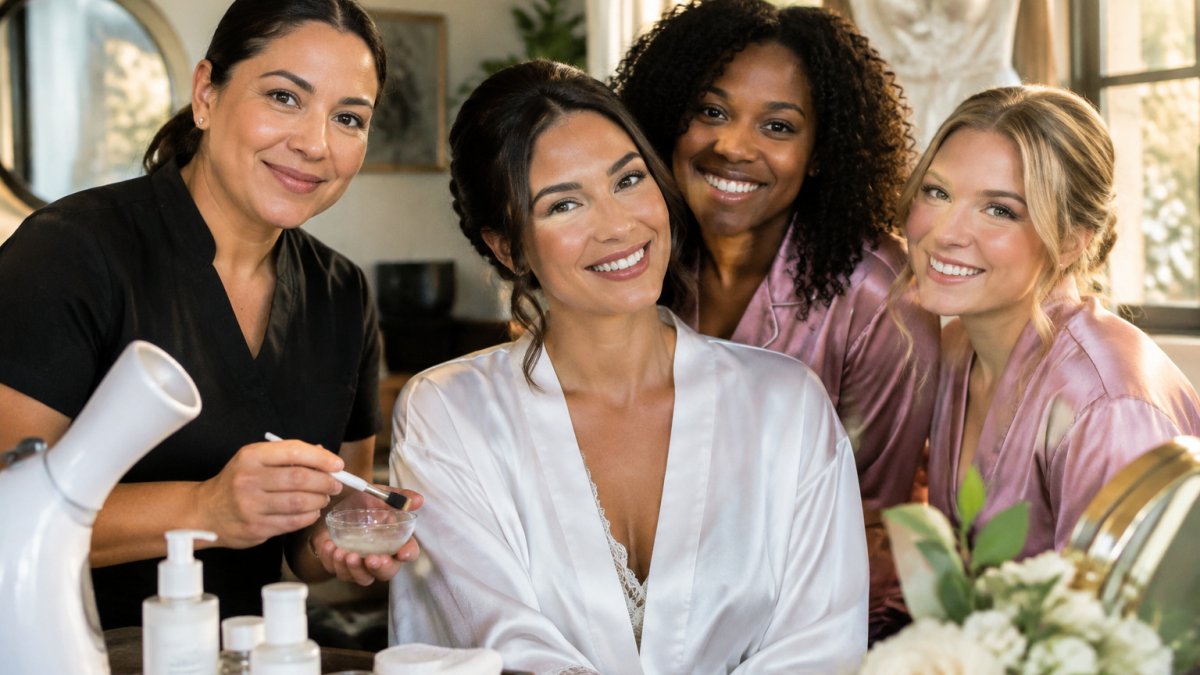
This is the step most brides skip, and it is where makeup longevity is won or lost. A week or two before the wedding, send your artist a short list of every product you use on your face, cleanser, serum, moisturizer, SPF, and any prescription creams. Ask three questions:
- Which moisturizer and SPF do you want me to use on the morning of the wedding?
- Do you want me to arrive with primer already on, or will you apply it?
- Are there any ingredients in my routine you want me to pause before the wedding?
Disclose sensitivities and any history of reactions to fragrance, essential oils, or acids. If you have acne-prone or reactive skin, ask whether the artist can patch-test a small area of foundation or primer on your jawline at your trial.
If your wedding is outdoors in Groton in summer, tell your artist you expect humidity and ask for a mattifying primer or a lighter moisturizer.
How to Prep Skin for Wedding Makeup at Home
Home prep is simple when you follow the same steps each day. Here is a routine that works for most skin types.
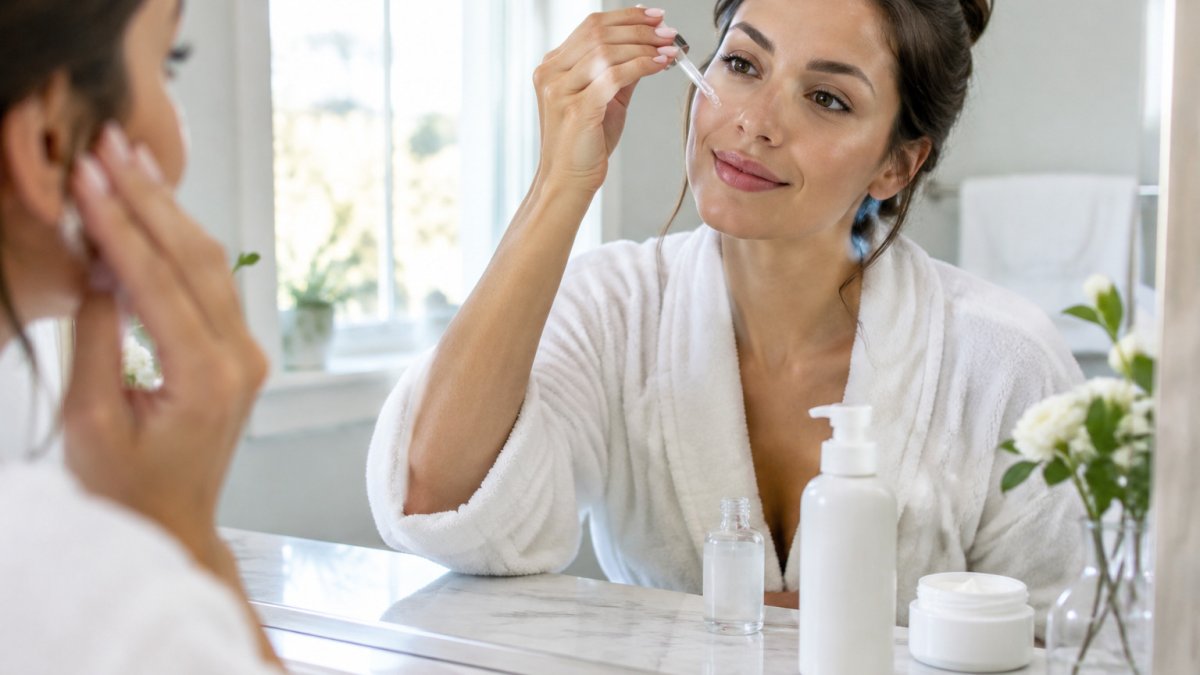
- Cleanse gently. Use a mild, non-stripping cleanser in the morning and at night.
- Hydrate. Apply a hydrating serum to damp skin. Hydrating serums containing hyaluronic acid are designed to help skin hold moisture.
- Moisturize. Seal in hydration with a moisturizer that suits your skin type.
- Protect. Use a broad-spectrum SPF every morning, even on cloudy days.
- Exfoliate with care. Once or twice a week at most, use a gentle exfoliant. Skip this step in the final week.
Watch out: Scrubbing hard before the wedding can cause redness and irritation that makeup will not hide well.
Makeup artists often ask clients to arrive with clean, moisturized skin. Following the steps above gives them a smooth canvas to work with.
Should You Book a Facial Before Your Wedding?
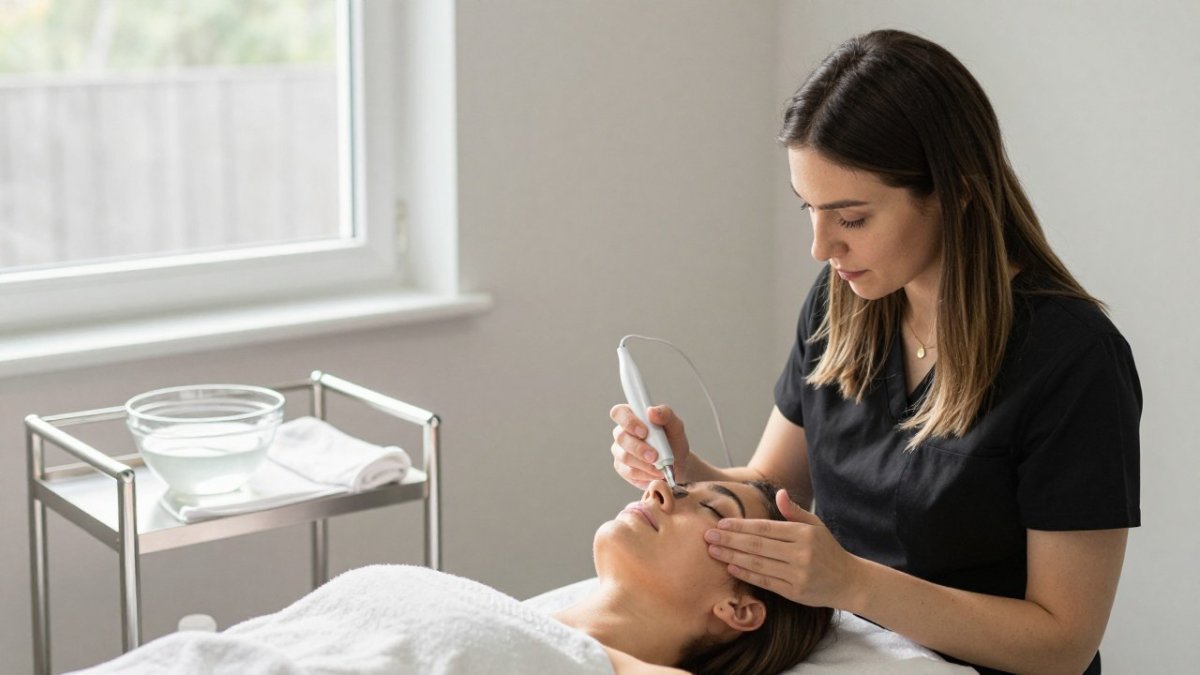
A professional facial can be a helpful part of your prep, especially if you want deep cleansing or guidance on your routine. Book it at least two to four weeks before the wedding so any mild redness has time to settle.
If you are unsure how to get the most from your appointment, read how to prepare for a facial appointment before you go. For acne-prone skin, a treatment may be worth considering, and this guide on whether professional acne facials are worth it explains what to expect.
Tell your esthetician about your wedding date, your makeup plans, and any skin concerns. This helps them choose a treatment that fits your timeline.
Best Pre-Wedding Skin Care Products for Your Routine
Choose products that are gentle, familiar, and easy to use every day. Avoid trying anything brand new during the final month.
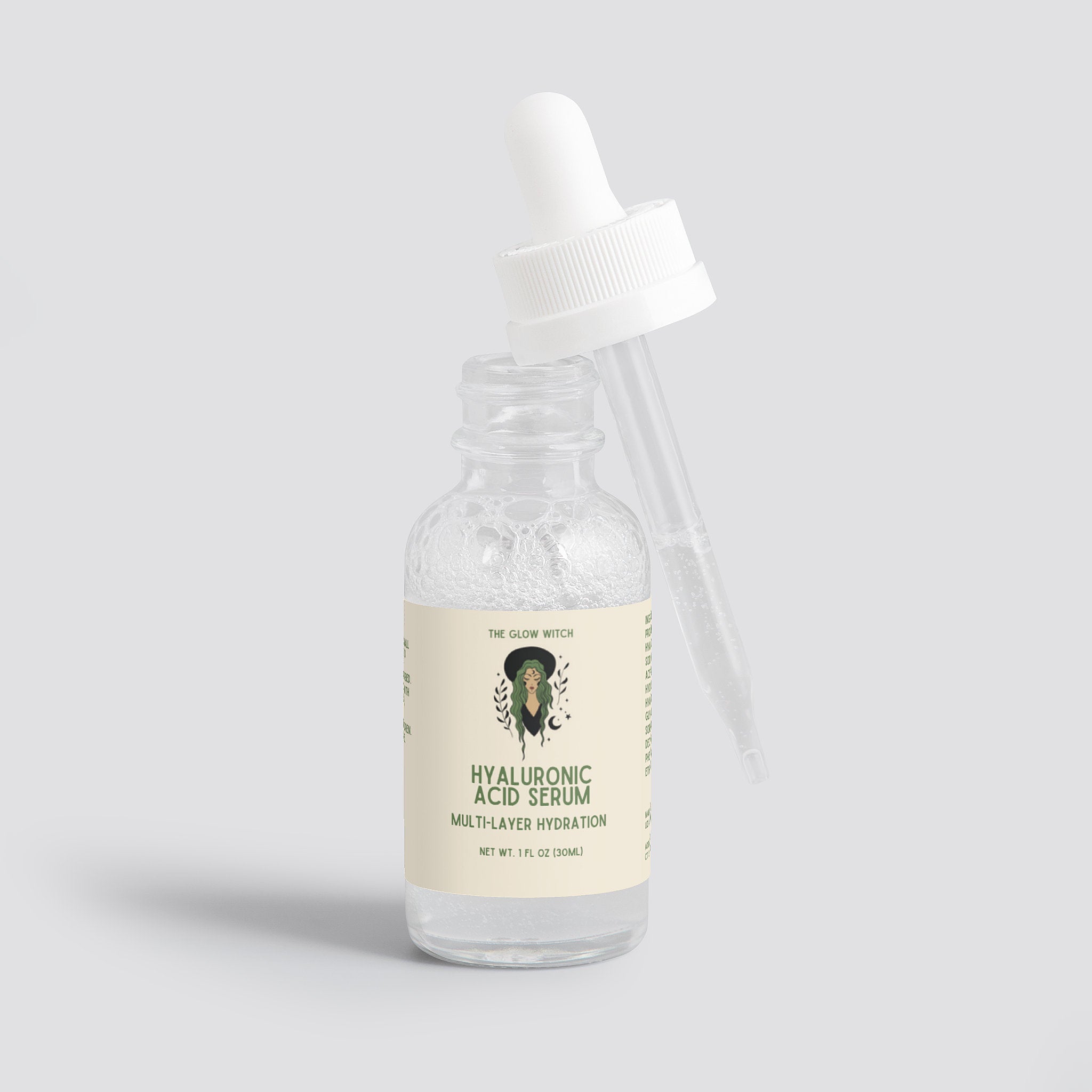
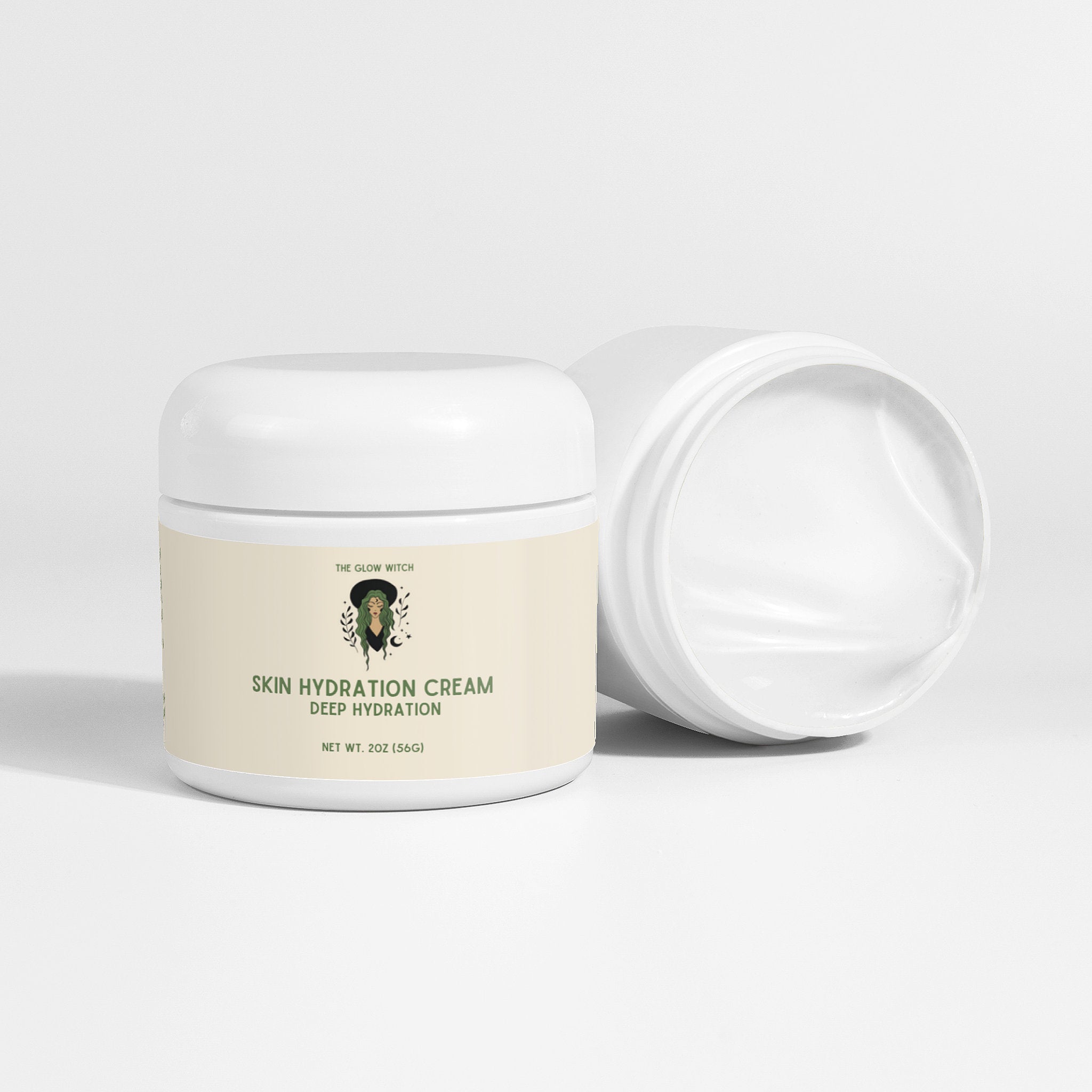
A hydrating serum can support your routine. The Hyaluronic Acid Serum is listed at $24.99 and is made with several types of hyaluronic acid. For dry skin, the Skin Hydration Cream is priced at $34.99 and lists hyaluronic acid along with avocado oil and vitamin E oil among its ingredients.
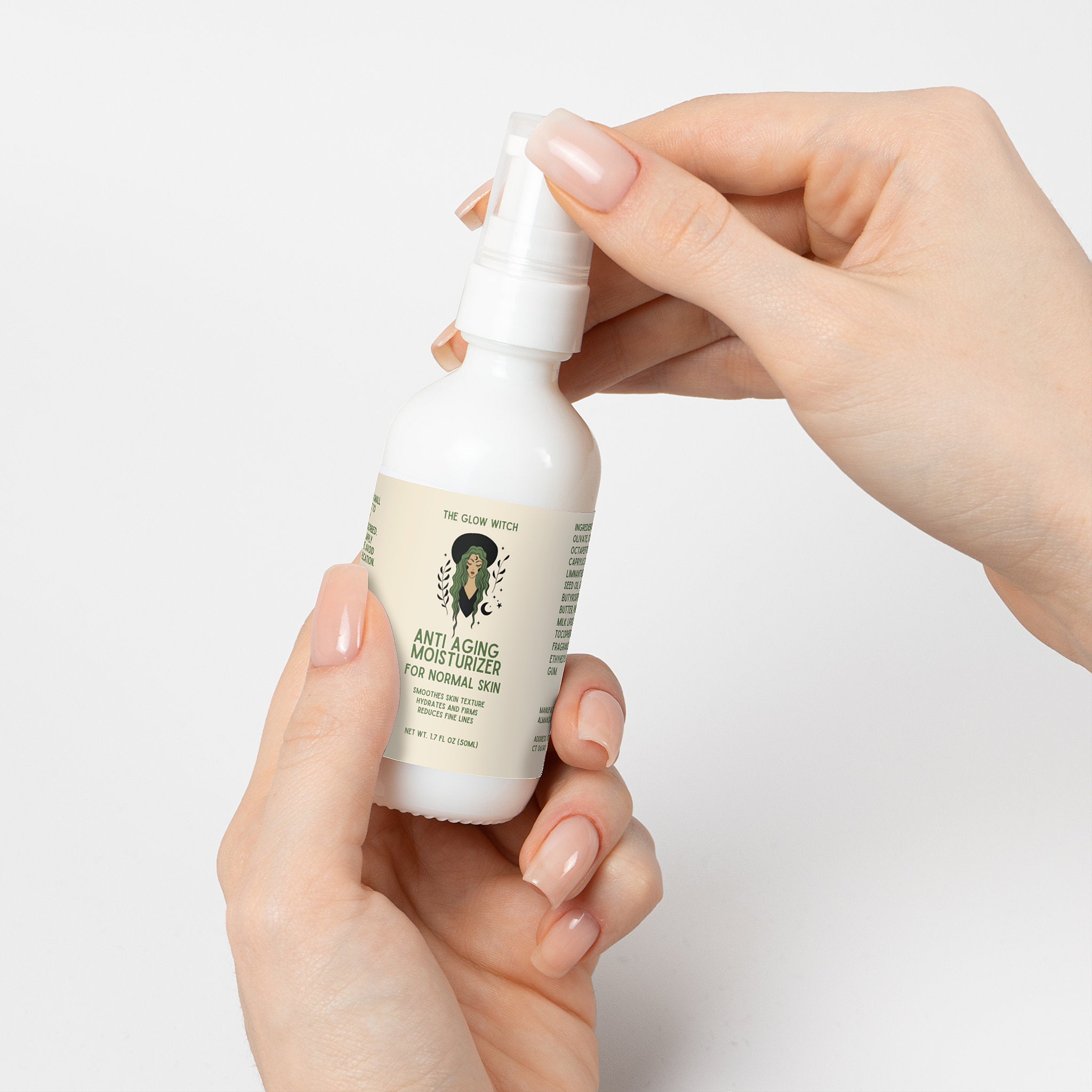
For a richer evening moisturizer, the Anti-Aging Moisturizer is priced at $39.99 and is made in the USA. Check the ingredient list for any product you plan to use, and do a patch test on your jawline before adding it to your routine.
| Step | Purpose | Best Timing |
|---|---|---|
| Gentle cleanser | Removes oil and makeup | Morning and night |
| Hydrating serum | Adds moisture | Morning and night |
| Moisturizer | Locks in hydration | Morning and night |
| SPF | Protects from sun | Every morning |
| Gentle exfoliant | Smooths texture | 1-2 times weekly, stop 1 week out |
Product prices in the article
Adjusting Your Skin Prep for Sensitive, Acne-Prone, and Dry Skin
Every skin type needs a slightly different approach. Adjust your routine based on how your skin behaves, and be more conservative than you think you need to be in the final month.
- Stick to fragrance-free, dye-free products. Fragrance is one of the most common triggers for contact reactions, and it is easy to overlook in a new serum or mask.
- Skip acids, retinoids, and vitamin C in the final two weeks unless your skin has already used them for months without issue.
- Patch test any new product on the inner forearm or jawline for three to five days before it goes on your full face. Apply a small amount, leave it on, and watch for redness, itching, burning, or swelling.
- If you react, stop the product and do not try to "push through." A reaction in the final week is very hard to hide under makeup.
Acne-prone skin:
- Keep cleansing gentle. Harsh scrubs and over-washing can trigger more oil production and more breakouts.
- Avoid heavy occlusive creams and thick balms in the final two weeks. Look for non-comedogenic moisturizers.
- Do not start a new prescription retinoid or acid in the month before the wedding. Purging and peeling can last weeks.
- If you have a spot, use a spot treatment you already tolerate rather than picking. Picking creates a scab that makeup cannot fully cover and can last longer than the wedding.
Dry and dehydrated skin:
- Layer hydration: apply a hydrating serum to damp skin, then seal with a moisturizer that suits your skin type.
- In the final week, add a gentle hydrating mask at night rather than an exfoliating one.
- In colder months, indoor heating can pull moisture from the air. If your wedding falls in winter, consider running a humidifier at night and adding an extra layer of moisture in the morning.
What to avoid in the final two weeks, for every skin type:
- New products of any kind, including "gentle" ones. Even a mild new cleanser can cause a reaction.
- Aggressive treatments: strong peels, microdermabrasion, dermaplaning, and at-home extraction tools.
- Picking, squeezing, or popping anything on your face.
- A last-minute facial. If you want a facial, book it at least two to four weeks out so any mild redness has time to settle.
Patch test any new product on a small area of skin for several days before the wedding. If you notice burning, itching, or swelling, stop using it and contact a professional.
Booking Your Pre-Wedding Skin Consultation in Groton, CT
A consultation gives you a clear plan before the wedding. If you have questions about your skin, you can start with what an esthetician does to understand how a professional can help.
Reach out early, since appointments can fill up during wedding season.
Healthy, prepared skin makes wedding makeup look its best. Start your routine early, keep it gentle, and book a consultation to make the plan your own.
Frequently Asked Questions
What is the best skin prep for wedding makeup?
The best skin prep is a consistent, gentle routine: cleanse twice daily, use a hydrating serum and a moisturizer suited to your skin type, and apply sunscreen every morning. Start several months before the wedding so your skin has time to settle. Avoid trying new active ingredients in the final weeks, since irritation can cause redness and uneven texture. A consultation with a licensed esthetician can help you choose products that fit your skin type and any sensitivities you have.
How far in advance should I start a wedding skincare routine?
Many brides begin a dedicated routine about six months before the wedding, which gives time to address breakouts, dryness, or pigmentation without rushing. Introduce new products one at a time and allow a few weeks to see how your skin responds. In the final month, shift toward simple, gentle products to protect your skin barrier. Patch testing any new product before the wedding helps you avoid surprises on the day.
Should I get a facial before my wedding?
Many people book a professional facial several weeks before the wedding, rather than the day before, so any temporary redness can settle. A facial can help with congestion and texture, but it should not be the only part of your plan. Tell your esthetician about any sensitivity, recent treatments, or medications you take. A consultation can help determine whether a facial fits your skin and your timeline.
What should I avoid doing to my skin right before my wedding?
Avoid new active ingredients, harsh scrubs, and strong exfoliants in the final week, because they can cause irritation or peeling. Skip new hair removal methods, such as a first-time waxing session, close to the date. Try to avoid late-night changes in diet or sleep, which can show in your skin. Keep your routine gentle and familiar, and tell your makeup artist about any areas that feel sensitive.