 How-to
How Often to Get Facials for Acne: A Practical Schedule
Last Updated: October 29, 2026
Quick Summary
For most clients with active acne, facials for acne every 2 to 4 weeks is a common starting point. Frequency then tapers to every 4 to 8 weeks once breakouts slow and skin settles.
- Weeks 1 to 8: a facial every 2 to 3 weeks while skin is actively breaking out.
- Weeks 8 to 16: a facial every 3 to 4 weeks as breakouts slow.
- After week 16: a facial every 4 to 8 weeks to maintain results.
- Fewer new breakouts and calmer skin are signs you can lengthen the time between visits.
- Avoid picking or squeezing blemishes, since that can cause scarring and spread bacteria.
Table of Contents
- How Often Should You Get Facials for Acne?
- Why Acne Facial Frequency Depends on Your Skin
- A Typical Schedule: Every 2 to 4 Weeks While Breakouts Are Active
- What Happens Between Visits: Facial Aftercare for Acne
- What Acne Facial Results Look Like Over Time
- Choosing an Esthetician for Acne Care
- Booking Your First Acne Facial in Groton
- Frequently Asked Questions
Most people who get facials for acne ask the same thing: how often should I book? The honest answer is that there is no single schedule that fits everyone. Industry guidance commonly points to visits every 2 to 4 weeks while breakouts are active, then spacing them out once skin settles. Below, we'll show you how to tell where you fall and what to do between appointments.
How Often Should You Get Facials for Acne?
For most clients with active acne, professional facials every 2 to 4 weeks is a common starting point.
Acne-focused plans often start more often and then taper. One sequence many estheticians describe looks like this:
- Weeks 1 to 8: a facial every 2 to 3 weeks while skin is actively breaking out
- Weeks 8 to 16: a facial every 3 to 4 weeks as breakouts slow
- After that: a facial every 4 to 8 weeks to maintain results
This is a general pattern, not a rule. Your skin will set the pace.
The article lays out a general pattern for how often to book acne facials as your skin changes over time. Between visits, some readers also use an at-home option, such as this microcurrent facial device for a more radiant complexion.
| Phase | Facial frequency | Typical timing |
|---|---|---|
| Actively breaking out | Every 2 to 3 weeks | Weeks 1 to 8 |
| Breakouts slowing | Every 3 to 4 weeks | Weeks 8 to 16 |
| Maintaining results | Every 4 to 8 weeks | After week 16 |
Why Acne Facial Frequency Depends on Your Skin
Facial frequency is not one fixed schedule.
Several factors shape your schedule:
- How active your breakouts are: Frequent new blemishes usually call for closer visits.
- Skin type: Oily or congested skin often responds to more regular treatment.
- Your current routine: Good home care can extend the time between visits.
- Skin sensitivity: Irritated or inflamed skin may need a slower pace.
Acne is not a one-time fix. Think of facials as one part of a longer plan.
A Typical Schedule: Every 2 to 4 Weeks While Breakouts Are Active
When breakouts are active, a visit every 2 to 4 weeks gives your esthetician regular chances to clear pores, adjust your plan, and catch new flare-ups early.
Expect a process, not a single result. Biweekly visits can work well for targeted acne care, while a monthly visit may be enough for many clients once things calm down.
Signs your skin is ready to space visits out
You may be able to lengthen the time between facials when you notice:
THE CLEAR SKIN BLUEPRINT VIP EXPERIENCE | E-BOOK + 3 FULL SIZE ACNE PRODUCTS →
- Fewer new breakouts over several weeks
- Fewer clogged pores between visits
- Less oil and shine through the day
- Calmer, less irritated skin
If you see these signs, talk with your esthetician about moving to a longer interval. Do not stop care on your own without a plan.
What Happens Between Visits: Facial Aftercare for Acne
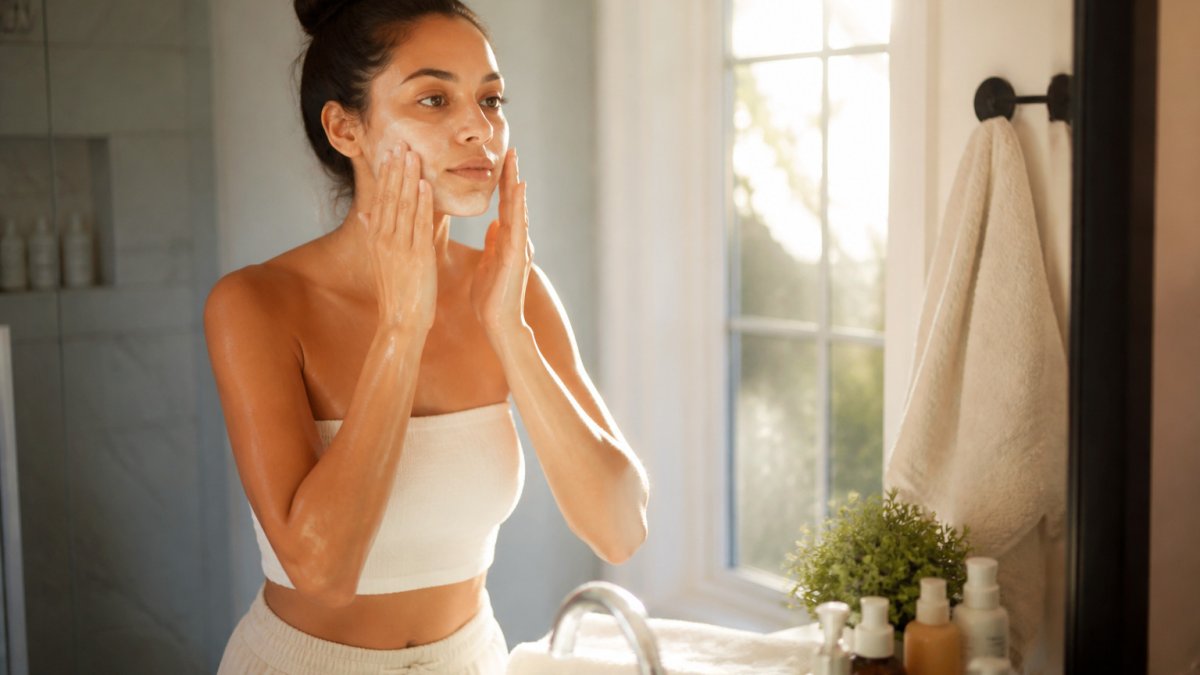
Home care matters as much as the facial itself. Keep your routine simple and steady. Use a gentle cleanser, a non-irritating moisturizer, and sunscreen every day. Avoid picking or squeezing blemishes, since that can cause scarring and spread bacteria (the American Academy of Dermatology).
Watch for these common mistakes:
- Adding several new active products at once
- Skipping moisturizer because your skin feels oily
- Changing your routine too often before results show
If you're looking for at-home support, the Clear Skin Blueprint is a self-guided program that covers acne basics, triggers, and building a steady routine.
What Acne Facial Results Look Like Over Time
Most clients see early changes within several weeks, but full improvement takes longer. Some redness or dryness can happen during treatment, so tell your esthetician about any irritation right away.
Results vary from person to person. Severe or cystic acne often needs a medical provider, and a facial cannot replace that care.
Choosing an Esthetician for Acne Care
Look for a provider who asks detailed questions about your skin history, current products, and goals before recommending a treatment plan. A good esthetician will explain what a facial can and cannot do, and will refer you to a dermatologist when acne is severe or not responding.
Ask about their approach to acne-prone skin, how they track progress, and how often they recommend visits. The Can Estheticians Help With Cystic Acne guide explains what a facial can and cannot treat. For a list of questions to ask when comparing providers, see How to Choose a Professional Facial Spa in Groton.
Booking Your First Acne Facial in Groton
Plan your first visit for a time when you can stick to a regular schedule. Bring a list of the products you already use, and note any irritation or triggers you have noticed. Avoid harsh exfoliants or new treatments in the days before your appointment unless your provider has told you otherwise.
Once you book, ask your esthetician to set up a schedule with you. For more practical preparation tips, read How to Prepare for a Facial Appointment. Our team at Liz Almanzar Esthetics is ready to help you build a plan that fits your skin.
Frequently Asked Questions
How often should you get a facial for acne?
A facial every 2 to 4 weeks is a common starting point while acne is active. Some estheticians recommend every 2 to 3 weeks for a short period when breakouts are more intense. Once the skin stabilizes, many clients move to a maintenance schedule of roughly every 4 to 8 weeks. Your esthetician can adjust the interval based on how your skin responds, and a dermatologist can advise on medical treatment for acne.
Can getting facials too often make acne worse?
Facials done too frequently can irritate the skin, especially if extractions or exfoliating treatments are repeated before the skin has recovered. Redness, dryness, and sensitivity are signs that the schedule may be too aggressive. A good esthetician will watch for these signs and lengthen the time between visits if needed. Consistent but measured treatments usually work better than frequent sessions that leave the skin reactive.
Should you get a facial when you have active acne?
Many estheticians will perform a gentle facial on active acne, but the approach should be adjusted to avoid irritating inflamed skin. Deep extractions and strong exfoliants may be postponed while breakouts are severely inflamed. Tell your esthetician about any active lesions, medications, or recent treatments before your appointment. For cystic or severe acne, a visit with a dermatologist is recommended.