 How-to
How Often Should You Get a Professional Facial?
Last Updated: October 22, 2026
Quick Summary
Most skin experts recommend getting a professional facial every four to six weeks for maintenance, though your ideal frequency depends on your skin type, goals, and how your skin responds between visits. Treat this schedule as a baseline, not a rule, and adjust it as your skin changes with the seasons, stress, and hormones.
- For acne-prone skin, most estheticians suggest every three to four weeks at the start, then spacing visits out as skin calms.
- Sensitive skin usually does best every six to eight weeks, sometimes more, focusing on gentle cleansing and light hydration.
- Start at every four to six weeks, track how your skin feels in week three and week five, then adjust the gap.
- Skip makeup for the rest of the day after a facial and avoid harsh scrubs, retinoids, and strong acids for a couple of days.
- In Connecticut, estheticians are licensed through the Connecticut Department of Public Health, so you can confirm credentials before booking.
Table of Contents
- How Often Should You Get a Professional Facial?
- Factors That Determine Your Ideal Facial Frequency
- How Often Should You Get a Facial for Acne?
- Facial Frequency for Sensitive Skin
- How Long Between Facials? Finding Your Rhythm
- Facial Aftercare Tips for Lasting Results
- When to Consult a Professional for Personalized Advice
- Conclusion
- Frequently Asked Questions
How Often Should You Get a Professional Facial?
Most skin experts land on one answer: every four to six weeks for maintenance. That's the honest starting point. But how often should you get a professional facial depends on your skin, your goals, and how it responds between visits.
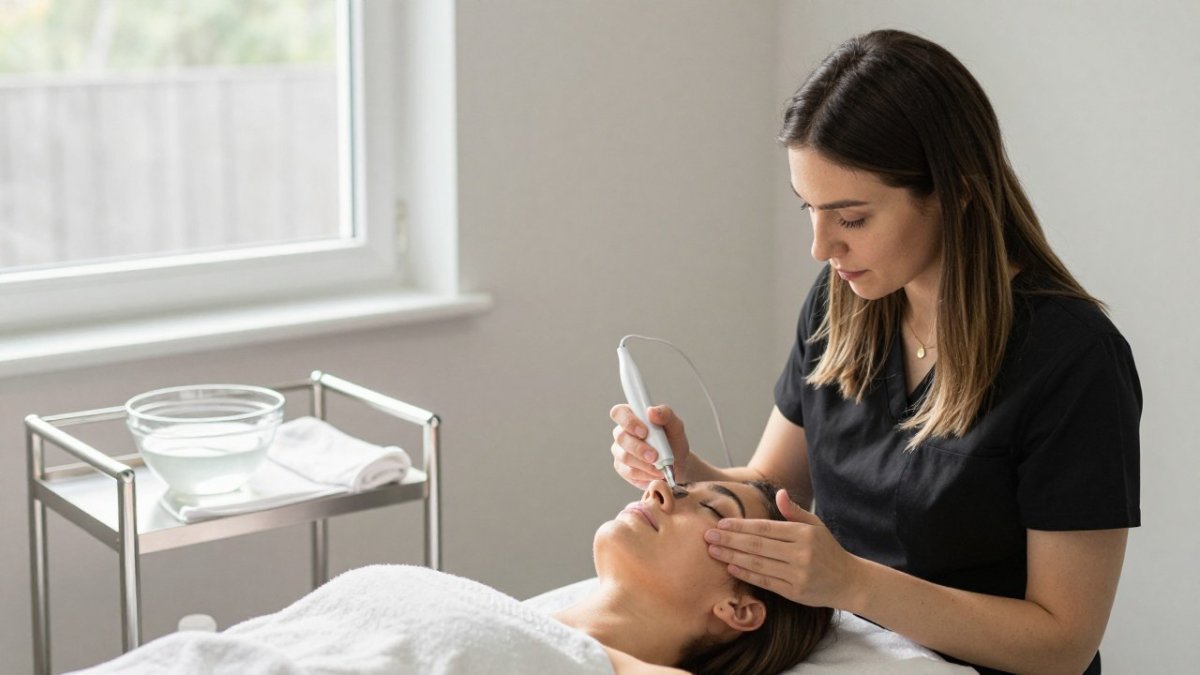
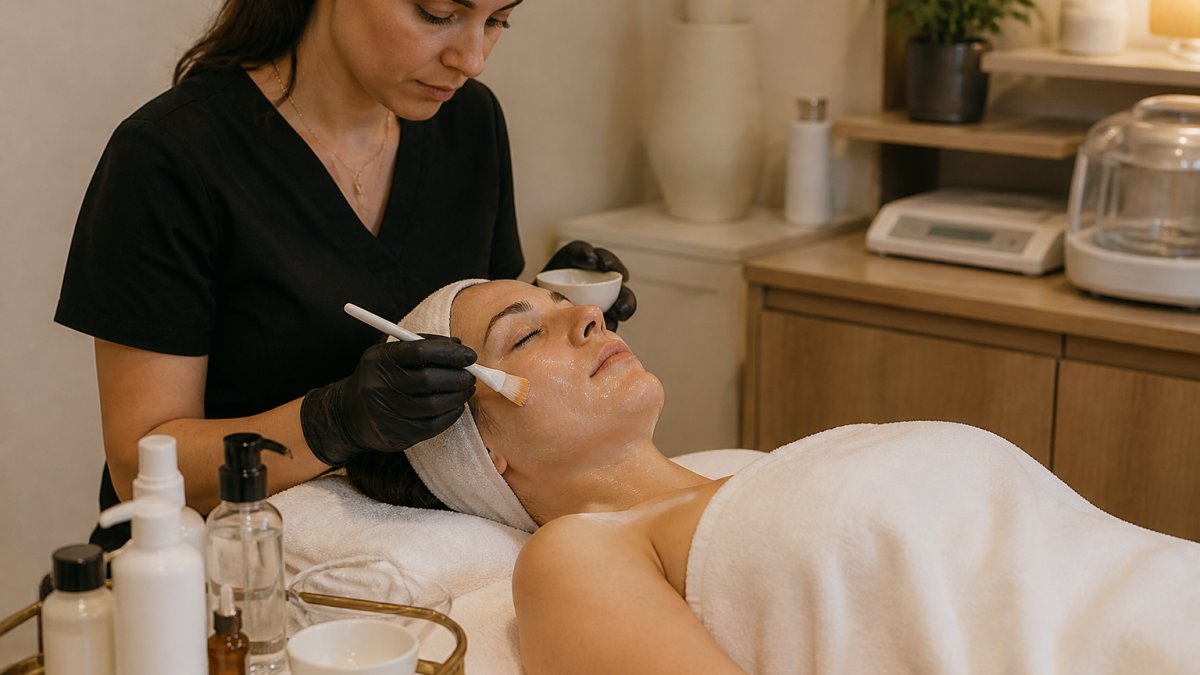
A professional facial is a multi-step skin treatment performed by a licensed esthetician. It typically includes cleansing, exfoliation, extractions, a mask, and moisturizer, adjusted to your skin type.
At Liz Almanzar Esthetics, we treat that schedule as a baseline, not a rule. Skin changes with the seasons, stress, and hormones. So should your visits.
Below, we break down what actually sets your frequency, with real guidance for acne, sensitive skin, and long-term upkeep.
Factors That Determine Your Ideal Facial Frequency
Four things move the needle most: skin type, your main concern, the strength of the treatment, and the season.
- Skin type: Oily skin often tolerates closer visits. Dry skin may need more recovery time.
- Main concern: Acne, texture, and dullness respond to different pacing.
- Treatment strength: Gentle facials can repeat sooner than peels or extractions.
- Season: Cold New England winters can leave skin drier and more reactive.
Your at-home routine matters too. Someone consistent with sunscreen and moisturizer usually holds results longer between appointments.
How Often Should You Get a Facial for Acne?
For acne-prone skin, most estheticians suggest every three to four weeks at the start, then spacing visits out as skin calms.
That timing lines up with the skin's natural renewal cycle. It also lets your esthetician manage clogged pores before they turn into larger breakouts.
A few practical notes:
- Avoid over-scheduling. Too-frequent extractions can irritate skin and trigger more oil.
- Expect gradual change, not a fix in one visit.
- Keep your home routine simple and consistent between appointments.
If you're dealing with active cysts or painful breakouts, see a dermatologist alongside your facial routine. Estheticians support skin health; they don't diagnose or treat medical conditions.
Facial Frequency for Sensitive Skin
Sensitive skin usually does best on a longer gap: every six to eight weeks, sometimes more.
The goal here is calm, not intensity. Gentle cleansing, light hydration, and minimal exfoliation beat aggressive treatments every time.
Watch for these signs you're going too often:
- Redness that lingers more than a day
- Stinging during or after treatment
- Flaking or tightness in the following week
If any of those show up, stretch the interval and tell your esthetician what happened. A good provider will adjust the products and pressure, not push the same protocol.
How Long Between Facials? Finding Your Rhythm
The honest answer: there's no universal number, and anyone who gives you one without asking about your skin is guessing.
Book a Service →
A practical way to find your rhythm:
- Start at every four to six weeks.
- Track how your skin feels in week three and week five.
- Note when it starts looking dull or congested again.
- Adjust the gap up or down based on that pattern.
Many people find their sweet spot shifts with the seasons. Summer may call for gentler, more frequent visits. Winter often rewards a richer treatment with more time in between.
If you're searching for facials near me, ask upfront how the provider plans your schedule. A good esthetician builds the plan around your skin, not a fixed package.
Facial Aftercare Tips for Lasting Results
What you do in the 48 hours after a facial decides how long the results last.

Keep it simple:
- Skip makeup for the rest of the day if you can.
- Use a gentle cleanser and lukewarm water.
- Moisturize generously, especially after exfoliation.
- Wear sunscreen every morning, rain or shine.
- Avoid harsh scrubs, retinoids, and strong acids for a couple of days.
- Drink water and skip intense workouts and saunas for 24 hours.
According to the American Academy of Dermatology, daily sunscreen use is one of the most effective ways to protect skin from premature aging. That habit carries your facial results forward.
When to Consult a Professional for Personalized Advice
Book a consultation when your skin isn't responding to a routine, or when you're unsure where to start.
Signs it's time to talk to a pro:
- Breakouts that keep returning despite consistent care
- Persistent redness, dryness, or irritation
- New texture or pigmentation changes
- A big event or season change coming up
A licensed esthetician can assess your skin, review your home products, and build a realistic schedule. In Connecticut, estheticians are licensed through the Connecticut Department of Public Health, so you can confirm credentials before booking.
If something looks medical, like sudden severe breakouts or a changing mole, see a dermatologist. A facial is a support tool, not a diagnosis.
At Liz Almanzar Esthetics, we start every facial with a conversation about your skin history and goals. That's how the schedule gets built, one visit at a time.
Conclusion
The real challenge isn't finding a number. It's finding the rhythm your skin actually likes, then sticking with it long enough to see change.
If you want a plan built around your skin, Liz Almanzar Esthetics offers tailored facials, gentle waxing, and lash extensions in a welcoming setting. We assess your skin, explain what we're using, and adjust your schedule as your skin responds. Book a service and get a routine that finally fits your skin.
Frequently Asked Questions
How often should you get a professional facial?
Most people benefit from a professional facial every four to six weeks. This aligns with the skin's natural renewal cycle, which averages about 28 days. However, your esthetician may recommend a different schedule based on your skin type, concerns, and how your skin responds. For example, someone with oily or acne-prone skin might need more frequent visits initially, while sensitive skin may do better with six to eight weeks between facials. Always follow your esthetician's personalized advice.
How often should you get a facial for acne?
For acne-prone skin, a professional facial every four weeks is a common starting point. Estheticians can perform gentle extractions and use treatments that target congestion and inflammation. In the beginning, you might need visits every two to three weeks to get breakouts under control, then transition to a maintenance schedule. Avoid over-treatment, which can irritate skin. A professional can assess your skin and adjust the frequency as needed.
What are the best facial aftercare tips?
After a facial, keep your skin clean and moisturized. Avoid harsh products, exfoliants, and direct sun exposure for at least 24 to 48 hours. Use a gentle cleanser and a broad-spectrum sunscreen with SPF 30 or higher. Drink plenty of water to support hydration. Skip makeup for the rest of the day if possible. If you had extractions, avoid touching your face and refrain from strenuous exercise that could cause sweating and irritation. Follow any specific instructions from your esthetician.
Can you get a facial too often?
Yes, getting facials too frequently can compromise your skin barrier, leading to irritation, redness, and increased sensitivity. Over-exfoliation and repeated treatments can strip natural oils and cause inflammation. It's important to space out facials based on your skin's tolerance and your esthetician's recommendations. Most people should wait at least three to four weeks between professional facials, though some may need longer. If you experience persistent irritation, consult a dermatologist or esthetician.