 Ultimate guide
What Is an Esthetician: Services, Training & Career Guide
Table of Contents
- What Is an Esthetician?
- Services Estheticians Provide
- Facial Treatments for Acne-Prone Skin
- Training, Licensing, and Qualifications
- How Often to Get a Facial
- What to Expect During a Facial
- Facial Treatments in Groton, CT
- How to Choose an Esthetician
- Frequently Asked Questions
Last Updated: October 18, 2026
What Is an Esthetician?
An esthetician is a licensed skincare professional trained to perform facial treatments, skin analysis, and beauty services focused on improving skin health and appearance. Unlike dermatologists, who diagnose and treat skin conditions medically, an esthetician specializes in non-medical skincare services including facials, extractions, chemical peels, waxing, and lash extensions. At Liz Almanzar Esthetics in Mystic, CT, our estheticians work with clients to address specific skin concerns through personalized treatment plans tailored to individual needs.
The role of an esthetician extends beyond applying products and techniques. A skilled esthetician analyzes your skin type, identifies underlying concerns, educates clients on proper skincare routines, and recommends professional treatments that complement at-home care. This combination of technical skill and client education distinguishes professional esthetic services from over-the-counter skincare alone.
Estheticians work in diverse settings including spas, dermatology offices, salons, wellness centers, and medical aesthetics clinics. Many clients seek esthetician services for preventive skincare, maintenance of healthy skin, or targeted treatment of concerns like acne, sensitivity, or signs of aging. The profession requires formal training, state licensing, and ongoing education to stay current with industry standards and new treatment modalities.
Services Estheticians Provide
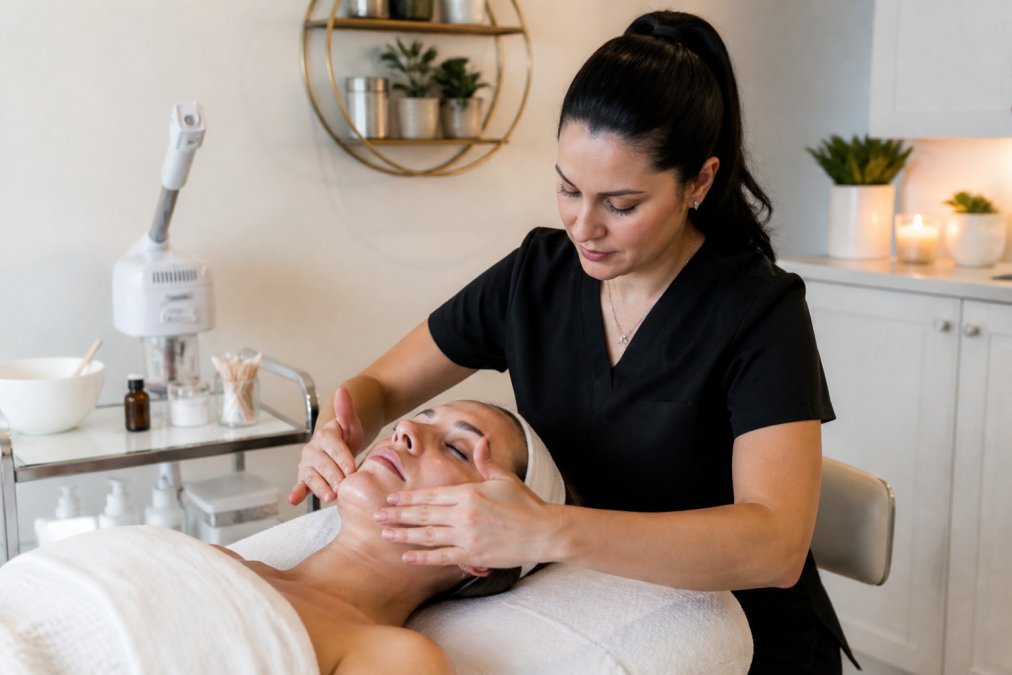
Estheticians offer a broad range of services designed to address different skin types and concerns. The most common service is the professional facial, which goes far beyond what at-home skincare can achieve. A professional facial includes deep cleansing, exfoliation, extraction of congestion, targeted serums or masks, and hydration tailored to your skin's specific needs.
Beyond facials, estheticians provide waxing services for hair removal on the face, body, and sensitive areas. Precision waxing removes hair at the root, providing longer-lasting results than shaving and often resulting in finer regrowth over time. Many clients choose professional waxing to reduce daily grooming time while maintaining smooth, polished skin.
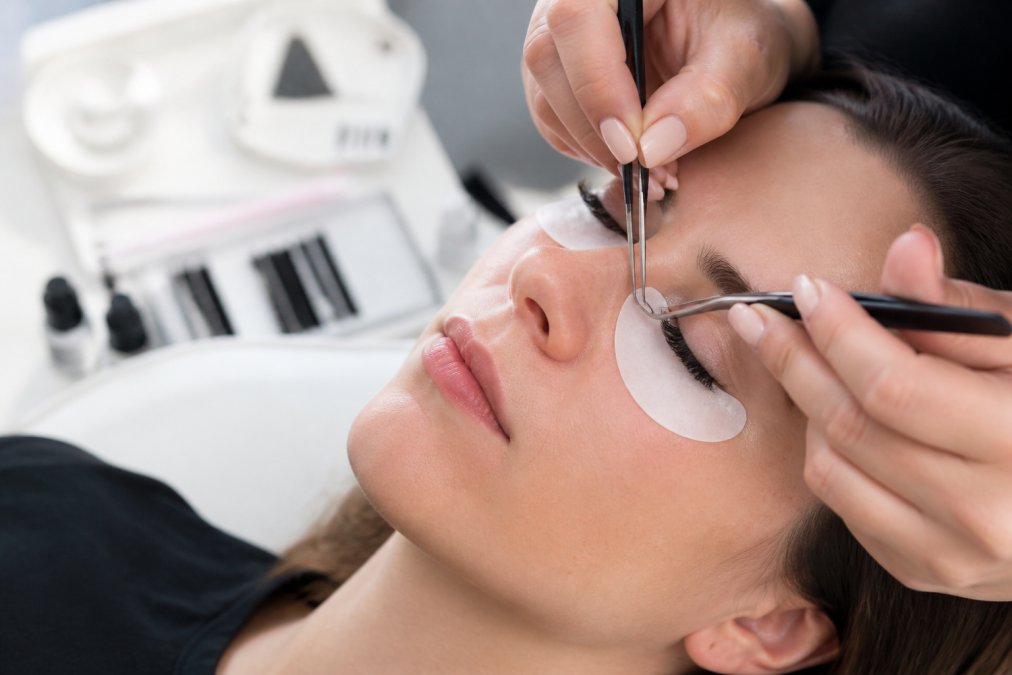
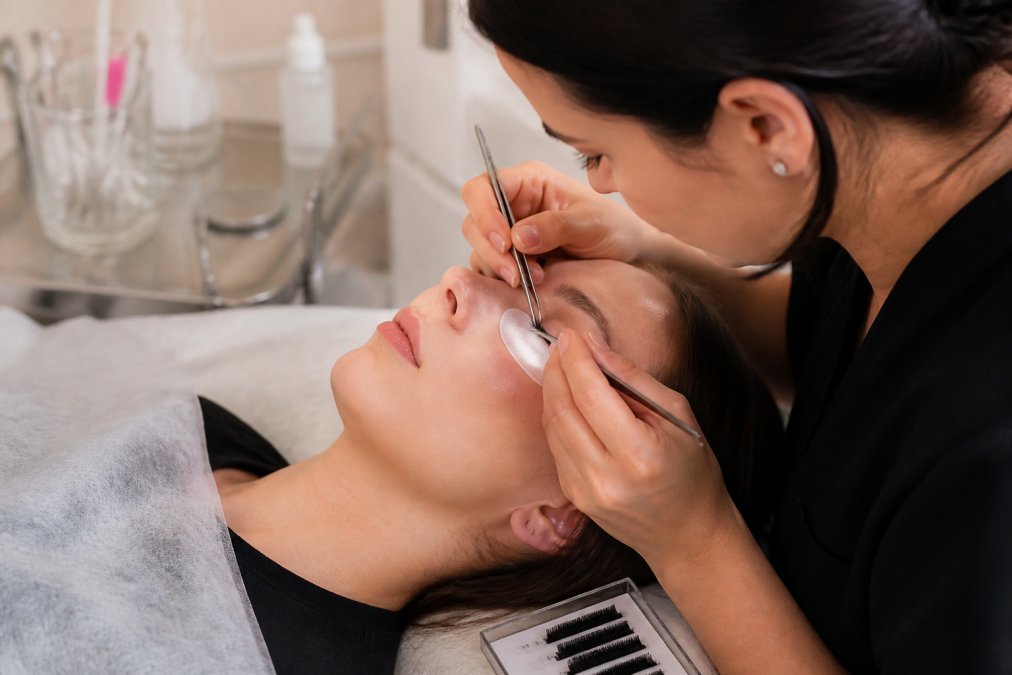
Lash extension services have become increasingly popular, offering clients a low-maintenance alternative to daily mascara application. Professional lash extensions are applied individually to natural lashes using specialized adhesive, creating fuller, longer-looking lashes that last several weeks. This service appeals to busy professionals and those seeking a more defined eye appearance without daily makeup effort.
Additional esthetic services often include eyebrow shaping and tinting, chemical peels for enhanced exfoliation and skin renewal, microdermabrasion, and specialized treatments targeting hyperpigmentation or post-acne scarring. Many estheticians also provide skincare consultations and product recommendations to support clients between professional treatments. The specific services available vary by location and esthetician specialization.
Facial Treatments for Acne-Prone Skin
Professional facials designed for acne-prone skin address the root causes of breakouts rather than just treating surface symptoms. An esthetician trained in acne-prone skin management will assess whether your acne stems from excess oil production, bacterial colonization, clogged pores, or inflammatory responses. This analysis guides the choice of treatment approach and products used during your facial.
A typical acne-focused facial includes gentle cleansing to remove surface impurities without stripping natural oils, chemical or mechanical exfoliation to clear congested pores, and careful extraction of comedones when appropriate. The esthetician applies targeted serums and masks formulated for blemish-prone skin, often containing ingredients like salicylic acid, benzoyl peroxide, tea tree oil, or azelaic acid. These treatments work to reduce active breakouts, calm inflammation, and prevent future congestion.
For clients struggling with persistent acne and dark spots left behind, a comprehensive approach combining professional treatments with at-home skincare yields the best results. Resources like The Clear Skin Blueprint provide a 12-week program designed by a licensed esthetician with over 8 years of experience, offering education on acne triggers and skincare routines. For those seeking both professional guidance and targeted products, The Clear Skin Blueprint Starter Kit combines a comprehensive e-book with three full-size acne products formulated to address excess oil, blemishes, and post-breakout dark spots.

One common mistake clients make is over-treating acne-prone skin at home. Harsh scrubbing, excessive product layering, or frequent extractions can worsen inflammation and compromise the skin barrier. An esthetician helps you understand which treatments are truly beneficial and which may be causing more harm than good.
Training, Licensing, and Qualifications
Becoming a licensed esthetician requires formal training and state licensure. In Connecticut, estheticians must complete an approved esthetic program, typically consisting of 600 hours of classroom instruction and hands-on training. This curriculum covers skin anatomy and physiology, product chemistry, sanitation and safety protocols, client consultation techniques, and practical application of various esthetic treatments.
The training covers fundamental skills like facial analysis, proper product application, extraction techniques, and client communication. Students learn about different skin types, conditions, and how to identify when a skin concern requires referral to a dermatologist rather than esthetic treatment. Safety and infection control are emphasized throughout, as estheticians work closely with clients' skin and must maintain strict hygiene standards.
After completing their training program, students must pass the Connecticut esthetician licensing exam. This exam tests knowledge of esthetic theory, safety practices, and practical application. Once licensed, estheticians are required to renew their license periodically and many pursue continuing education to maintain current knowledge of new treatments and products.
Many estheticians pursue additional certifications in specialized areas such as medical aesthetics, chemical peels, microdermabrasion, or advanced facial techniques. These additional qualifications allow estheticians to offer expanded services and stay current with evolving industry standards. When choosing an esthetician, asking about their training, licensing status, and any specialized certifications provides insight into their expertise and commitment to professional development.
How Often to Get a Facial
The ideal frequency for professional facials depends on your skin type, specific concerns, and current skin condition. For clients with healthy skin seeking maintenance and prevention, many estheticians recommend a professional facial every 4 to 6 weeks. This timeframe aligns with your skin's natural cell turnover cycle and allows for consistent exfoliation and deep hydration that supports skin health.
Clients dealing with active acne, sensitivity, or other skin concerns may benefit from more frequent facials initially. Some estheticians recommend monthly facials or even every 2 to 3 weeks when addressing stubborn breakouts or significant skin issues. As the skin improves, the frequency can be reduced to a maintenance schedule.
Seasonal changes also influence how often you might want a professional facial. Many people find their skin needs more support during winter months when cold, dry air can compromise the skin barrier, or during summer when increased sun exposure and heat affect skin behavior. An esthetician can recommend adjustments to your facial schedule based on seasonal shifts in your skin's needs.
Between professional facials, maintaining a consistent at-home skincare routine is essential. A routine tailored to your specific skin type and concerns amplifies the benefits of professional treatments and extends the results. Your esthetician should provide guidance on which products to use, how often to use them, and what to avoid to support your skin between appointments.
What to Expect During a Facial
Understanding what happens during a professional facial helps you prepare mentally and physically for your appointment. Most facials begin with a consultation where your esthetician asks about your skin concerns, current skincare routine, any sensitivities or allergies, and your goals for the treatment.
THE CLEAR SKIN BLUEPRINT VIP EXPERIENCE | E-BOOK + 3 FULL SIZE ACNE PRODUCTS →
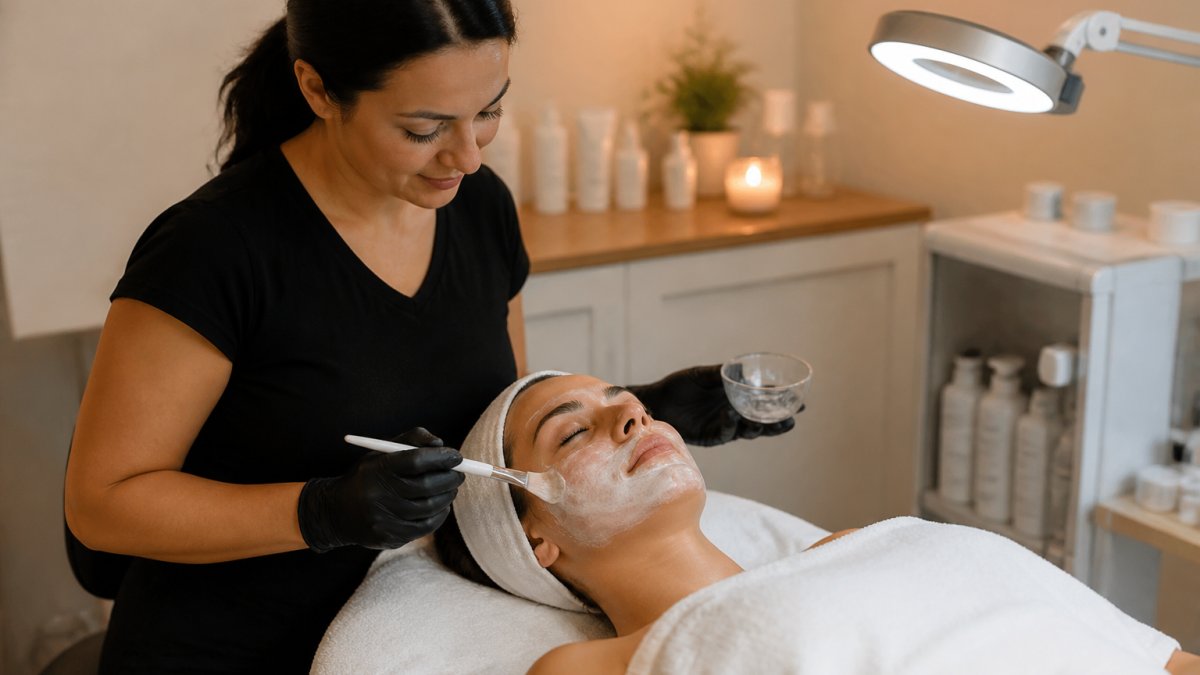
The facial itself typically begins with gentle cleansing to remove surface impurities and prepare your skin. Your esthetician will then perform a skin analysis, examining your skin's texture, hydration level, and any areas of concern.
Exfoliation is a key component of most facials. This might involve a gentle chemical exfoliant, a physical scrub, or enzymatic exfoliation depending on your skin's sensitivity and the esthetician's assessment. Exfoliation removes dead skin cells, unclogs pores, and allows deeper penetration of treatment serums and masks.
After exfoliation, many facials include extractions of comedones if appropriate for your skin type and condition. A skilled esthetician uses proper technique to minimize discomfort and avoid damaging your skin.
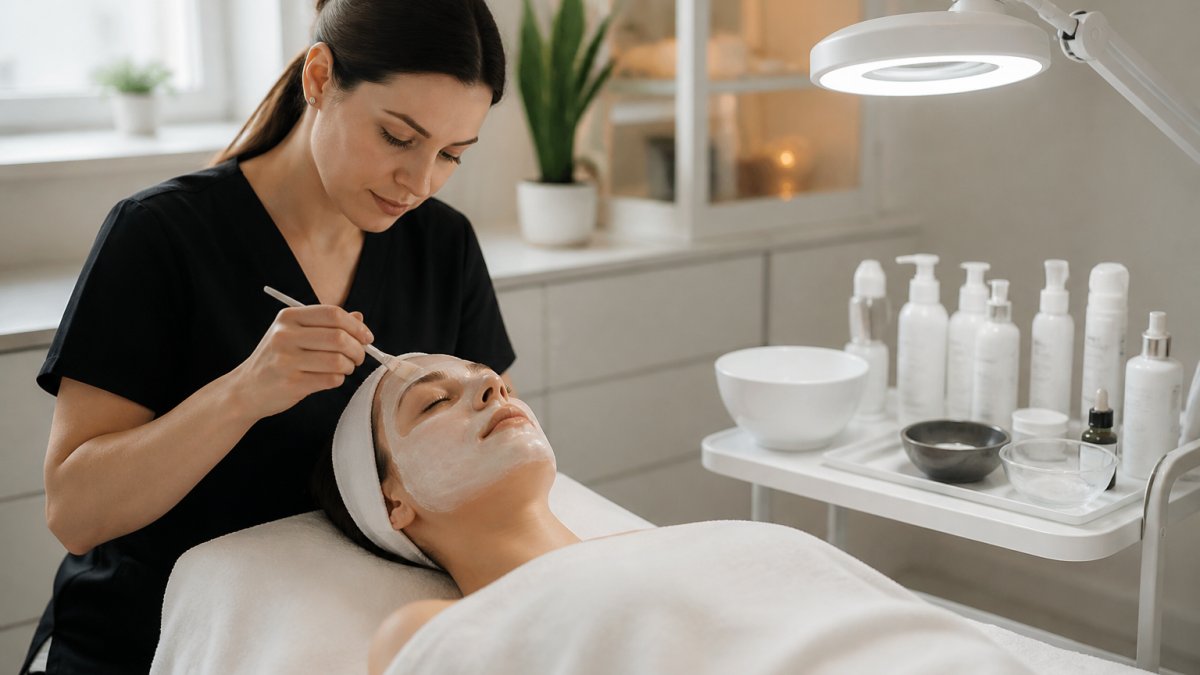
The facial continues with application of targeted serums, essences, or ampoules selected for your skin type. These products address specific concerns like hydration, brightening, calming, or oil control. A mask tailored to your needs is then applied and left on for several minutes while you relax.
Most professional facials last between 60 and 90 minutes, allowing adequate time for each step without rushing. You should leave feeling relaxed, with skin that looks refreshed and feels hydrated.
Facial Treatments in Groton, CT
The coastal Connecticut climate can present unique skincare challenges, including salt air exposure, humidity fluctuations, and seasonal temperature changes that affect skin health. Professional estheticians understand these local environmental factors and recommend treatments that address climate-specific concerns.
Many clients choose professional facials to maintain skin health in response to local environmental stressors. Whether you're dealing with sensitivity from salt air exposure, dehydration from seasonal changes, or concerns specific to your individual skin type, a local esthetician familiar with regional skin patterns can provide targeted guidance.
At Liz Almanzar Esthetics in nearby Mystic, we serve clients throughout the Groton and greater Southeastern Connecticut region. Our estheticians specialize in customized facial treatments that address acne, dryness, sensitivity, and signs of aging. We understand the specific skincare needs of local clients and provide professional guidance on maintaining skin health between appointments.
How to Choose an Esthetician
Selecting the right esthetician is one of the most important decisions for your skincare journey. Start by verifying that any esthetician you're considering is properly licensed. In Connecticut, licensed estheticians should be able to provide proof of current licensure.
Look for estheticians with specific experience addressing your primary skin concerns. If you're struggling with acne, seek an esthetician who specializes in acne-prone skin and can explain their approach to treatment.
Read reviews from other clients, paying attention to comments about how the esthetician addressed specific skin concerns similar to yours. Look for patterns in feedback about professionalism, cleanliness, and whether clients felt their concerns were truly addressed.
During your initial consultation, observe how the esthetician listens and asks questions. A good esthetician takes time to understand your skin, your concerns, and your goals rather than rushing through a generic consultation.
Consider the environment where services are provided. A professional, clean, and welcoming space reflects the esthetician's commitment to quality and client care.
Ask about the products the esthetician uses and whether they're willing to work with your skin's sensitivities or preferences.
Finally, consider whether the esthetician's location and appointment availability work for your schedule. Consistency with professional treatments requires regular appointments, so choosing someone conveniently located near you makes it easier to maintain your skincare routine.
Finding the right esthetician transforms your skincare from a frustrating guessing game into a strategic, personalized journey. At Liz Almanzar Esthetics, we specialize in customized facial treatments for acne-prone skin, precise waxing, and exquisite lash extensions tailored to your specific needs.
Frequently Asked Questions
What's the difference between an esthetician and a dermatologist?
An esthetician is a skincare specialist trained in non-medical beauty treatments like facials, waxing, and lash extensions. A dermatologist is a medical doctor who diagnoses and treats skin diseases and conditions. Estheticians focus on skincare maintenance and beauty enhancement, while dermatologists address medical skin concerns. For skin conditions like severe acne or eczema, a dermatologist is appropriate; for preventive care and beauty treatments, an esthetician is your professional.
Can an esthetician help with acne?
Yes. Estheticians provide facial treatments specifically designed for acne-prone skin, including deep cleansing, exfoliation, and targeted treatments to reduce the appearance of blemishes and post-acne marks. They can also recommend a personalized skincare routine and products suited to your skin type. Resources like The Clear Skin Blueprint help you understand acne triggers and build consistent skincare habits with professional guidance, combining education with targeted serums and masks to support clearer skin.
How do I prepare for a facial?
Before your appointment, cleanse your face gently and avoid heavy makeup if possible. Skip exfoliating scrubs or active treatments like retinoids 24 hours before your facial to prevent sensitivity. Inform your esthetician of any skin conditions, allergies, or recent treatments. Arrive a few minutes early to discuss your skin concerns and goals. Avoid sun exposure and harsh products immediately after your facial to allow your skin to settle.
How long do facial results last?
Results from a single facial typically last 1 to 2 weeks, with improvements in hydration, radiance, and texture most noticeable in the first few days. To maintain results, most professionals recommend facials every 4 to 6 weeks as part of a consistent skincare routine. Regular treatments help address ongoing concerns like acne, dryness, or aging signs more effectively than occasional visits.