 How-to
After a Facial: What Happens to Your Skin and How to Care for It
Last Updated: November 8, 2026
Quick Summary
After a facial, your skin is at its most reactive: expect a pink flush, mild warmth, and a tighter feel, with most flushing settling within two to four hours. The immediate glow from hydration and circulation often fades within a few hours to a couple of days, while smoother texture and clearer pores typically show for one to two weeks.
- Skip makeup for the rest of the day and avoid heat, saunas, and heavy workouts.
- Extractions can leave faint pink marks for a day or two; redness beyond 48 hours warrants a call.
- Avoid harsh scrubs, retinoids, and strong acids for at least 24 to 48 hours.
- Pause retinoids for a few days before and after a facial with exfoliation or extractions.
- Wait at least two weeks after waxing, laser, microneedling, or chemical peels before booking a facial.
Table of Contents
- What to Expect After a Facial: The Immediate and Delayed Effects
- Redness After a Facial: Why It Happens and How Long It Lasts
- Breakouts After a Facial: Is It Normal and What Does It Mean?
- What Not to Do After a Facial: Mistakes That Undo Your Results
- How Professional Extractions and Deep Cleansing Change Your Skin
- Building an Aftercare Routine That Protects Your Skin Barrier
- When to Call Your Esthetician or a Healthcare Professional
- Booking Your Next Facial in Groton, CT
- Frequently Asked Questions
What to Expect After a Facial: The Immediate and Delayed Effects
Most people leave a facial with flushed, glowing skin and a few questions.
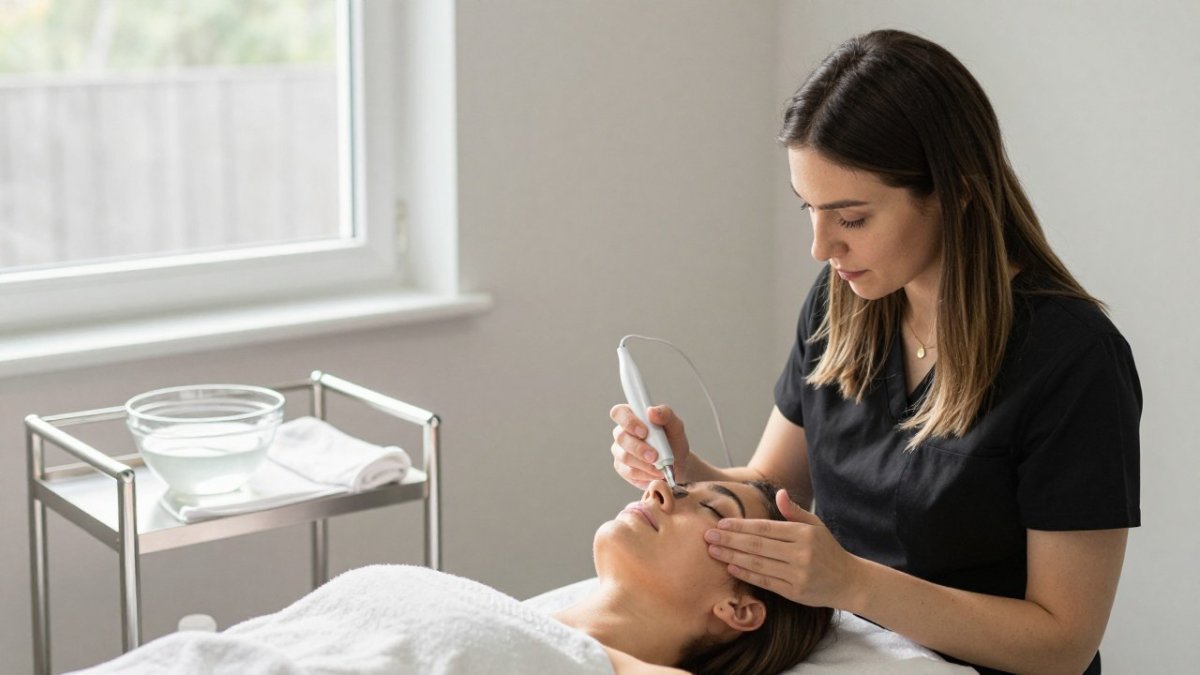
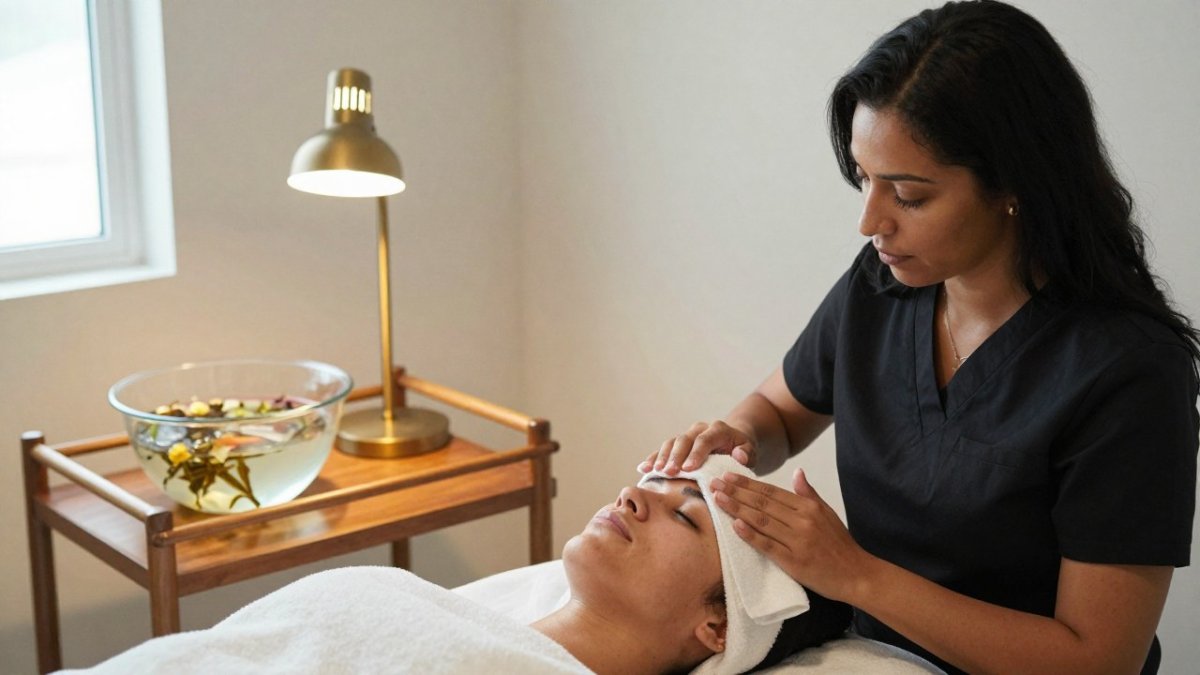
A professional facial is a multi-step skin treatment that cleanses, exfoliates, and extracts congestion, then finishes with calming and hydrating products. The visible results are real but often temporary.
According to TIME's reporting on facials, a facial may improve your appearance for a few hours, days, or weeks. That range is honest, and it matters for setting expectations.
Below, we break down what happens to your skin after a facial, hour by hour and day by day, so you know what is normal and what needs a call.
The First Few Hours: Glow, Warmth, and Sensitivity
Your skin is at its most reactive right after treatment. Expect a pink flush, mild warmth, and a tighter feel.
That flush comes from massage and active ingredients. Cleveland Clinic's guidance on skin treatments notes that facial massage and stimulating ingredients can leave skin looking pink for a short time.
Keep the first few hours simple:
- Skip makeup for the rest of the day
- Avoid heat: no hot showers, saunas, or heavy workouts
- Use only gentle, fragrance-free products
- Do not touch or pick at your face
The glow you see now is partly hydration and increased circulation. It is not a permanent change.
Days 1 Through 7: Renewal and Adjustment
Your skin renews itself roughly every 28 to 40 days, according to UPMC's overview of facials. A facial supports that cycle rather than replacing it.
Some clients ask how soon they can book again. Spacing matters more than frequency. If you are mapping out your next visit, our guide on how often should you get a professional facial explains the timing that suits most skin types.
Redness After a Facial: Why It Happens and How Long It Lasts
Redness after a facial is common and usually fades within a few hours. It is a sign of increased blood flow, not damage.
Here is what drives it:
- Massage and manipulation of the skin
- Exfoliating acids and enzyme treatments
- Extractions, which leave small temporary marks
- Heat from steam or warm towels
Most flushing settles within two to four hours. Extractions can leave faint pink marks for a day or two. If redness lasts beyond 48 hours, or comes with swelling or heat, contact your esthetician.
For sensitive or easily irritated skin, a soothing serum helps calm the look of redness. Our Circadia Chrono-Calm Serum is a lightweight, water-based option designed for chronically irritated skin and the appearance of dilated capillaries.
Breakouts After a Facial: Is It Normal and What Does It Mean?
A small breakout in the days after a facial can happen, and it is usually not a sign the treatment failed.
Comedones are blocked pores. Blackheads are open comedones, and whiteheads are closed ones.
Irritation looks different. Watch for redness, stinging, or a rash in areas you do not normally break out, especially along the cheeks or jawline where product contact is heaviest.
Use this comparison to sort out what you are seeing:
| Signal | Purging | Irritation or reaction |
|---|---|---|
| Location | Your usual breakout zones | New areas, often cheeks or jaw |
| Sensation | Mild tenderness | Stinging, burning, itching |
| Appearance | Small whiteheads and blackheads | Redness, rash, or tiny bumps in clusters |
| Timeline | Peaks around days 2-4, clears within a week | Can worsen past 48 hours without calming care |
Do not squeeze new blemishes. Our Circadia Spot Stop Serum is designed to soothe, cool, and reduce the signs of inflammation in acute breakouts.
Watch out: if breakouts are deep, painful, or leave pits or dark marks, that is a signal to see a dermatologist.
Acne type also shapes whether a facial is the right first step.
What Not to Do After a Facial: Mistakes That Undo Your Results
The biggest mistake after a facial is treating your skin like it needs a deep clean. It does not. It needs calm.
Avoid these for at least 24 to 48 hours:
- Harsh scrubs, retinoids, and strong acids
- Waxing or laser treatments on the same area
- Hot yoga, saunas, and steam rooms
- Pools and long hot showers
- Picking or popping anything
Watch out: over-exfoliating after a facial can damage the skin's protective layer and cause inflammation, according to SELF's reporting on exfoliation. More exfoliation is not better here.
Also skip alcohol-heavy toners and anything with a strong fragrance. Your barrier is working harder than usual.
How Professional Extractions and Deep Cleansing Change Your Skin
Extractions and deep cleansing are the core of an acne-focused facial. They remove excess oil, dead skin cells, and debris that daily cleansing cannot reach.
A typical session follows this order:
- Double cleanse to remove makeup, sunscreen, and surface oil
- Exfoliation with salicylic acid or a gentle chemical exfoliant
- Steam to soften congestion in the pores
- Extractions to unclog pores and clear comedones
- Calming mask to reduce redness and soothe the skin
- Hydration and sun protection to finish
The immediate result is clearer pores and smoother texture. The longer-term benefit comes from consistency, not a single visit.
Building an Aftercare Routine That Protects Your Skin Barrier
A simple routine beats a complicated one in the week after a facial. Your skin barrier is the outer layer that holds in moisture and keeps irritants out, and it is working harder than usual while it recovers from exfoliation and extractions.
A 2026 article indexed by PubMed Central on postprocedural skin care recommends gentle cleansing, preferably with a syndet cleanser, plus a moisturizer to help avoid irritation. That is the backbone. Everything else is optional for the first week.
Here is a routine that fits most skin types:
| Step | Morning | Evening | Why It Matters |
|---|---|---|---|
| Cleanse | Gentle gel cleanser | Gentle gel cleanser | Removes oil without stripping |
| Tone | Balancing toner | Balancing toner | Calms and preps skin |
| Treat | Hydrating serum | Spot treatment as needed | Supports moisture and calm |
| Moisturize | Hydration cream | Recovery cream | Locks in water, supports barrier |
| Protect | Sunscreen SPF 30+ | None | Prevents UV damage and dark spots |
Our Gentle Cleansing Gel is an oil-free, sulfate-free formula made with sensitive and post-procedure skin in mind. Pair it with a hydrating moisturizer, and finish your morning with daily sun protection. Our Circadia Light Day Sunscreen is built for everyday UV defense.
Medication Coordination Before and After Your Facial
This is the part most aftercare advice skips, and it is where irritation most often starts. Be honest about your prescriptions before any facial.
- Retinoids (tretinoin, adapalene, tazarotene): pause them for a few days before and after a facial with exfoliation or extractions unless your provider says otherwise. Layering a retinoid onto freshly treated skin is a common cause of peeling and stinging.
- Isotretinoin: this medication affects how skin heals. Tell your provider you are on it before booking any treatment.
- Exfoliating acids (glycolic, salicylic, lactic): skip at-home acid toners and peels for about a week after a facial so you are not stacking exfoliation on exfoliation.
- Recent procedures: wait at least two weeks after waxing, laser, microneedling, or chemical peels in the same area before booking a facial, and mention any recent injectables so pressure and massage can be adjusted.
Watch out: if you are unsure whether a product belongs in your post-facial routine, leave it out for a week. Adding one new active to recovering skin makes it hard to tell what caused a reaction.
Who Should Postpone a Facial
A facial is low-risk for most healthy adults, but it is not right for every skin on every day. Consider postponing or checking with a clinician first if you have:
- An active cold sore, open sore, or skin infection in the treatment area
- A sunburn, windburn, or freshly irritated barrier
- A known allergy to an ingredient in the treatment line
- A skin condition such as eczema or rosacea in an active flare
- Pregnancy, if the treatment plan includes certain actives, ask what will be used before you book
How Long Results Actually Last
Set realistic expectations. The immediate glow from hydration and circulation often fades within a few hours to a couple of days. Smoother texture and clearer pores typically show for one to two weeks. Meaningful change in breakouts, tone, and dark spots comes from a consistent plan over weeks and months, not a single appointment, which is why spacing matters more than frequency.
If you are comparing providers in the Groton area, ask about the actives that will be used, whether extractions are included, and how the treatment will be adjusted for your medications and skin condition.
When to Call Your Esthetician or a Healthcare Professional
Most post-facial reactions settle on their own. Some do not, and knowing the difference protects your skin.
Contact your esthetician if you notice:
- Redness or swelling lasting more than 48 hours
- Blistering, oozing, or a spreading rash
- Hives, itching, or difficulty breathing
- Pain that gets worse instead of better
Seek medical care promptly for facial swelling with fever, or any sign of infection such as warmth, pus, or spreading tenderness. A dermatologist is the right call for deep, painful acne or acne that is not responding to treatment.
Be honest about your medications before any facial. Some prescriptions, including isotretinoin, affect how skin heals, and your provider will advise on timing.
Booking Your Next Facial in Groton, CT
Consistency is what turns a good facial into lasting skin clarity. One visit gives you a glow. A steady plan gives you real change in texture, tone, and breakouts.
If you are ready to book, start by choosing the right treatment for your skin concern.
Liz Almanzar Esthetics serves clients in the Mystic and Ledyard, CT area.
If you are searching for facials near me in southeastern Connecticut, we would love to help. Book a service with us and start a routine built around your skin.
Your skin deserves more than guesswork. At Liz Almanzar Esthetics, we build customized facial treatments around your skin concerns, from acne and congestion to dryness and sensitivity.
Frequently Asked Questions
Is it normal to break out after a facial?
Yes, mild breakouts after a facial can happen, especially if you have congested pores or active acne. Extractions and deep cleansing can push debris to the surface, and skin may purge for a few days. Keep your routine gentle, avoid picking, and use a calming cleanser. If breakouts are severe or last more than two weeks, contact your esthetician or a healthcare professional for guidance.
How long does redness after a facial usually last?
Redness after a facial often fades within a few hours, though it can last up to a day or two if you had extractions or stimulating treatments. A possible pink flush after facial massage and active ingredients is common. Use cool compresses, skip heat and harsh products, and apply a soothing moisturizer. Persistent redness beyond a few days should be checked by a professional.
What should I avoid doing after a facial?
For at least 24 hours, skip harsh exfoliants, retinoids, alcohol-based toners, and hot showers or saunas. Avoid picking or touching your face, and do not apply makeup immediately if your skin feels sensitive. Also avoid intense exercise that causes heavy sweating right after your appointment. Gentle cleansing and moisturizing, as recommended in postprocedural skin care guidance, help protect your skin barrier.
How soon can I wash my face after a facial?
Most estheticians recommend waiting at least 6 to 8 hours, or until the next morning, before washing your face after a facial. Use a gentle, sulfate-free cleanser and lukewarm water. Avoid scrubbing. If your skin feels tight or irritated, a single rinse with cool water may be enough. Follow the specific aftercare instructions your esthetician provides for your treatment.