 How-to
How to Choose the Right Facial for Your Skin
Table of Contents
- Understand Your Skin Type First
- Identify Your Primary Skin Concern
- Find the Best Facial for Your Skin Type
- Facial Treatments for Sensitive Skin
- What to Ask an Esthetician Before Your Facial
- How Often to Get a Facial for Results
- Your Facial Selection Checklist
- Frequently Asked Questions
Last Updated: October 5, 2026
Understand Your Skin Type First
Knowing your skin type is the foundation for helping you choose right facial treatments for your skin. Most people fall into one of five categories: oily, dry, combination, sensitive, or normal. Each type has different needs and responds better to specific treatments.
Oily skin produces excess sebum. It often looks shiny and feels greasy, especially in the T-zone. Pores tend to be larger and more visible.
Dry skin lacks moisture. It may feel tight, flaky, or rough. Fine lines can appear more pronounced.
Combination skin is oily in some areas and dry in others. The T-zone is typically oily while cheeks are dry.
Sensitive skin reacts easily to products or treatments. It may feel itchy, burn, or develop redness quickly.
Normal skin is balanced. It's neither too oily nor too dry and has minimal sensitivity.
At Liz Almanzar Esthetics in Mystic, we help clients identify their skin type. You can also do a quick test at home. Wash your face with a gentle cleanser and wait 30 minutes. If your skin feels tight, it's likely dry. If it looks shiny, it's oily. If some areas are shiny and others feel tight, you have combination skin.
Understanding this basic information helps guide which facial treatments will work best for your unique needs.
Identify Your Primary Skin Concern
Beyond skin type, you need to pinpoint what you want to address. Common concerns include acne, sensitivity, dryness, oiliness, signs of aging, or uneven texture. Your primary concern often determines which facial treatment delivers the best results.
Acne-prone skin benefits from treatments that unclog pores and reduce bacteria. Look for facials that include gentle exfoliation and purifying ingredients.
Dryness and dehydration need facials that add moisture back into the skin. Hydrating treatments work best here.
Signs of aging like fine lines and loss of elasticity respond well to facials that boost collagen and improve skin firmness.
Sensitivity and irritation require gentle, soothing treatments that calm inflammation without harsh actives.
Uneven texture or scarring may benefit from facials that use gentle resurfacing to smooth the skin.
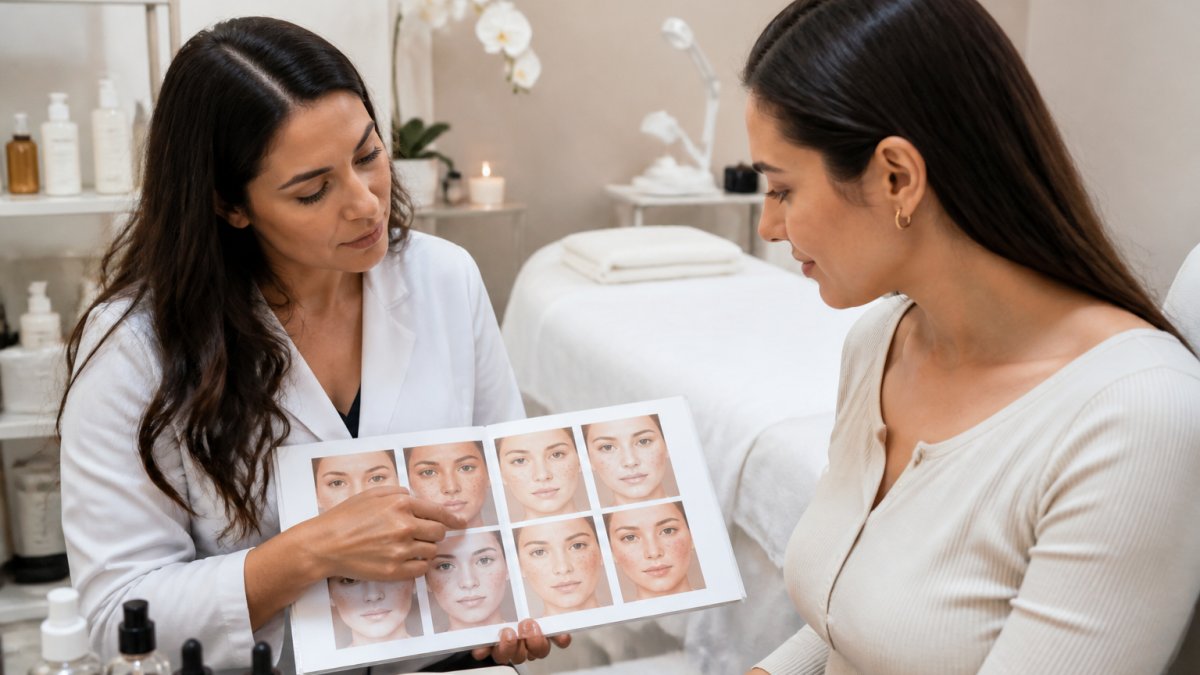
Write down your top 1-2 concerns before booking. This helps your esthetician choose right facial options for your skin and customize the treatment to address what matters most to you.
Find the Best Facial for Your Skin Type
Different facial types target different skin needs. Here are the most common options and what they do best.
Classic European Facials are the foundation. They include cleansing, exfoliation, extraction, massage, and a mask. These work well for most skin types and provide basic maintenance and hydration.
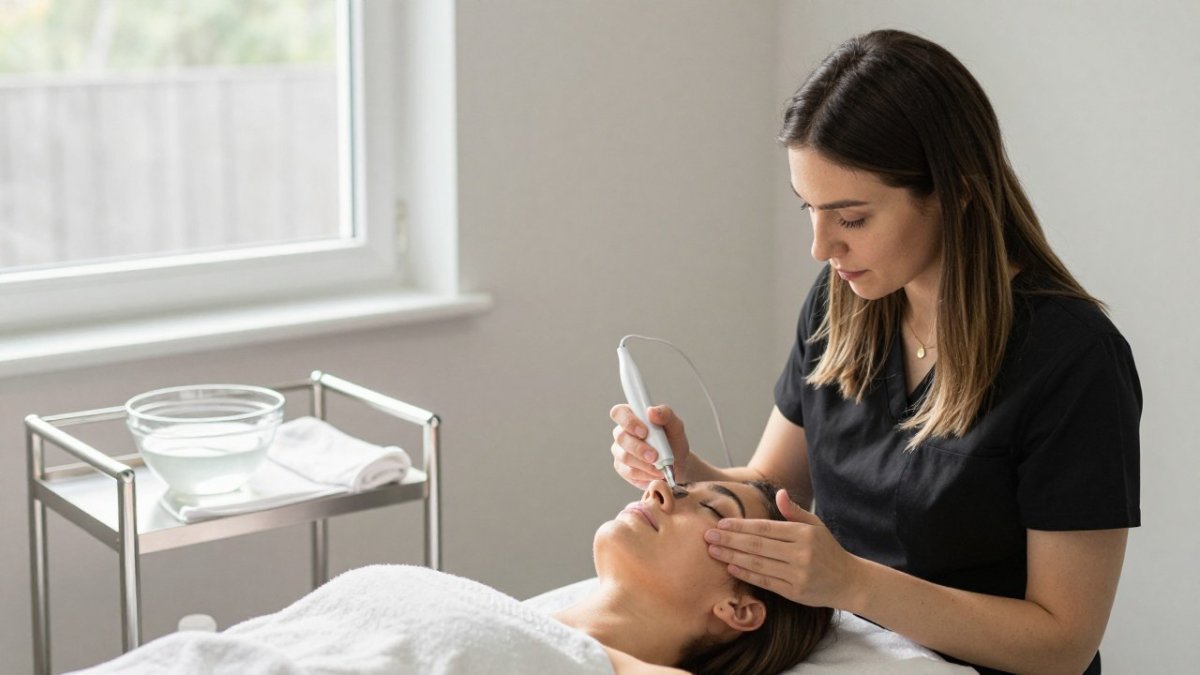
HydraFacial uses vortex technology to vacuum out impurities and infuse serums deep into the skin. It's excellent for dehydration, dullness, and fine lines. Most skin types tolerate it well.
Chemical Peels use acids to dissolve dead skin cells and reveal fresh skin underneath. They range from light to strong. Stronger peels work better for acne scars, sun damage, and significant aging signs. Lighter peels suit sensitive skin.
Microdermabrasion physically exfoliates using tiny crystals or a diamond tip. It works well for texture, mild acne scars, and dull skin. It's gentler than chemical peels but still effective.
Oxygen Facials infuse oxygen and serums into the skin. They're great for brightening and hydration. Most people see a glow immediately after.
Laser Facials use light energy to stimulate collagen and address pigmentation or texture issues. Results build over multiple sessions. They're best for aging skin and sun damage.
Acne-Specific Facials combine gentle exfoliation with purifying masks and sometimes light therapy. They reduce bacteria and prevent future breakouts.
For oily or acne-prone skin, consider facials with purifying ingredients. The Dead Sea Mud Mask contains 21 minerals that detoxify and unclog pores without over-drying. Use it 1-2 times per week as part of your home care routine between professional facials.
For dry skin, hydrating facials and treatments with moisture-boosting serums work best. For sensitive skin, gentle options like light European facials or hydrating treatments are safer choices.
| Facial Type | Best For | Key Benefit |
|---|---|---|
| European Facial | All skin types | Maintenance and hydration |
| HydraFacial | Dehydration, dullness | Deep hydration, immediate glow |
| Chemical Peel | Acne scars, sun damage | Visible texture improvement |
| Microdermabrasion | Texture, mild scars | Gentle exfoliation |
| Oxygen Facial | Brightening, hydration | Radiant, plump skin |
| Laser Facial | Aging, pigmentation | Collagen stimulation |
| Acne Facial | Acne-prone skin | Bacteria reduction |
Facial Treatments for Sensitive Skin
Sensitive skin needs extra care when choosing a facial. The goal is to improve your skin without triggering irritation or redness.
Avoid treatments with strong acids, high concentrations of actives, or physical scrubbing. Light chemical peels at low concentrations can work, but only if your esthetician has experience with sensitive skin.
The safest options for sensitive skin include:
- Gentle European facials with soothing ingredients
- Hydrating facials that focus on moisture and calming
- Light oxygen facials
- Microdermabrasion at low pressure
- Facials using the Gentle Cleansing Gel, which contains witch hazel and licorice root to soothe inflammation
Before your appointment, tell your esthetician about any reactions you've had in the past. Mention products that have irritated your skin. A good esthetician will test products on a small area first and monitor your skin during the treatment.
After a facial, your sensitive skin may be slightly red for a few hours. This is normal. Avoid sun exposure, heat, and irritating products for 24 hours. Stick to gentle cleansing and hydrating products.
What to Ask an Esthetician Before Your Facial
A good esthetician will answer your questions and customize your treatment. Here's what to ask before booking or at your appointment.
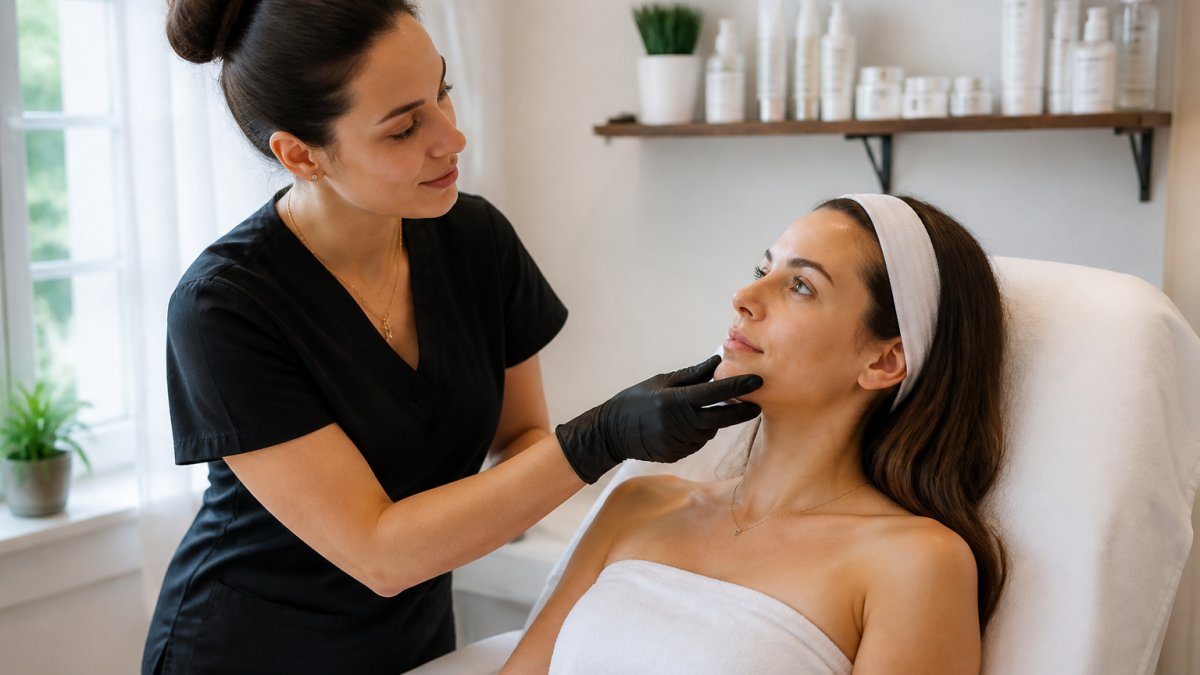
Ask about experience with your skin type and concern. "Have you worked with [my skin type] skin before?" and "What results can I realistically expect?" Help them understand what you want to achieve.
Ask what the facial includes. Does it have extractions, massage, a mask? How long is the treatment? What products will be used?
Ask about aftercare. What should you avoid after the facial? When can you wear makeup? Should you use specific products at home?
Ask about frequency. How often should you come back for best results? Some facials need monthly visits. Others work fine quarterly.
Ask about contraindications. If you're pregnant, on certain medications, or have a skin condition, mention it. Some treatments aren't safe during pregnancy or with certain conditions.
Ask if they can customize it. Can they skip steps that bother your skin? Can they add extra hydration if you're dry?
Ask about their certifications. Are they a licensed esthetician? What training have they completed? At Liz Almanzar Esthetics in Mystic, we specialize in facials tailored to your specific skin needs and concerns.
How Often to Get a Facial for Results
Frequency depends on your skin type, concern, and the type of facial you choose.
For maintenance and prevention, most people benefit from a facial every 4-6 weeks. This keeps skin clear and glowing without being excessive.
For acne, monthly facials work better. Acne needs consistent treatment to prevent new breakouts.
For anti-aging, monthly or every 6 weeks is ideal. Collagen-boosting treatments build results over time. Skipping months slows progress.
For sensitive skin, space facials further apart. Every 6-8 weeks gives your skin time to recover between treatments.
For dry skin, monthly hydrating facials help. Between appointments, use hydrating products like the Gentle Balancing Toner, which contains green tea and chamomile to soothe and prep your skin.
The first results appear after 1-2 facials. Real improvement takes 3-4 consistent treatments. Skin cell turnover takes about 28 days, so spacing appointments 4-6 weeks apart aligns with your skin's natural cycle.
If you're new to facials, start with one and see how your skin responds. Then decide on a schedule that fits your budget and skin needs. Some people do monthly facials. Others do quarterly treatments and maintain results with good home care.
Your Facial Selection Checklist
Use this checklist to choose the right facial for your skin and ensure you're ready for your appointment.
Before Booking:
- I've identified my skin type (oily, dry, combination, sensitive, or normal)
- I know my primary skin concern (acne, dryness, aging, sensitivity, texture)
- I've researched facial types that address my concern
- I've read reviews or asked for recommendations
- I've confirmed the esthetician is licensed and experienced
At Your Consultation:
- I've described my skin type and concerns clearly
- I've asked about the esthetician's experience with my skin
- I've asked what the facial includes and how long it takes
- I've mentioned any skin reactions or sensitivities
- I've asked about aftercare instructions
- I've asked how often I should return for best results
- I've confirmed the price and what's included
Before Your Appointment:
- I've avoided new products for 1 week before the facial
- I've skipped exfoliation for 3 days before
- I've arrived with clean skin
- I've worn comfortable, loose clothing
- I've hydrated well the day before
After Your Facial:
- I've avoided sun exposure for 24 hours
- I've skipped makeup for at least a few hours
- I've used only gentle, hydrating products
- I've avoided heat (hot showers, saunas) for 24 hours
- I've booked my next appointment if planning regular facials
Choosing the right facial for your skin comes down to understanding what your skin needs and finding an esthetician who listens. Whether you're dealing with acne, dryness, sensitivity, or signs of aging, there's a facial treatment that can help. At Liz Almanzar Esthetics in Mystic, we specialize in personalized facial treatments designed to address your specific skin concerns. Our professional team takes time to assess your skin and recommend the best approach for your unique needs. Book a Service with us and experience facials tailored to your skin type and goals.
Frequently Asked Questions
How do I know which facial is right for my skin?
Start by identifying your skin type (oily, dry, combination, or sensitive) and your main concern (acne, dryness, aging, sensitivity). Different facials target different needs. For example, if you have oily, acne-prone skin, a clarifying facial with ingredients like charcoal can help, while dry skin benefits from hydrating treatments. Consult with an esthetician who can assess your skin in person and recommend the best facial for your specific needs.
What should I tell an esthetician before getting a facial?
Share your skin type, any active skin conditions (acne, eczema, rosacea), recent treatments or procedures, medications, and allergies. Mention if you have sensitive skin or have had reactions to products. Tell them about your skin goals and any areas of concern. Be honest about your skincare routine and whether you've had facials before. This information helps your esthetician customize the treatment and avoid ingredients or techniques that could irritate your skin.
How often should I get a professional facial?
Most skin types benefit from a facial every 4 to 6 weeks, which aligns with your skin's natural renewal cycle. If you have acne-prone skin, monthly facials may help manage breakouts. Those with sensitive or dry skin might space treatments 6 to 8 weeks apart to avoid over-treating. Your esthetician can recommend a schedule based on your skin's response and your goals. Consistency matters more than frequency, regular treatments produce better results than occasional ones.
Should I choose a facial based on my skin type or my main concern?
Both matter, but your main concern often takes priority. Your skin type determines which facial formulas and techniques your skin can tolerate, while your concern (acne, dryness, aging) determines which facial will address your goals. For example, if you have sensitive skin but struggle with acne, you need a gentle acne-fighting facial, not just any facial for sensitive skin. Work with your esthetician to find a treatment that addresses your concern while respecting your skin's sensitivity.