 How-to
7 Steps to Prepare Skin for Hyperpigmentation Treatment
Last Updated: October 24, 2026
Quick Summary
To prepare skin hyperpigmentation treatment, start a consistent skincare routine four weeks before your appointment using a gentle cleanser, targeted serum, moisturizer, and daily sunscreen. In the final week, simplify your routine and avoid retinoids, active ingredients, waxing, sun exposure, and other irritants that stress your skin barrier.
- Begin preparation four weeks before treatment with a consistent daily skincare routine.
- Stop using retinoids and other active ingredients one week before your appointment.
- Avoid waxing, aggressive exfoliation, sun exposure, and harsh products in the days leading up to treatment.
- Ask your esthetician about your hyperpigmentation type and expected results during your consultation.
- Use SPF 30 or higher sunscreen daily after treatment to prevent hyperpigmentation from returning.
Table of Contents
- Why Preparation Matters Before Hyperpigmentation Treatment
- Step 1: Start a Consistent Skincare Routine 4 Weeks Before Treatment
- Step 2: Understand Chemical Peel Preparation for Hyperpigmentation
- Step 3: Know What to Avoid Before a Facial
- Step 4: Questions to Ask an Esthetician About Dark Spots
- Step 5: Master Sun Protection After Hyperpigmentation Treatment
- Step 6: Adjust Your Daily Routine in the Final Week
- Book Your Hyperpigmentation Treatment Consultation
- Frequently Asked Questions
Why Preparation Matters Before Hyperpigmentation Treatment
Knowing how to prepare skin hyperpigmentation treatment is just as important as the treatment itself. Your skin needs time to prepare so it responds well and heals properly afterward. At Liz Almanzar Esthetics in Mystic, proper preparation makes the difference between good results and great ones.
When you prepare your skin correctly, you reduce irritation, minimize side effects, and help treatments work more effectively. Think of it like getting your garden ready before planting seeds. The soil matters. Your skin is the same way.
A clinical review in dermatology identifies topical therapy as the recommended first-line treatment for facial hyperpigmentation, and the preparation phase is critical to success. Most people skip this step and then wonder why their results don't match what they expected. The seven steps below show you exactly how to prepare skin hyperpigmentation treatment so it delivers the results you want.
Step 1: Start a Consistent Skincare Routine 4 Weeks Before Treatment
Begin your preparation routine four weeks before your appointment. This gives your skin time to adjust and builds a strong foundation for treatment.
Your daily routine should include:
- A gentle cleanser suited to your skin type
- A targeted serum for hyperpigmentation
- A moisturizer appropriate for your skin
- Sunscreen every single day
University of Utah Health recommends washing skin carefully at least once or twice daily with a cleanser suited to the person's skin type. This removes impurities and prepares skin to absorb treatment products.
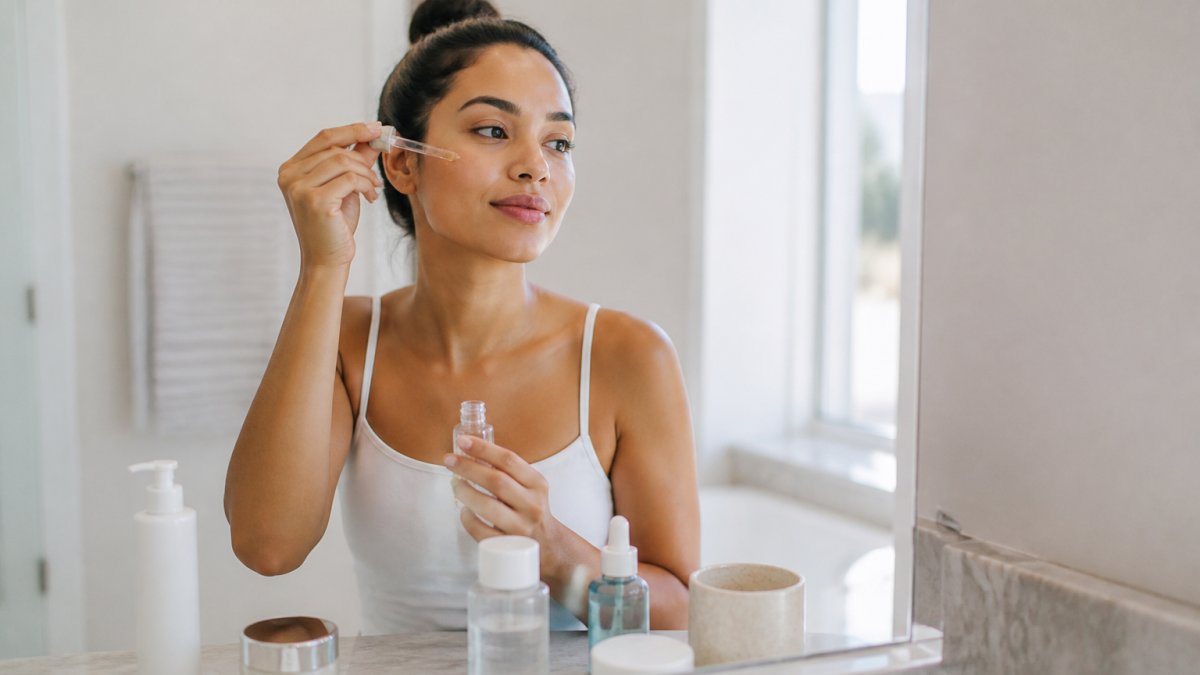
If you have sensitive skin, the Dark Spot Serum for Sensitive Skin uses natural extracts like adaptogenic mushrooms instead of typical brightening acids. For oily skin, the Dark Spot Serum contains kojic acid dipalmitate and niacinamide. Both work to visibly reduce dark spots, acne scars, and discoloration.


Add Vitamin C Serum to brighten your complexion and protect against future dark spots. Use it morning and night as part of your routine.

Consistency matters more than perfection. Use the same products every day for the full four weeks. Your skin needs time to adjust before treatment.
Your daily skincare routine should include these essential products starting four weeks before treatment.
| Product Type | Purpose | Frequency |
|---|---|---|
| Gentle cleanser | Remove impurities and prepare skin | Once or twice daily |
| Targeted serum for hyperpigmentation | Reduce dark spots and discoloration | Daily |
| Moisturizer | Hydrate and protect skin | Daily |
| Sunscreen | Protect against future dark spots | Every single day |
Step 2: Understand Chemical Peel Preparation for Hyperpigmentation
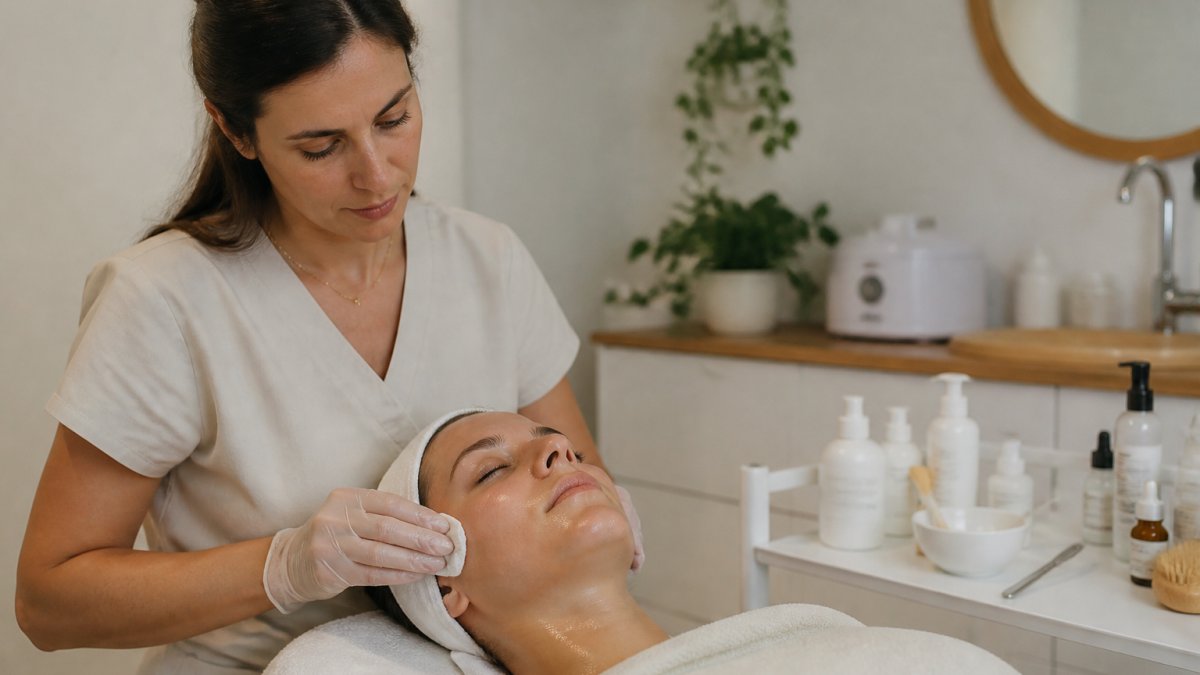
Chemical peels are a common treatment for hyperpigmentation. Understanding what happens during a peel helps you prepare properly.
A chemical peel uses acids or other solutions to remove the outer layers of skin. After your peel, use a soothing balm designed for post-peel recovery to calm and protect your skin. This removes discolored skin cells and stimulates new skin growth. The process sounds intense, but it's controlled and effective.
Before your peel appointment:
- Stop using retinoids or vitamin A products one week before
- Avoid other active ingredients like glycolic acid or salicylic acid
- Do not wax or use depilatory creams on the treatment area
- Skip any new skincare products in the final week
- Stay out of the sun as much as possible
A 12-week clinical study evaluated the efficacy and tolerability of a facial skincare regimen for hyperpigmented and photoaged skin, showing that proper preparation significantly improves treatment outcomes.
For more details on how peels work, read our related article: Are Professional Chemical Peels Worth It for Acne Scars?
Step 3: Know What to Avoid Before a Facial
Certain activities and products can irritate your skin and interfere with treatment. Avoid these in the week leading up to your appointment.
Skip these before your hyperpigmentation treatment:
- Hot baths or showers (use lukewarm water instead)
- Aggressive scrubs or exfoliating tools
- Harsh acids or strong actives
- Waxing or threading
- Laser hair removal
- Spray tans or self-tanning products
- Chlorine pools or hot tubs
- Direct sun exposure
Watch out: Aggressive exfoliation can irritate skin and worsen pigmentation. Harsh scrubs can backfire, making dark spots more noticeable.
Your skin barrier needs to be strong and healthy when you arrive for treatment. Each of these activities stresses your skin or damages its protective layer. Give your skin a break in the days before your appointment.
If you have a regular exercise routine, you can keep going. Just avoid activities that make you sweat heavily on your face or expose you to chlorine.
THE VANISHING RITUAL - DARK SPOT FADING REGIMEN →
Step 4: Questions to Ask an Esthetician About Dark Spots
Knowing what to ask your esthetician helps you get the best results. Come prepared with these questions.
Ask your esthetician:
- What type of hyperpigmentation do I have (melasma, post-inflammatory, sun damage)?
- Which treatment method is best for my skin type and concern?
- How many sessions will I need?
- What should I expect during and after treatment?
- What products should I use at home before and after?
- How long before I see results?
- What are the possible side effects?
- When can I return to my normal routine?
Your esthetician's answers will help you understand what to expect and how to care for your skin. This conversation is part of your preparation. It sets realistic expectations and makes sure you and your esthetician are on the same page.
At Liz Almanzar Esthetics in the Mystic area, we take time to answer every question. We want you to feel confident and informed before treatment begins.
Step 5: Master Sun Protection After Hyperpigmentation Treatment
Sun protection is the foundation of dark-spot care. It prevents hyperpigmentation from coming back and protects your skin while it heals.
The American Academy of Dermatology recommends tinted sunscreen with iron oxide for dark-spot care. Iron oxide provides physical protection against both UVA and UVB rays.
After your treatment, follow these sun protection rules:
- Apply sunscreen every day, even on cloudy days
- Use SPF 30 or higher
- Reapply every two hours if you're outside
- Wear a hat or visor when possible
- Avoid peak sun hours (10 a.m. to 4 p.m.)
- Stay in the shade when you can
Sun exposure after treatment can cause your hyperpigmentation to return or worsen. Strict sun protection after procedures and gentle aftercare are critical to help avoid treatment-induced hyperpigmentation. This is especially true in the first two weeks after treatment, when your skin is most vulnerable.
Step 6: Adjust Your Daily Routine in the Final Week
The week before your treatment appointment, simplify your skincare routine. This reduces the chance of irritation and lets your skin settle into a calm state.
Use only:
- Your gentle cleanser
- Your hyperpigmentation serum
- Your moisturizer
- Your sunscreen
Skip everything else. No new products. No experimentation. No active ingredients.
If you take any medications, check with your doctor before treatment. Some medications like certain antibiotics or birth control can affect how your skin responds to treatment. Your esthetician needs to know this information.
The night before your appointment, get good sleep. Your skin repairs itself during sleep, and you'll heal better after treatment if you're well-rested.
Book Your Hyperpigmentation Treatment Consultation
Preparing your skin properly sets you up for success. The steps above take time and attention, but they work. Your skin will respond better to treatment, heal faster, and deliver the results you want.
At Liz Almanzar Esthetics in the Mystic area, we guide you through every step of preparation and aftercare. Our professional and inviting environment ensures you feel comfortable and confident. We tailor each treatment to your specific skin concerns and skin type, so your results match your goals.
Ready to fade those dark spots? Book your hyperpigmentation treatment consultation today and let us show you what properly prepared skin can achieve.
Frequently Asked Questions
How should I prepare my skin before hyperpigmentation treatment?
Begin preparing your skin 4 weeks before treatment by establishing a consistent skincare routine with gentle cleansing twice daily and a hydrating moisturizer. Introduce a targeted dark spot serum, like those with niacinamide or kojic acid, to begin fading discoloration. Avoid harsh exfoliants, retinol, and vitamin C products 1-2 weeks before your appointment. Apply broad-spectrum SPF 30+ daily, as sun exposure can darken hyperpigmentation and complicate treatment. Consult your esthetician about your specific skin type and any medications you're taking.
What should I avoid before a chemical peel for dark spots?
Stop using retinol, retinoids, and vitamin A products at least 1 week before a chemical peel. Discontinue exfoliating scrubs, acids (AHAs, BHAs), and vitamin C serums 3-5 days prior. Avoid sun exposure and tanning beds for at least 1 week before treatment. Do not wax, pluck, or use depilatory products on the face 48 hours beforehand. Skip harsh or irritating skincare products. If you have a history of cold sores, mention this to your esthetician, as chemical peels can trigger an outbreak.
Should I stop using retinol before a hyperpigmentation facial?
Yes. Stop retinol use 1-2 weeks before your facial appointment. Retinol thins the skin's outer layer and can increase sensitivity, making your skin more prone to irritation during treatment. Continuing retinol right up to your appointment also increases the risk of post-treatment redness and peeling. After your facial, follow your esthetician's guidance on when to resume retinol, typically 3-7 days after treatment, depending on the intensity of the procedure.
How do I protect my skin after treatment to prevent dark spots from returning?
Sun protection is the foundation of post-treatment care. Use broad-spectrum SPF 30 or higher every day, even on cloudy days. The American Academy of Dermatology recommends tinted sunscreen with iron oxide for added protection against visible light and infrared radiation, which can trigger hyperpigmentation. Reapply sunscreen every 2 hours if you're outdoors. Avoid direct sun exposure for at least 1 week after treatment. Continue using a gentle skincare routine with hydrating serums and moisturizers. Ask your esthetician when it's safe to reintroduce active ingredients like vitamin C or niacinamide serums.
Hyperpigmentation doesn't have to be permanent. With the right preparation, the right treatment, and the right aftercare, you can have the clear, even-toned skin you deserve. Start your four-week preparation routine now, and you'll be ready for treatment that actually works.