 How-to
How to Clear Hormonal Acne Naturally
Table of Contents
- Understanding Hormonal Acne and Why It Forms
- Build a Hormonal Acne Skincare Routine That Works
- Natural Remedies for Hormonal Acne to Reduce Breakouts
- How Long Does Hormonal Acne Take to Clear Naturally
- When to See a Dermatologist for Hormonal Acne
- Common Mistakes That Make Hormonal Acne Worse
- Professional Facial Treatments to Support Your Routine
- Frequently Asked Questions
Last Updated: October 21, 2026
Understanding Hormonal Acne and Why It Forms
Hormonal acne is breakouts triggered by fluctuations in hormones rather than bacteria or dirt alone. At Liz Almanzar Esthetics in Mystic, CT, we understand how frustrating it can be when standard treatments don't work for specific types of acne.
This type of acne typically appears along the jawline, chin, and lower face. It often worsens during specific times of your cycle or during hormonal shifts. Unlike typical acne, hormonal breakouts tend to be deeper, more painful, and slower to heal.
The key difference is what triggers the breakout. Hormonal acne forms when your body produces excess oil in response to hormone changes. Your skin becomes more congested, and bacteria thrive in that environment. Understanding this helps you know how to clear hormonal acne naturally, you're not just treating surface bacteria, you're managing your skin's oil production and inflammation.
Build a Hormonal Acne Skincare Routine That Works
The foundation for learning how to clear hormonal acne naturally starts with a consistent, gentle skincare routine. Your routine should focus on removing excess oil without damaging your skin barrier. A damaged barrier leads to more irritation and worse breakouts.
The best hormonal acne skincare routine has three core steps: cleanse, treat, and moisturize. Each step matters equally. Skip moisturizing and your skin overcompensates by producing more oil. Over-cleanse and you trigger irritation that worsens breakouts.
Step 1: Cleanse Gently Without Stripping
Start with a cleanser that removes oil without harsh sulfates. Look for cleansers with charcoal or clay if your skin is very oily, but use them no more than once daily. Over-cleansing strips your skin and causes rebound oil production.
Cleanse morning and night. Use lukewarm water, not hot. Hot water damages your skin barrier and increases inflammation. Massage the cleanser in circular motions for about 30 seconds.
Step 2: Use Targeted Treatments for Active Breakouts
After cleansing, apply a targeted treatment to active breakouts. Natural options include tea tree oil (diluted), salicylic acid from willow bark, or niacinamide serums. These ingredients help reduce oil, calm inflammation, and prevent bacteria from multiplying.
Apply treatment only to breakout areas. Don't cover your entire face. Spot treatments are more effective and less likely to over-dry your skin. Wait 2-3 minutes for the treatment to dry before applying moisturizer.
Products like The Clear Skin Blueprint Starter Kit include targeted serums designed for acne-prone skin. The kit includes an Aloe & Tea Tree Serum and a Dark Spot Serum specifically formulated to address breakouts and the discoloration they leave behind.

Step 3: Moisturize to Support Skin Barrier Health
This step is non-negotiable. Moisturizing strengthens your skin barrier, reduces irritation, and actually helps control oil production. Use a lightweight gel cream or hydrating serum, not heavy creams that can clog pores.
Apply moisturizer to damp skin. This helps lock in hydration. Look for ingredients like glycerin, hyaluronic acid, or ceramides. These hydrate without adding excess oil.
Natural Remedies for Hormonal Acne to Reduce Breakouts
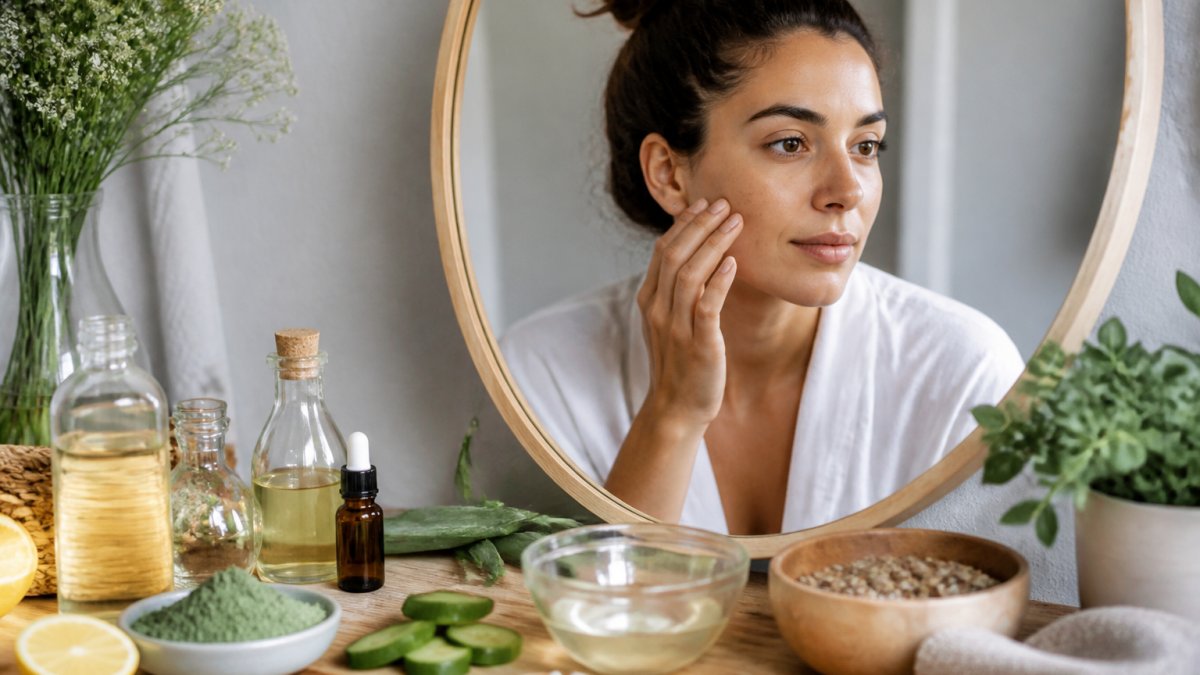
Beyond your daily routine, specific natural approaches support clearer skin. These work best alongside a solid skincare routine, not as replacements for it.
Dietary Adjustments That May Help
What you eat influences hormone levels and skin inflammation. Many people find that reducing dairy and high-glycemic foods helps reduce breakouts. Dairy contains hormones that may trigger excess sebum production. High-glycemic foods spike insulin, which can increase androgens and oil production.
Focus on these instead:
- Fatty fish rich in omega-3s to reduce inflammation
- Leafy greens and vegetables for antioxidants
- Whole grains instead of refined carbs
- Lean proteins to stabilize blood sugar
- Nuts and seeds for zinc and healthy fats
Zinc is especially important for hormonal acne. It supports hormone balance and reduces inflammation. Many people with hormonal acne have lower zinc levels.
Drink plenty of water. Hydration supports your skin's ability to heal and reduces the concentration of hormones in sweat. Aim for at least 8 glasses daily, more if you exercise.
Lifestyle Changes to Support Clearer Skin
Sleep directly impacts hormone balance. Poor sleep increases cortisol, which triggers oil production and inflammation. Aim for 7-9 hours nightly. Your skin repairs itself during sleep, so consistent sleep is when healing happens.
Stress management matters more than most people realize. Stress hormones increase sebum production and inflammation. Regular movement, meditation, or time outdoors all help reduce stress hormones.
Exercise supports hormone balance but can also trigger breakouts if you don't manage sweat and bacteria. Change out of sweaty clothes quickly. Shower after workouts. Wear breathable fabrics during exercise.
Track your breakouts against your cycle if you menstruate. Most hormonal acne follows a predictable pattern. Knowing when breakouts typically appear helps you prepare with extra care during those days. Some people increase their targeted treatments during high-breakout phases.
How Long Does Hormonal Acne Take to Clear Naturally
Hormonal acne takes longer to clear than other types of acne. Most people see improvement within 6-8 weeks of consistent skincare and lifestyle changes. Deeper hormonal breakouts may take 12 weeks to fully resolve.
The timeline depends on how severe your acne is and how consistently you follow your routine. Missing days or switching products frequently slows progress. Your skin needs time to adapt and heal.
Don't expect overnight results. Hormonal acne formed over time, and it clears over time. Patience is essential. Many people give up after 2-3 weeks because they don't see immediate change. That's too soon to judge effectiveness.
You'll notice improvement in stages. First, breakouts become less painful. Then they flatten faster. Finally, post-breakout marks fade. This progression takes weeks, not days.
When to See a Dermatologist for Hormonal Acne
Some hormonal acne requires professional treatment. See a dermatologist if:
- Your acne is severe or covers large areas of your face
- Natural approaches haven't improved breakouts after 12 weeks
- Your acne causes scarring or deep cysts
- You suspect an underlying hormonal condition
A dermatologist can test hormone levels and recommend treatments like birth control, spironolactone, or prescription retinoids. These work alongside natural approaches, not instead of them.
Dermatologists can evaluate whether your acne is purely hormonal or if other factors are involved. Professional evaluation ensures you get appropriate treatment.
Common Mistakes That Make Hormonal Acne Worse
Understanding what worsens hormonal acne helps you avoid setbacks.
Over-treating your skin. Using too many actives or applying treatments too frequently damages your barrier. More products don't mean faster results. Stick to one or two targeted treatments.
Switching products constantly. Your skin needs 4-6 weeks to adjust to new products. Changing weekly prevents you from seeing real results. Give each routine at least a month before deciding if it works.
Skipping moisturizer. This is the biggest mistake people make. They think moisturizer causes more acne, so they skip it. A compromised barrier actually produces more oil and breakouts.
Ignoring stress and sleep. You can have the perfect skincare routine, but if you're stressed and sleep-deprived, hormonal acne persists. These factors matter as much as topical treatments.
Using pore-clogging makeup. Heavy foundations and powders trap oil and bacteria. Use non-comedogenic, lightweight makeup during breakout phases. Or skip makeup entirely on breakout days.
Touching your face. Your hands transfer bacteria and oil to your skin all day. This worsens hormonal breakouts. Be aware of how often you touch your face and stop.
Professional Facial Treatments to Support Your Routine
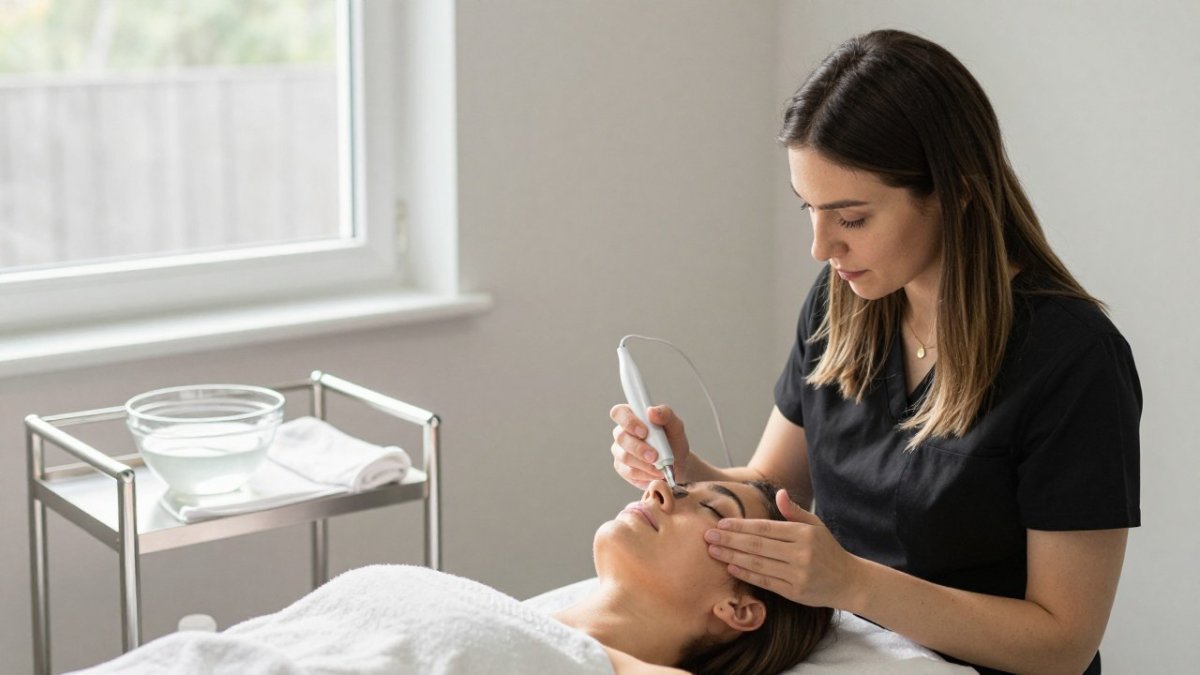
Professional facials designed for acne-prone skin accelerate results when combined with your home routine. Facials remove buildup, reduce inflammation, and support healing.
At Liz Almanzar Esthetics in Mystic, CT, we offer rejuvenating facials tailored to address acne and hormonal skin concerns. Professional treatments extract congestion that home routines can't reach. They also provide professional-grade ingredients in concentrations stronger than over-the-counter products.
A professional facial for hormonal acne typically includes:
- Gentle cleansing to remove surface buildup
- Targeted exfoliation to remove dead skin cells
- Extraction of comedones (if appropriate for your skin)
- Application of professional-grade serums and masks
- Calming treatments to reduce inflammation
Facials work best when spaced 3-4 weeks apart. This timing allows your skin to complete its healing cycle between treatments. Monthly facials combined with your home routine show visible improvement in 2-3 months.
Professional estheticians also assess your skin and recommend adjustments to your home routine. They spot issues you might miss. This guidance accelerates your progress toward clearer skin.
Hormonal acne is frustrating, but it's manageable with the right approach. The combination of a consistent skincare routine, natural remedies, lifestyle adjustments, and professional support creates real change. Most importantly, give your skin time to heal. Consistency beats perfection.
At Liz Almanzar Esthetics, we understand hormonal acne and how to clear it naturally. Our team specializes in facials designed for acne-prone skin and can guide you through building a routine that works. Book a Service with us to start your journey toward clearer, healthier-looking skin with personalized care tailored to your specific needs.
| Approach | Timeline | Best For |
|---|---|---|
| Home skincare routine | 6-8 weeks | Mild to moderate acne |
| Adding natural remedies | 8-12 weeks | Moderate acne with hormonal triggers |
| Professional facials monthly | 8-12 weeks | Accelerating results alongside home care |
| Dermatologist consultation | Varies | Severe acne or suspected hormonal conditions |
According to the American Academy of Dermatology, hormonal acne accounts for a significant portion of adult acne cases, particularly in women. Understanding your specific acne type is the first step toward effective treatment.
Research from the Journal of Clinical and Aesthetic Dermatology shows that combination approaches addressing both topical care and lifestyle factors produce better long-term results than single-method treatments.
The National Institutes of Health provides evidence-based information on how hormonal fluctuations affect skin health and breakout patterns, helping you understand why your acne follows the patterns it does.
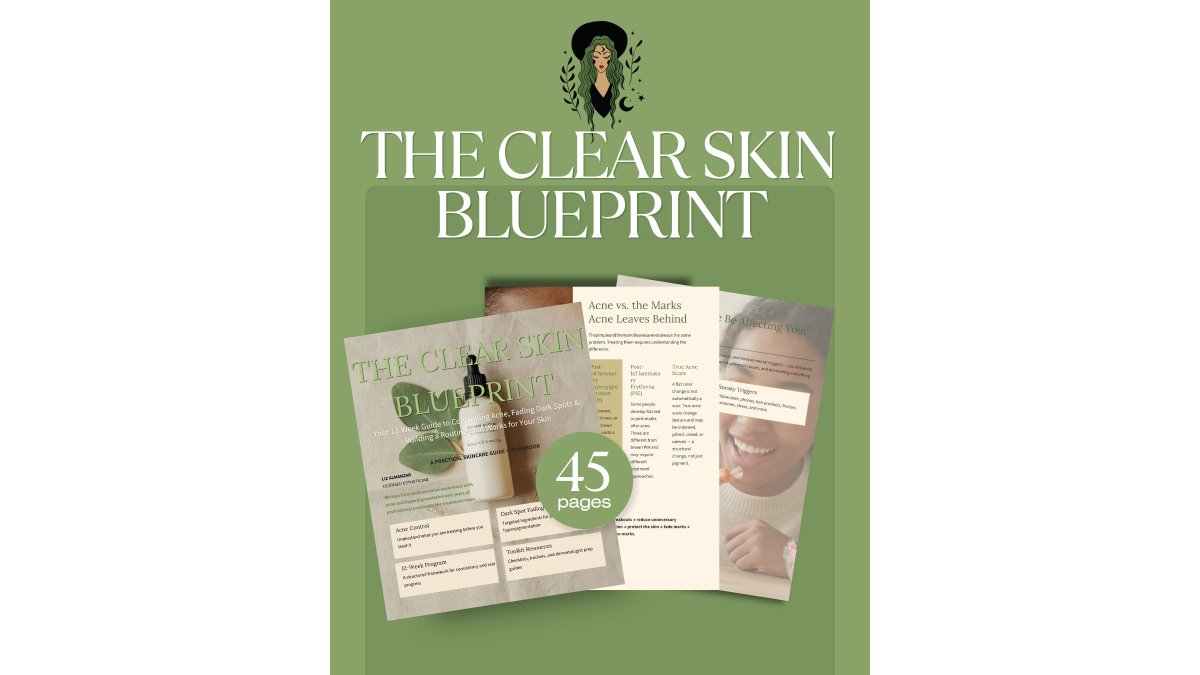
For a comprehensive guide to building your skincare foundation, consider The Clear Skin Blueprint. Created by a licensed esthetician with over 8 years of experience, this 45-page digital guide includes a 12-week skincare program and expert education to help you understand and manage hormonal acne naturally.
Frequently Asked Questions
Can hormonal acne be cleared naturally?
Yes, hormonal acne can improve with natural approaches, though results depend on severity and consistency. A dedicated skincare routine targeting excess oil and inflammation, combined with dietary changes and stress management, helps many people reduce breakouts. However, if acne persists despite these efforts or significantly impacts your quality of life, professional treatment from a dermatologist may be necessary to address underlying hormonal factors.
What natural remedies may help hormonal acne?
Several natural approaches support clearer skin: reducing refined sugars and dairy, staying hydrated, managing stress through sleep and relaxation, and using skincare products with tea tree oil or salicylic acid. Spearmint tea is often discussed in acne communities for hormonal support. Consistency matters more than any single remedy, most people need 4-8 weeks of steady effort to notice improvement in how their skin responds.
How long does it take for natural acne treatments to work on hormonal breakouts?
Most people see initial improvements in 4-6 weeks with a consistent routine, though significant clearing often takes 8-12 weeks or longer. Hormonal acne cycles with your menstrual cycle, so tracking breakout patterns helps you understand what's working. If you see no improvement after 8-12 weeks of consistent effort, schedule a consultation with a dermatologist to rule out other factors and discuss professional options.
When should I see a dermatologist about hormonal acne?
Consider seeing a dermatologist if acne covers large areas of your face or body, causes significant scarring or dark spots, severely affects your confidence, or doesn't improve after 8-12 weeks of consistent natural approaches. Also seek professional help if breakouts are painful, cystic, or concentrated around your jawline and chin, as these patterns often signal hormonal involvement that may benefit from medical evaluation and treatment options.