 How-to
How to Treat Stubborn Acne: A Step-by-Step Plan
Last Updated: November 5, 2026
Quick Summary
To treat stubborn acne, use a simple daily routine built on one proven active ingredient, such as benzoyl peroxide, salicylic acid or a retinoid, paired with a gentle cleanser, a light moisturizer and daily sunscreen. Give it at least 6 to 8 weeks before judging results, and see a dermatologist if breakouts persist after two to three months.
- Benzoyl peroxide and topical retinoids are among the most common first-line acne options.
- Give a routine at least 6 to 8 weeks before judging whether it works.
- Use one active in the morning and a different one at night to avoid irritation.
- Over-the-counter adapalene is available without a prescription in the United States.
- See a dermatologist if acne is painful, scarring or unresponsive after a few months.
Table of Contents
- Why Your Acne Keeps Coming Back
- Building an Acne Treatment Routine That Works
- Choosing Active Ingredients: Benzoyl Peroxide, Salicylic Acid, and Retinoids
- How Long Acne Treatment Takes to Work
- Habits and Mistakes That Can Undermine Your Results
- When to See a Dermatologist for Stubborn Acne
- Booking Your Skin Consultation in Groton
- Frequently Asked Questions
Why Your Acne Keeps Coming Back
If your breakouts keep returning, you are not alone, and it is usually not because you lack effort. Acne is a long-term skin condition, and stubborn cases often come from a mix of oil, clogged pores, bacteria and inflammation.
Dermatologists generally recommend a small set of proven treatments for acne. Benzoyl peroxide and topical retinoids are among the most common first-line options, according to the American Academy of Dermatology's acne-care guideline (American Academy of Dermatology acne-care guideline published in the Journal of the American Academy of Dermatology). A 2024 review also notes that topical medicines such as retinoic acid and benzoyl peroxide are generally recommended as first-line treatment for mild acne (Acne treatment: research progress and new perspectives, 2024 review).
The problem for many people is not the lack of options. It is using them the wrong way, too briefly, or with too many products at once.
Common Triggers That Keep Breakouts Going
Several everyday habits can keep acne active:
- Touching or picking your face, which spreads bacteria and worsens inflammation
- Heavy or pore-clogging products, such as thick makeup or oily hair products that touch the skin
- Sweat and friction, from helmets, gym gear or phones held against the cheek
- Harsh scrubbing, which can irritate the skin barrier and make breakouts look redder
- Changing products too often, so no single treatment gets enough time to work
Hormones, family history and some medications can also play a role. If your acne is strongly linked to your cycle or is worsening, a dermatologist can help sort out the cause.
Building an Acne Treatment Routine That Works
A simple routine that you use every day beats a complicated one you drop after a week. Start with a gentle cleanser, one active treatment and a light moisturizer. Add more only after your skin has settled.
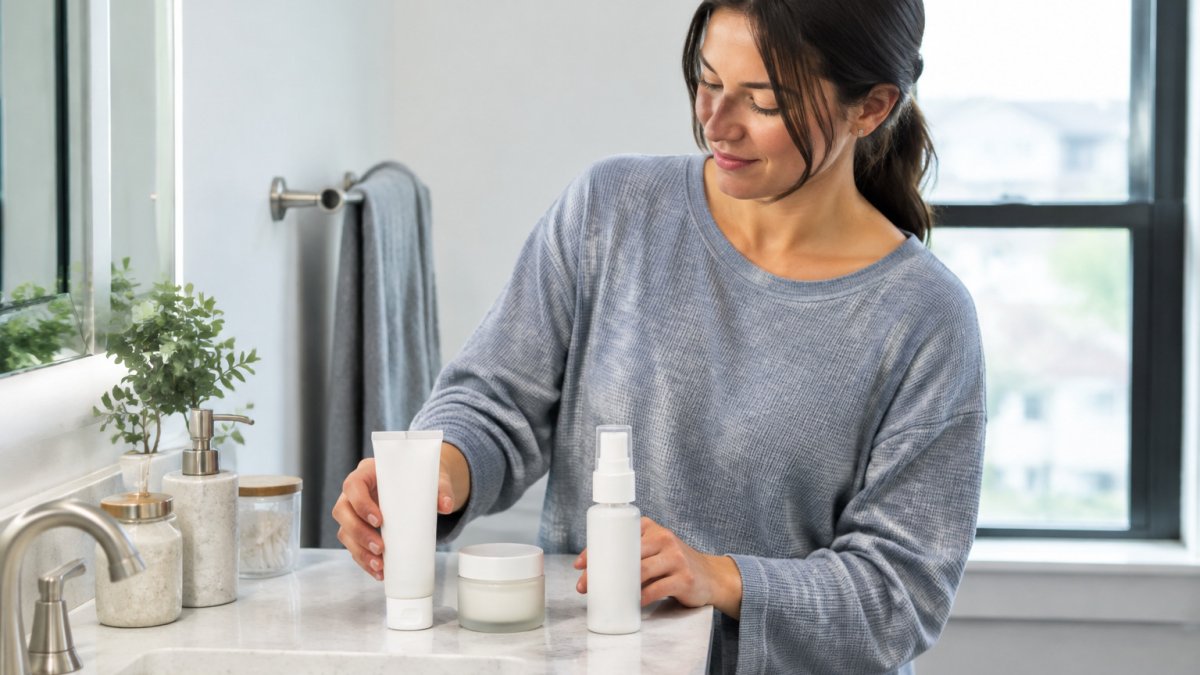
Cleansing, Treating, and Moisturizing Step by Step
- Cleanse twice a day. Use a gentle, non-comedogenic cleanser. Wash with lukewarm water, not hot, and pat dry.
- Apply your active treatment. Use it on clean, dry skin, usually once a day at first. Start with a small amount.
- Moisturize. Dryness from acne treatments can cause flaking, so a light, oil-free moisturizer helps your skin stay comfortable.
- Use sunscreen in the morning. Many acne treatments make skin more sensitive to the sun.
Give a routine at least 6 to 8 weeks before you judge it, since patience is essential when you treat stubborn acne. Stopping early is one of the most common reasons people feel stuck.
Choosing Active Ingredients: Benzoyl Peroxide, Salicylic Acid, and Retinoids
Each active ingredient works on a different part of the acne cycle, so the right choice depends on your skin type, how sensitive your skin is, and whether your breakouts are mostly blackheads and whiteheads or deeper inflamed lesions. Most practitioners find that one well-chosen active used consistently beats three actives used sporadically.
Benzoyl Peroxide
Benzoyl peroxide targets Cutibacterium acnes, the bacterium linked to inflamed acne. Starting with a lower strength is often a gentler approach. Benzoyl peroxide can bleach towels, pillowcases, and clothing, so white linens and white shirts are the practical choice during treatment. It can also dry out the skin, which is why a light moisturizer matters.
Salicylic Acid
Salicylic acid is a beta hydroxy acid that is oil-soluble, which means it can get into the pore lining and help loosen the dead skin cells that contribute to clogged pores. It is most useful for blackheads, whiteheads, and mildly inflamed acne in oily skin. Over-the-counter cleansers and toners typically range from 0.5% to 2%. Salicylic acid is gentler than benzoyl peroxide for many people, but it can still sting or dry the skin if layered with other exfoliating acids.
Retinoids
Topical retinoids speed up skin cell turnover and help prevent new clogged pores from forming, which makes them one of the most reliable long-term acne treatments. Over-the-counter options include adapalene, which is available without a prescription in the United States. Prescription retinoids such as tretinoin are stronger and require a dermatologist. Retinoids often cause dryness, flaking, and a temporary purge in the first several weeks, so most practitioners recommend starting two to three nights a week and building up slowly. They also make skin more sun-sensitive, so daily sunscreen is non-negotiable.
How to Layer Them Without Irritating Your Skin
A common mistake is stacking a benzoyl peroxide wash, a salicylic acid toner, and a retinoid in the same routine. That combination can strip the skin barrier and cause redness, stinging, and peeling that looks like a flare but is actually irritation.
Watch out: If your skin stings when you apply moisturizer or water, that is a sign your barrier is compromised, pull back to a gentle cleanser and moisturizer for a week before reintroducing actives.
Prescription vs. Over-the-Counter: What Changes
When over-the-counter actives have not worked after two to three months, a dermatologist can add prescription options such as tretinoin, topical clindamycin, or oral antibiotics for inflammatory acne. The key difference is strength and formulation, not a completely different mechanism. If you are already using an over-the-counter retinoid like adapalene, a dermatologist may switch you to tretinoin rather than adding a second retinoid on top, since layering two retinoids increases irritation without adding benefit. Similarly, a prescription benzoyl peroxide product may replace, not stack with, your over-the-counter wash.
Spot treatments can help with single, active breakouts.
THE CLEAR SKIN BLUEPRINT STARTER KIT | E-Book + 3 Full Size Acne Products →
The table below sums up what each main active ingredient targets and how to use it, based on the guidance above.
| Active | Best for | Key difference |
|---|---|---|
| Benzoyl peroxide | Inflamed acne | Targets C. acnes bacteria; can bleach towels and clothing |
| Salicylic acid | Blackheads, whiteheads, mild inflammation | Oil-soluble; helps loosen clogged pores; 0.5% to 2% OTC |
| Retinoids | Long-term prevention of clogged pores | Speeds cell turnover; causes dryness and purging early on |
| Adapalene | Over-the-counter retinoid option | Available without a prescription in the United States |
| Tretinoin | Stronger prescription retinoid | Requires a dermatologist; replaces, not stacks with, adapalene |
How Long Acne Treatment Takes to Work
Most acne treatments need consistent use for several weeks before you see clear improvement.
Early on, your skin may look worse before it improves. This purging-like phase can happen with retinoids and some exfoliating acids. Mild redness and flaking are normal, but burning, swelling or blistering are signs to stop and talk to a professional.
If a product has not shown any progress after two to three months of steady use, that is a good time to get a professional opinion.
Habits and Mistakes That Can Undermine Your Results
Even a good routine can fail if daily habits work against it. Watch for these common mistakes:
- Using several strong actives at once, which can irritate the skin
- Skipping moisturizer and making the skin barrier more fragile
- Expecting results in a week and switching products too soon
- Squeezing or popping lesions, which can cause scarring
- Skipping sunscreen while using retinoids or acids
When to See a Dermatologist for Stubborn Acne
See a dermatologist if your acne is painful, leaves dark marks or scars, spreads across the body, or does not improve after a few months of consistent over-the-counter care. Deep, cystic breakouts should also be checked, since they respond better to prescription options than to most store products. A good rule of thumb is that if you have used one or two proven actives consistently for eight to twelve weeks and you are still getting new inflamed lesions, it is time to escalate.
What a Dermatology Visit Actually Involves
A first dermatology visit for acne is usually a focused appointment. The dermatologist will look at your skin, ask about your current routine, your cycle if relevant, family history, and any medications that could be contributing. They may recommend a prescription topical, an oral medication, or a combination. They can also rule out other causes of breakouts, such as rosacea or folliculitis, which can look like acne but need different treatment. Bringing a list of every product you currently use, including cleansers, moisturizers, and sunscreen, makes the visit more productive.
Finding a Dermatologist Near Groton, CT
Groton sits in New London County, and patients in the area typically look for care in Groton, New London, Waterford, or Mystic. A practical starting point is your primary care provider, who can often place a referral to a dermatologist in the New London area. You can also search your health plan's provider directory for board-certified dermatologists accepting new patients in New London County.
Navigating Insurance and Cost
Acne treatment is generally covered by most United States health insurance plans when it is medically necessary, but coverage varies by plan. Before booking, call the number on the back of your insurance card and ask three questions: Is this dermatologist in-network? Is a referral required? What is my copay for a specialist visit? If you are uninsured or between plans, community health centers in the New London area and telehealth dermatology services are often lower-cost options.
The Psychological Side of Stubborn Acne
Stubborn acne is not just a skin problem. Many people with persistent breakouts report anxiety, low mood, and avoidance of social situations, and the frustration of trying product after product can make it worse. If acne is affecting your mental health, that is a legitimate reason to seek care sooner rather than later. A dermatologist or a licensed esthetician can help you set realistic expectations and build a plan that reduces the cycle of trying and abandoning products.
What to Do While You Wait
If you are on a waitlist for a dermatologist, keep your routine simple: a gentle cleanser, one active, a light moisturizer, and daily sunscreen. Avoid adding new products or strong exfoliants, since a calm, consistent routine gives the dermatologist a clearer baseline to work from.
Booking Your Skin Consultation in Groton
If you have tried several products and your acne still keeps coming back, a professional skin consultation can help you find a clear next step. At Liz Almanzar Esthetics, we can talk through your skin concerns, review your current routine and suggest options that fit your skin type and goals. Book a skin consultation to start a plan you can actually follow.
Frequently Asked Questions
How long does acne treatment take to work?
Most topical acne treatments need several weeks of consistent use before you see clear improvement. Benzoyl peroxide and topical retinoids are commonly used first-line treatments for mild acne. Stopping and starting products resets that clock, so pick one routine and give it a fair trial before changing course. If you see no meaningful change after that, or if breakouts are getting worse, book a visit with a dermatologist rather than adding more products.
Why won't my acne go away even when I use over-the-counter products?
Persistent acne often has several contributing causes, including hormonal shifts, skin irritation from too many products, and pore-clogging habits that go unnoticed. Over-the-counter products are usually a good starting point, but they may not be strong enough for deeper or cystic breakouts. Prescription options such as topical retinoids, topical antibiotics, and oral isotretinoin may be appropriate in some cases. A dermatologist can help determine which of these fits your skin.
When should you see a dermatologist for stubborn acne?
See a dermatologist if your acne has lasted several months despite consistent over-the-counter care, if breakouts are deep, painful, or cystic, or if they are leaving scars or dark marks. Acne that affects your confidence or mood is also a valid reason to get professional help. A dermatologist can evaluate your skin, rule out other conditions, and discuss prescription treatments. Bring a list of the products you have already tried so the visit starts from what you know.
Stubborn acne rarely clears with one product or one quick fix. Start with a simple routine, give it time, and get professional help when progress stalls. Healthy skin starts with consistency and the right guidance.