 How-to
Can Chemical Peels Improve Skin Texture?
Last Updated: November 16, 2026
Quick Summary
Yes, chemical peels can improve skin texture for many people. They loosen the outer layer of dead skin cells that makes skin look rough and dull, and as the skin heals it sheds the damaged layer and produces fresh skin in its place.
- Peels are grouped into superficial, medium, and deep depths, and depth determines the realistic texture change.
- Superficial peels usually involve little to no downtime, so you can return to normal life the same day.
- Peels are not the same for every skin type, so tell your provider about active breakouts or medications first.
- Sunscreen every day after a peel matters, since skipping it can trigger new dark spots.
- Expect gradual improvement over several weeks and a series of sessions rather than overnight results.
Table of Contents
- How Chemical Peels Work to Smooth Skin Texture
- Light vs. Deep Peels: Choosing the Right Depth
- Chemical Peel Side Effects on Face: What's Normal and What's Not
- How Long Does a Chemical Peel Take to Work?
- Chemical Peel Aftercare for Smoother Results
- Chemical Peel Before and After: Setting Realistic Expectations
- Booking a Consultation to Find Your Best Peel
- Frequently Asked Questions
How Chemical Peels Work to Smooth Skin Texture
Yes, chemical peels can improve skin texture for many people. Chemical peels are used to help loosen the outer layer of dead skin cells, which can leave skin looking rougher and duller.
A chemical peel uses a solution applied to the skin to create a controlled injury at a set depth. For a broader look at how professional facials support skin texture, read how facials help with skin texture. Review describing chemical peels as a controlled injury that stimulates new skin growth and improves surface texture As the skin heals, it sheds the damaged outer layer and produces fresh skin in its place.
This process supports smoother skin. Cell turnover, the natural cycle of shedding old cells, can slow over time. A peel can help that process along.
- Removes dead skin cells from the surface
- Encourages fresh skin to form
- Can make rough or uneven areas feel smoother
Watch out: Peels are not the same for every skin type. Skin that is sensitive, irritated or recently treated may react badly, so tell your provider about any active breakouts or medications first.
Light vs. Deep Peels: Choosing the Right Depth
Peels are usually grouped into three depth tiers, and the tier, not the brand name on the bottle, is what determines how much texture change is realistic and how much recovery you should plan for. Most practitioners describe them like this:
- Superficial (light) peels reach only the outermost layer of skin. Common agents include alpha-hydroxy acids such as glycolic and lactic acid, beta-hydroxy acid (salicylic acid), and low-strength trichloroacetic acid (TCA). Expect mild redness and light flaking rather than visible sheets of peeling, with little to no true downtime.
- Medium peels reach into the epidermis and the upper dermis. They typically use higher-strength TCA, sometimes combined with another acid. Expect more noticeable peeling, several days of redness, and a recovery window that most people plan around a long weekend or a few days off from strong actives and makeup.
- Deep peels reach the deeper dermis and are generally built around high-strength TCA or phenol. These produce the most dramatic texture change and carry the highest risk of scarring, pigment change, and prolonged healing.
A Decision Framework, Not a Menu
Choosing a depth is not about picking the strongest option. It is about matching four variables:
- The concern. Mild dullness and surface roughness usually respond to a series of superficial peels. Acne-related texture and shallow scarring often need medium depth to see meaningful change. Deep folds and significant scarring are generally outside what most estheticians will treat and belong in a physician's plan.
- Skin sensitivity and barrier health. Skin that is irritated, actively breaking out, or recently treated with retinoids or acids needs to calm down before any peel.
- Downtime tolerance. If you cannot hide for a week, a medium or deep peel is the wrong first step regardless of your goals. Superficial peels let you return to normal life the same day.
- Pigment history. This is the variable most people underestimate. If you have a history of post-inflammatory hyperpigmentation, melasma, or you tan easily, deeper peels raise the risk of triggering new dark patches. A cautious provider will start superficial, patch-test, and build up rather than jump to a stronger peel.
Skin Tone and Pigment Risk
Peels are not one-size-fits-all across skin tones. Richer skin tones and anyone with a personal or family history of dark spots after injury, acne, or waxing need a more conservative plan. The goal is controlled exfoliation, not aggression. A provider experienced with diverse skin tones will often choose gentler acids, lower concentrations, and longer intervals between sessions, and will prep the skin with pigment-suppressing topicals before and after treatment.
Watch out: A peel that is too deep for your skin type can cause more texture problems than it solves, scarring and stubborn hyperpigmentation are the two most common reasons a peel goes wrong, and both are more likely when depth is pushed too fast.
What to Ask Before You Commit
When you consult a provider, ask which tier they are recommending and why, what agent and concentration they plan to use, how many sessions they expect, what your recovery will look like day by day, and what they will do if your skin reacts. A provider who can answer all five in plain language is a provider worth trusting with your skin.
Chemical Peel Side Effects on Face: What's Normal and What's Not
Some redness, tightness and flaking are common after a peel. These usually settle within days as the skin heals.
Contact a healthcare provider promptly if you notice severe pain, blistering, swelling that spreads, signs of infection such as pus or warmth, or any reaction that worries you.
The U.S. Food and Drug Administration warning about chemical peel products used without professional supervision also advises caution with peel products used without proper guidance. Professional treatment with a trained provider is the safer route.
How Long Does a Chemical Peel Take to Work?
Many people see early changes within a few days as dead skin sheds. Fuller improvements in texture often take several weeks to appear as new skin forms.
Results build over a series of sessions, so patience matters. Your provider can explain a realistic timeline for your skin.
Chemical Peel Aftercare for Smoother Results
Aftercare is where peels are won or lost. The treatment starts the process; the days that follow determine how smooth the result looks and whether you end up with a complication. Plan your recovery in phases rather than treating aftercare as a single checklist.
The First 24 to 72 Hours
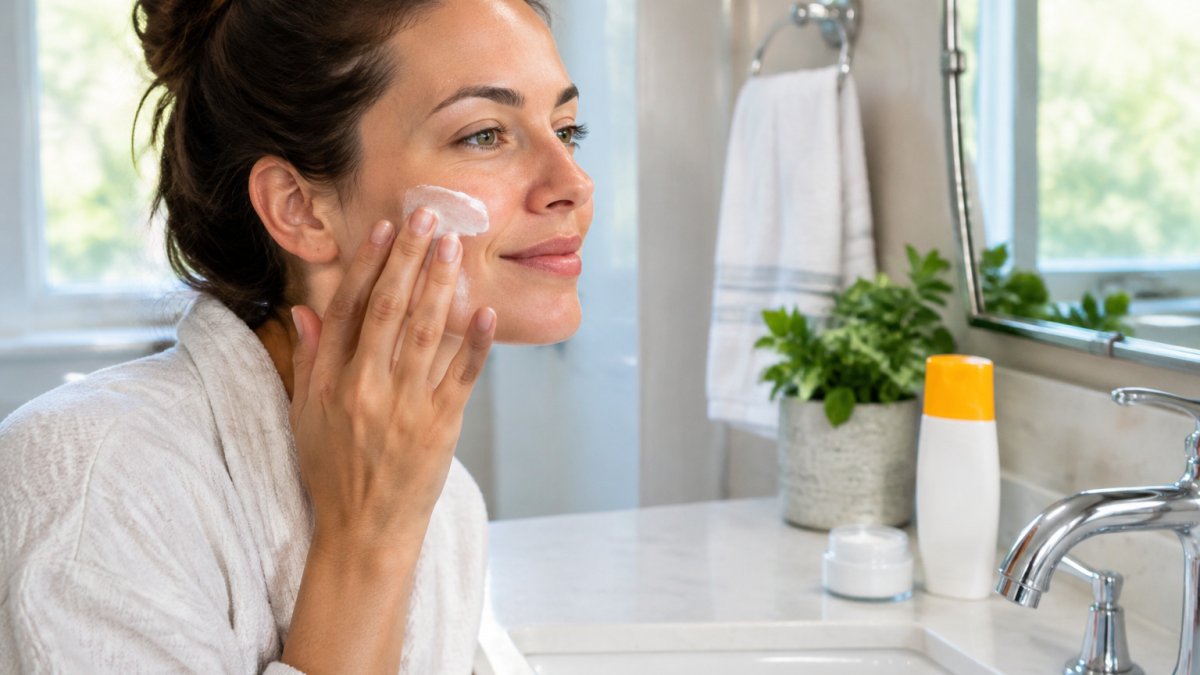
- Cleanse gently with a mild, fragrance-free cleanser and lukewarm, not hot, water. Pat dry; do not rub.
- Moisturize with a bland, occlusive-friendly cream. A simple ceramide or petrolatum-based moisturizer is usually enough; skip anything with fragrance, essential oils, or exfoliating acids.
- Skip makeup for at least the first day, and longer if your provider advises it, since removing it can irritate healing skin.
- Do not pick or peel flaking skin. Pulling skin before it is ready can cause scarring and dark spots.
Days 3 Through 7
This is when visible flaking or peeling usually shows up for superficial and medium peels. Keep moisturizing, keep hands off, and resist the urge to "help" the skin along. Avoid harsh scrubs, retinoids, strong acids, and any at-home exfoliating devices until your provider clears you. If you have a medium peel, expect redness to linger longer than the flaking.
Sun Protection Is Non-Negotiable
New skin is more vulnerable to ultraviolet damage, and sun exposure after a peel is one of the most common reasons pigment problems develop. Use a broad-spectrum sunscreen every day, reapply it regularly when you are outside, and lean on a hat and shade. If you have a peel scheduled during a high-sun season, plan your outdoor time around it.
Seasonal and Everyday Planning
- Summer: If you are outdoors a lot, a superficial peel with strict sunscreen discipline is usually a safer bet than a deeper peel you cannot protect.
- Fall and winter: Cooler, lower-UV months are a common window for medium-depth work because sun exposure is easier to manage, but sunscreen is still daily.
- Year-round: Keep your post-peel routine simple for at least a week or two. Add strong actives back only when your provider says so.
When to Call Your Provider
Mild redness, tightness, and flaking are expected. Contact your provider promptly if you notice severe pain, blistering, spreading swelling, pus, warmth, or a reaction that worries you. The U.S. Food and Drug Administration warning about chemical peel products used without professional supervision also advises caution with peel products used without proper guidance, professional treatment with a trained provider is the safer route, and that includes the aftercare plan.
Watch out: Skipping sunscreen for even a few days after a peel can undo weeks of progress by triggering new dark spots, especially on pigment-prone skin.
Chemical Peel Before and After: Setting Realistic Expectations
Before and after photos can be useful, but they only show part of the story. Results depend on skin type, the peel depth and how well you follow aftercare.
Expect smoother, brighter skin with gradual improvement, not overnight transformation. Ask your provider to show you realistic results for skin like yours.
Booking a Consultation to Find Your Best Peel
The best peel depends on your skin, your concerns and your health history. A consultation with a licensed professional is the best way to find out what fits you.
At Liz Almanzar Esthetics, we take time to understand your skin before recommending any treatment. Book a consultation to talk through your options and build a plan that suits you.
Ready to see whether a chemical peel fits your skin? Book a consultation with Liz Almanzar Esthetics and get a plan built around your skin's texture and tone.
Frequently Asked Questions
Can chemical peels improve skin texture?
Yes, chemical peels can improve skin texture by removing the outer layer of dead skin cells and stimulating cell turnover, which can leave skin feeling smoother. A chemical peel creates a controlled injury at a set depth to prompt new skin growth. Light peels tend to produce subtle changes that can build with repeated sessions, while deeper peels can address more pronounced roughness. Results vary by skin type, the concern being treated, and peel depth, so a consultation with a licensed esthetician or qualified provider helps determine whether a peel is a good fit for your skin.
How long does a chemical peel take to work?
Many people notice some smoothing soon after a light peel, but full results can take several weeks as the skin renews. Peeling and redness typically occur over several days after treatment, and the final texture changes become more visible as new skin settles. Light peels often require a series of sessions for gradual improvement, while deeper peels usually involve a longer recovery period before results are fully visible. Your provider can give you a timeline based on your skin and the peel you choose.
What are the side effects of chemical peels on the face?
Common side effects include redness, dryness, stinging, and flaking that can last several days, depending on peel depth. Some people experience temporary darkening of pigmentation, especially with darker skin tones, which is why professional guidance matters. Less common complications can include irritation, blistering, or changes in skin pigment. The U.S. Food and Drug Administration has warned consumers about unsupervised use of certain chemical peel products, so professional supervision is strongly recommended. Report unusual or worsening symptoms to your provider promptly.
How should you care for your skin after a chemical peel?
Aftercare typically focuses on gentle cleansing, a fragrance-free moisturizer, and daily sunscreen with broad-spectrum protection. Avoid picking or peeling skin, since this can increase the risk of scarring or pigment changes. Limit direct sun exposure and avoid harsh exfoliants or retinoids until your provider says your skin has recovered. Your esthetician will give you specific instructions based on the peel you received, and you should follow them closely for the best results.