 How-to
Why Facials Help With Skin Texture: A Guide
Table of Contents
- How Facials Improve Skin Texture
- Choosing a Facial for Uneven Skin Texture
- The Best Facial for Rough Skin and Congested Pores
- How Often to Get a Facial for Lasting Texture Results
- Facial Aftercare for Sensitive Skin
- Products That Support Your Results Between Facials
- What to Expect at a Facial Appointment in Groton, CT
- Conclusion: Texture Change Takes Consistency, Not One Appointment
- Frequently Asked Questions
Last Updated: October 13, 2026
How Facials Improve Skin Texture
Here's why facials help with skin texture: they clear away dead cell buildup on the surface, and they add moisture that plumps the skin from within. Skin that feels rough, looks dull, or shows clogged pores usually needs both steps, not just one.
A facial is a professional skin treatment that combines cleansing, exfoliation, extraction, and hydration in a single session. The goal is simple: remove what's sitting on top of the skin, then put back what it's missing.
Here's why that matters for texture.
Exfoliation Removes the Buildup That Makes Skin Feel Rough
Dead skin cells pile up on the surface over time. That layer is what makes skin feel gritty and look flat.
- It blocks light, so skin looks dull
- It traps oil, which leads to clogged pores
- It makes fine lines look deeper than they are
- It stops moisturizers from soaking in properly
A professional exfoliation removes that layer gently and evenly. At-home scrubs often miss spots or irritate the skin. A trained esthetician can assess how much exfoliation your skin can handle in one session.
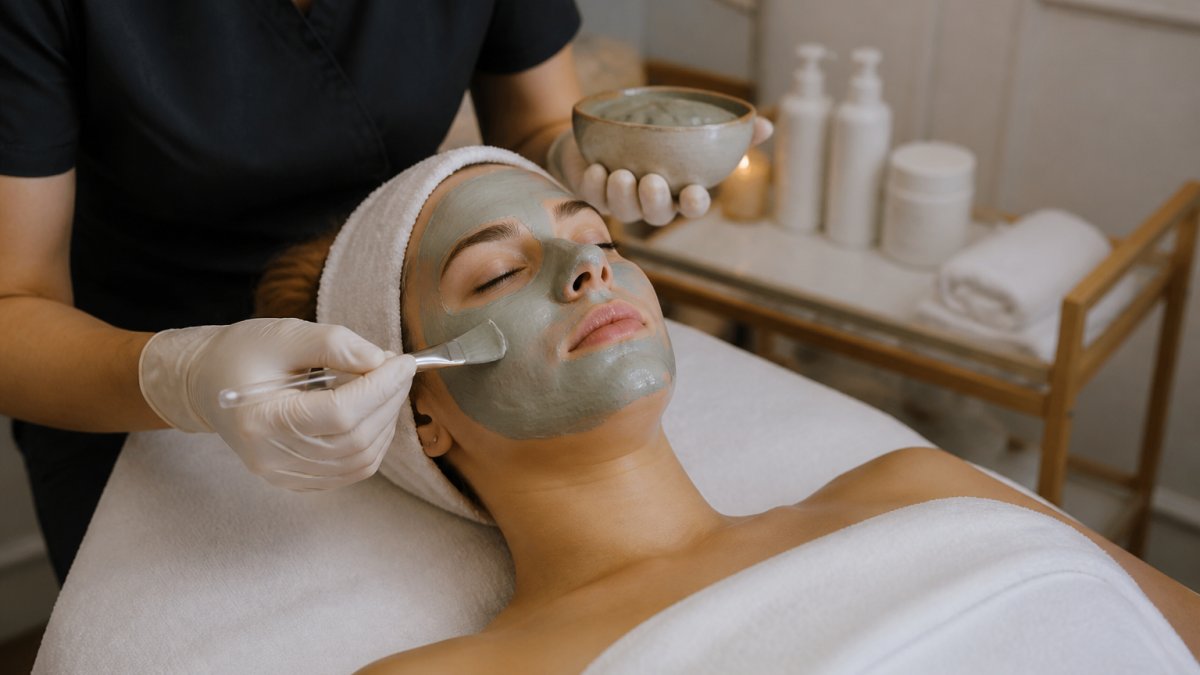
Hydration Plumps Skin So Pores and Fine Lines Look Smaller
Dry skin shrinks and tightens. When skin lacks water, pores and fine lines look more obvious.
Hydration changes that. Moisture fills the skin, so the surface looks smoother and pores appear smaller. This is why a good facial gives immediate results, even before the deeper changes kick in.
Choosing a Facial for Uneven Skin Texture
The best facial for uneven skin texture depends on what's causing the unevenness. Oil and clogged pores need one approach. Dryness and flaking need another.
Here's how to match the treatment to the problem:
| Skin Concern | What It Needs | What to Look For |
|---|---|---|
| Rough, flaky patches | Gentle exfoliation plus deep hydration | Hydrating facial with mild enzyme exfoliation |
| Clogged pores and blackheads | Deep cleansing and extraction | Detox facial with clay or charcoal |
| Dull, uneven tone | Surface renewal | Exfoliating facial with brightening serums |
| Fine lines and dryness | Plumping and barrier repair | Hydrating facial with hyaluronic serums |
Understanding why facials help with skin texture starts here: a facial works best when it targets your main concern first. Trying to fix everything at once often irritates the skin.
This is where a consultation matters. A quick skin assessment before treatment tells your esthetician which layers need work. If you're not sure what your skin needs, ask for a facial that combines gentle exfoliation with hydration. That combo suits most skin types.
The Best Facial for Rough Skin and Congested Pores
The best facial for rough skin pairs exfoliation with deep pore cleansing. Rough texture and congestion usually show up together, so treating them as a pair works better than treating each alone.
What most guides miss is that harsh scrubbing makes rough skin worse. It strips the surface, the skin panics, and it produces more oil to compensate. That cycle keeps pores clogged.
A better approach:
- Soften the skin first with steam or warm compresses
- Use a gentle exfoliant to lift dead cells
- Clear pores with a detoxifying mask
- Finish with a hydrating serum and moisturizer
How Often to Get a Facial for Lasting Texture Results
Most people see the best texture results with a facial every four to six weeks. That schedule matches the skin's natural renewal cycle, so you're working with your skin instead of against it.
Your first few appointments may need to be closer together. If your skin is very congested or very dry, going every two to three weeks for the first month or two can help. After that, you can stretch it out.
How often to get a facial also depends on your home routine. Clients who cleanse, moisturize, and use sunscreen daily hold their results longer. Those who don't will need more frequent visits.
- Oily or acne-prone skin: every 3-4 weeks
- Dry or sensitive skin: every 4-6 weeks
- Mature skin: every 4 weeks
- Maintenance after good results: every 6-8 weeks
One appointment won't change your texture for good. Consistency does the work.
Facial Aftercare for Sensitive Skin
Facial aftercare for sensitive skin comes down to doing less, not more. Your skin is freshly exfoliated, so it's more open to whatever you put on it. That cuts both ways.
For the first 24 to 48 hours:
- Skip active ingredients like retinol and strong acids
- Avoid hot showers, saunas, and heavy workouts
- Don't exfoliate at home
- Wear sunscreen every time you go outside
- Use a plain, gentle moisturizer
Sensitive skin can react to products it normally tolerates right after a facial. That's normal. Give your skin a day to settle before judging the results.
If you have a history of reactions, tell your esthetician before the treatment starts. They can adjust the products and skip steps that might irritate you.
Products That Support Your Results Between Facials
The right home routine makes your facials last longer. The wrong one undoes them.
Start with a gentle daily cleanser. Our Charcoal Facial Cleanser uses activated charcoal to draw out dirt and oil without stripping the skin. It's made for oily and acne-prone skin, and it's gentle enough for daily use. Aloe vera and green tea help calm redness.

For texture and tone, a niacinamide serum is a solid pick. Our Niacinamide Serum targets enlarged pores and uneven tone while supporting the skin's barrier. Sodium hyaluronate adds deep hydration. Use it after cleansing and before moisturizer.
Once or twice a week, add a mask. Our Dead Sea Mud Mask pulls out impurities and helps clear congestion without over-drying. It's rich in minerals and works well for oily, combination, or blemish-prone skin. Leave it on for 10 to 15 minutes, then rinse.

For body texture, the Exfoliating Luffa Bar lifts dead skin cells and leaves skin feeling smooth. It's a good pre-shower step before self-tanner, too.

What to Expect at a Facial Appointment in Groton, CT
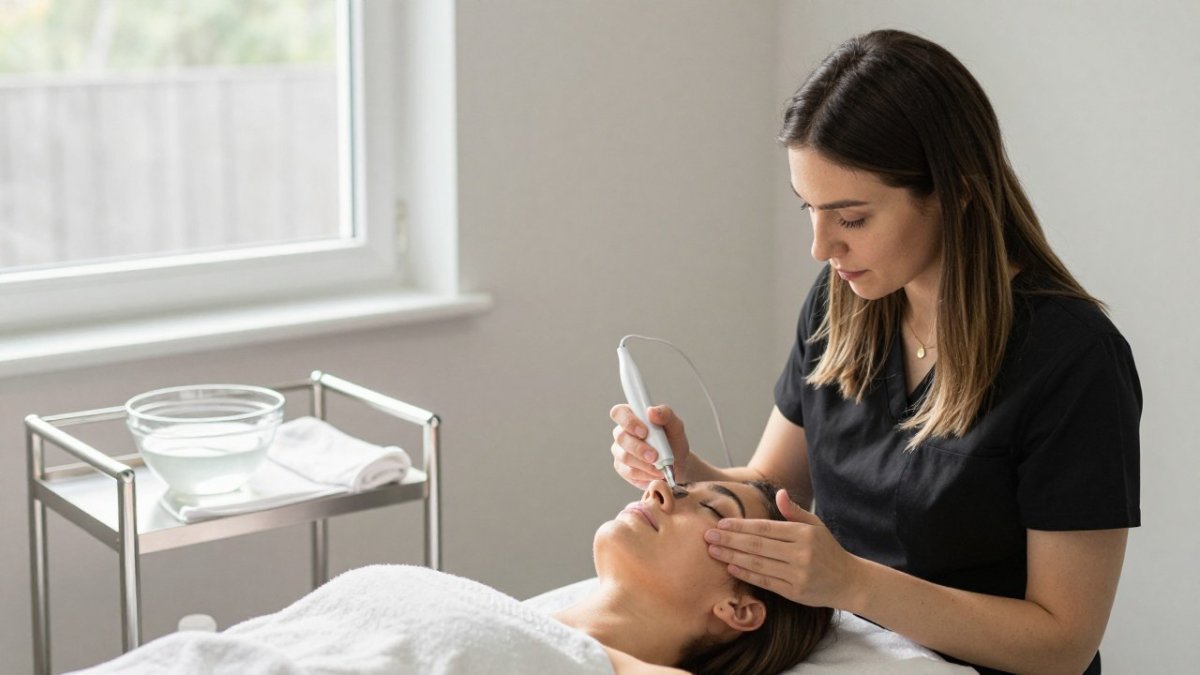
A facial appointment usually runs about an hour. The first few minutes go to a skin consultation, where your esthetician looks at your skin and asks about your routine and concerns.
Then comes the treatment itself:
- Cleansing to remove makeup and surface oil
- Exfoliation to lift dead skin cells
- Steam or warm compresses to soften congestion
- Extractions if needed
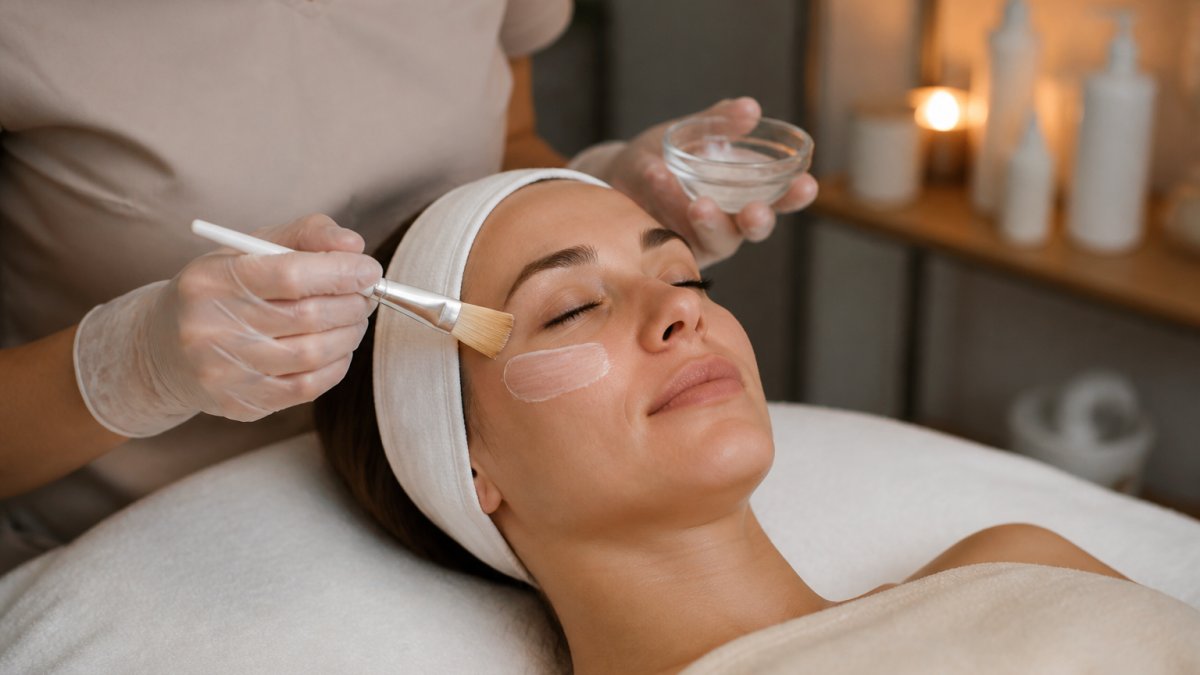
- A mask matched to your skin type
- Serum, moisturizer, and sunscreen to finish
You'll leave with skin that feels smoother right away. Deeper texture changes show up over the following days and weeks.
If you're searching for a facial near you, look for a provider who offers a consultation before treatment. That step helps determine whether they'll tailor the facial to your skin or run the same routine on everyone.
Conclusion: Texture Change Takes Consistency, Not One Appointment
Real texture change comes from steady care, not a single visit. Your skin renews itself on its own schedule, and facials work best when they support that cycle over time.
At Liz Almanzar Esthetics, we build facial plans around your specific skin concerns, whether that's acne, dryness, or early signs of aging. Our Mystic studio offers rejuvenating facials, precise waxing, and lash extensions in a calm, welcoming space. We focus on treatments tailored to your needs, not a one-size-fits-all menu.
Book a service with Liz Almanzar Esthetics and start building the skin routine that actually holds its results.
Frequently Asked Questions
How do facials help improve skin texture?
Facials improve texture through two main actions: exfoliation and hydration. Exfoliation lifts away dead cells that sit on the surface and make skin feel rough or look dull. Hydration draws moisture into the skin so it looks plumper, which makes pores and fine lines appear smaller. Professional extractions also clear congestion that creates bumps. Results build over a series of appointments rather than one visit.
How often should you get a facial for skin texture?
Most people see the best texture results with a facial every four to six weeks, which matches the skin's natural renewal cycle. If you are addressing active congestion or rough patches, your esthetician may suggest starting closer to every three to four weeks, then spacing appointments out once texture evens. Sensitive skin often does better on a slower schedule. Your provider will set the pace based on how your skin responds.
Can facials help with acne scars or enlarged pores?
Facials can soften the look of enlarged pores by clearing the debris that stretches them and by hydrating the surrounding skin. Shallow discoloration left after breakouts often fades with consistent professional exfoliation. Deep, indented acne scars sit in the deeper layers of skin, so they usually need treatment from a dermatologist. A facial can support overall clarity, but it is not a scar-removal treatment.
What should you avoid after a facial?
Skip intense sun exposure, hot yoga, saunas, and swimming pools for at least 24 hours, since skin is more permeable right after treatment. Avoid strong at-home acids, retinoids, and scrubs for two to three days. Do not pick at any flaking skin. Keep your routine simple: a gentle cleanser, a hydrating moisturizer, and broad-spectrum sunscreen. If your skin feels reactive, cool compresses help calm it.