 Listicle
Signs You Need a Lash Extension Fill: What to Look For
Last Updated: November 20, 2026
Quick Summary
A lash extension fill is needed when natural lashes have shed enough to leave visible gaps or sparse patches along the lash line, usually when roughly half or more of the original extensions are still attached. Other signs include extensions pointing in different directions or growing out, and a loss of overall fullness.
- If roughly half or more of the original extensions remain, a fill is usually appropriate.
- Check for gaps and sparse patches in natural light, especially at the outer corners and center.
- Extensions pointing in different directions or sitting away from the lash line signal a fill is due.
- Most lash extension fills are scheduled every two to four weeks.
- Do not book a routine fill for redness, swelling, or itching; contact your artist first.
Table of Contents
- How a Lash Extension Fill Differs from a Full Set
- Visible Gaps and Sparse Patches Along the Lash Line
- Extensions Pointing in Different Directions or Growing Out
- Loss of Fullness and How Natural Lash Shedding Affects Your Look
- How Often Should You Get Lash Fills?
- Lash Fill After 1 Week: When It Is Too Soon
- Booking Your Next Lash Appointment in Groton
- Frequently Asked Questions
How a Lash Extension Fill Differs from a Full Set
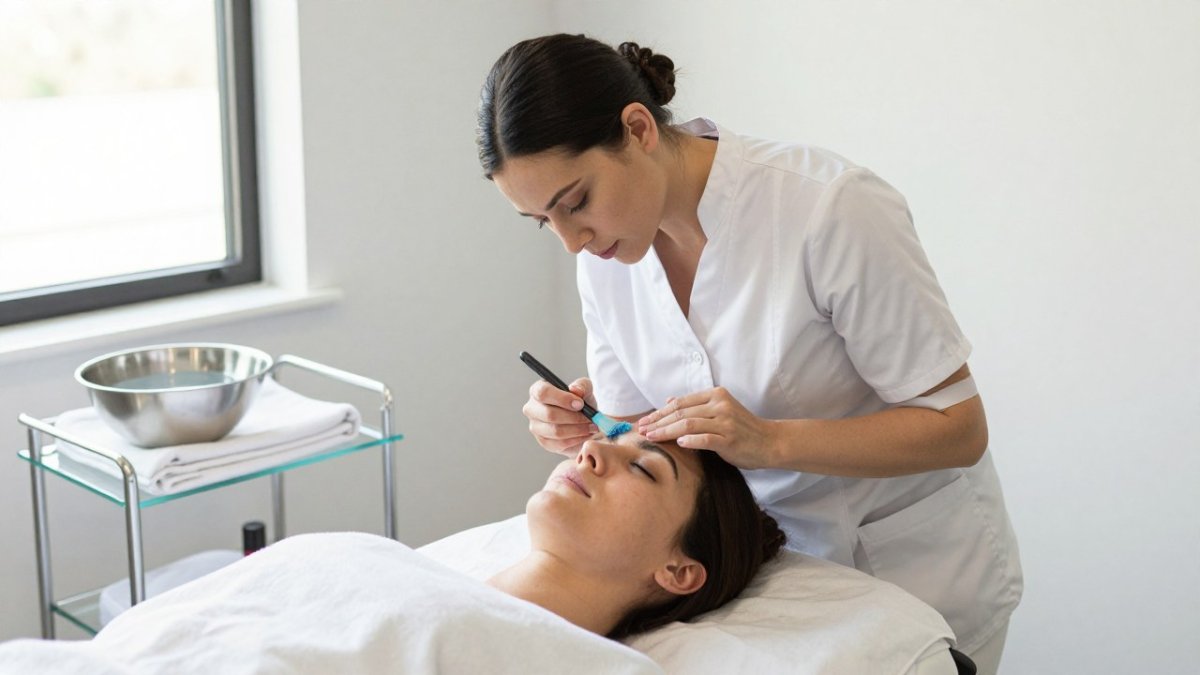
A lash extension fill is a maintenance appointment for existing extensions, while a full set is the initial application on natural lashes. Compare the process with our guide to lash extensions versus a lash lift if you're unsure which service suits your lashes.
Liz Almanzar Esthetics in Groton, CT, offers lash extensions alongside facials and waxing, and a fill is usually the right choice when most of the original set is still on the lashes.
The two services also differ in what they cost to maintain. Fills are typically shorter visits than full sets, which is part of why regular fills are the usual approach for keeping lashes looking full. Your technician can confirm the expected time for your appointment when you book.
Fill or Full Set? A Retention-Based Decision Guide
Most practitioners use a simple rule of thumb: if roughly half or more of the original extensions are still attached, a fill is usually appropriate; if most have shed, a full set is the better use of your appointment. The exact cutoff varies by salon, and some studios set their own policy, for example, requiring a full set after a certain number of weeks away or when retention falls below a stated threshold.
A practical way to judge at home is to part your lashes gently with a clean spoolie and look for continuous coverage. If the lash line still reads as full with only scattered gaps, you are likely in fill territory. If whole sections are bare or the remaining extensions look isolated, plan for a full set.
What Happens During a Fill
A typical fill follows a predictable sequence. Your artist cleans and preps the lash line, reviews your retention since the last visit, isolates each natural lash, and bonds new extensions only where needed. They may also remove grown-out or misaligned extensions before rebuilding.
To prepare, arrive with clean lashes, skip oil-based products, mascara, and lash curlers for at least 24 hours before your visit. Mention any new irritation, changes in medication, or aftercare products you have started using, since these can affect retention and comfort.
Watch out: if you have been away from extensions for several weeks and most of the set has shed, booking a standard fill can leave you with an uneven result, confirm with the studio whether your appointment should be a full set instead.
Visible Gaps and Sparse Patches Along the Lash Line
Gaps and sparse patches are among the clearest signs that a fill is due. Extensions shed naturally as each lash completes its growth cycle, and when some are lost without replacement, bare spots appear along the lash line.
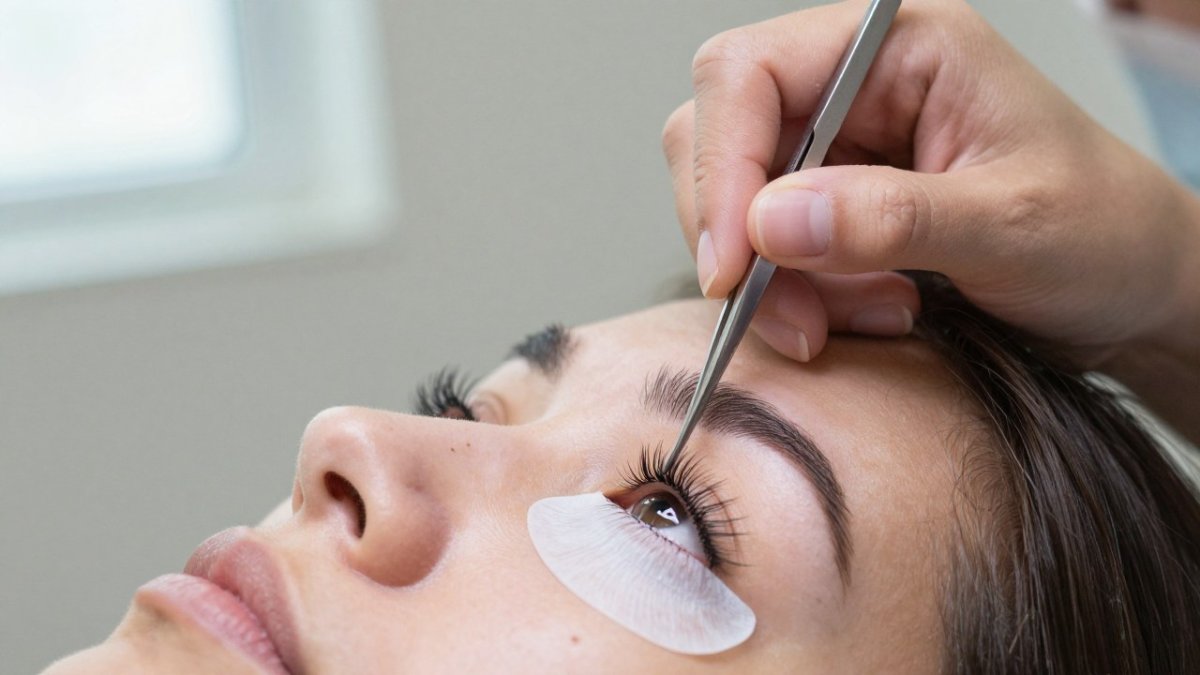
Look at your lashes in natural light at the start of your day. If you see spaces where extensions used to sit, or lashes that look thin next to fuller areas, those gaps are a signal to book. Waiting too long can leave the lash line uneven, which makes a fill harder to balance evenly.
A common mistake is assuming gaps only matter for appearance. Uneven coverage also means the remaining extensions carry more of the visual weight, so the set can look patchy even when most lashes are still attached.
Extensions Pointing in Different Directions or Growing Out
Extensions that point in different directions or sit visibly away from the natural lash line are another sign that a fill is needed. As natural lashes grow and shed, the bond between extension and lash can weaken, and the extension may start to tilt or drift.
If you notice that the lashes no longer curl or sit evenly, check whether the extensions are lifting away from the base. A lash artist can determine whether the issue is shedding, misalignment, or both.
Irritation is a different signal. If you want to know what your extensions should look like at the one-month mark, see lash extension results after one month. If your eyes feel itchy, watery, or sore around the lashes, do not simply book a fill.
Loss of Fullness and How Natural Lash Shedding Affects Your Look
Fullness usually fades gradually. Natural lashes shed on their own schedule, and extensions shed along with them, so a set that once looked dense can start to appear sparse over several weeks. Many people notice this change before they notice any single missing lash.
Natural shedding is normal and does not mean the extensions were applied poorly. It is simply how the lash growth cycle works. A fill restores density by adding extensions to the areas that have thinned out, which keeps the overall look balanced.
Keep in mind that the amount of fullness that feels right is personal. Some clients want a bold look at all times, while others are comfortable with a lighter set between appointments. Your technician can help you decide how full you want your lashes to look before you book.
How Often Should You Get Lash Fills?
Most lash extension fills are scheduled every two to four weeks. The right timing depends on how quickly your natural lashes shed and how much density you want to keep. Clients with faster lash turnover may need more frequent fills, while those who prefer a softer look may stretch the interval.
Waiting too long usually means more extensions have shed, so the fill takes longer and costs more to bring the set back to fullness. Booking within the recommended window keeps the lash line even and reduces the amount of rebuilding needed.
Your lash artist will look at your lashes at each visit and suggest a timing schedule that fits your lifestyle. Keeping a simple note of when your lashes start to look thin can help you choose the right interval for your next appointment.
Why One Schedule Does Not Fit Everyone
Natural lashes grow in cycles, a growth phase, a transition phase, and a resting phase, and each lash sheds on its own timeline. That is why two clients with the same set can need fills at different intervals. Someone whose lashes cycle quickly may notice thinning within ten days, while another client may still look full at three weeks.
Aftercare plays a role as well. Oil-based cleansers, heavy eye creams, and rubbing your eyes can weaken bonds and shorten retention. Following your artist's cleansing and brushing routine usually stretches the time between fills. If you change skincare products and notice faster shedding, mention it at your next visit.
How to Check Your Retention at Home
You can assess retention safely without touching the bonds. In natural light, use a clean spoolie to gently comb the lashes downward and look for gaps along the lash line. Compare one eye to the other and check the outer corners, where thinning often shows first. Photograph your lashes on the day of your appointment so you have a baseline to compare against in the following weeks.
Watch out: do not tug, pick, or trim extensions to check whether they are loose. Pulling can remove a natural lash before it is ready to shed and can leave a gap that takes a full cycle to grow back. If an extension feels loose or is poking your eye, contact your artist rather than fixing it yourself.
When to Book Sooner, or Ask First
Book sooner than your usual interval if you see large gaps before a special event, if one eye is noticeably thinner than the other, or if extensions are twisting and no longer framing the eye evenly. If instead you notice redness, swelling, itching, or unusual shedding, do not book a routine fill, contact your artist or a healthcare professional first, because those signs can point to irritation or an application issue rather than normal wear.
Fill timing depends on how quickly your natural lashes shed, so the usual interval is a helpful starting point.
| Factor | Typical effect | Note |
|---|---|---|
| Usual fill interval | Every two to four weeks | Varies by client |
| Faster lash turnover | May need more frequent fills | Lashes thin sooner |
| Side or stomach sleeping | More friction, faster loss | Can thin one eye first |
| Oil-based products | Can weaken bonds | Shortens retention |
| Waiting too long | More shedding to rebuild | Fill takes longer |
Lash Fill After 1 Week: When It Is Too Soon
A fill one week after a full set is usually too soon. Most extensions have only just been applied at that point, and the natural lash cycle has not had time to shed. Booking a fill this early generally adds little, because there are not yet enough gaps to address.
If lashes are falling out within the first week, or if you notice irritation or extensions pointing in odd directions, contact your lash technician rather than scheduling a standard fill. Early problems often relate to application or aftercare and should be checked by a professional.
Give your set time to settle before deciding whether a fill is needed. Your technician can tell you when your lashes are ready for their first maintenance appointment.
Booking Your Next Lash Appointment in Groton
When you are ready to book, start by choosing a lash technician who takes time to assess your natural lashes and explain what they see. Our checklist of what to look for in a professional lash technician can help you choose before you book.
Liz Almanzar Esthetics offers lash extensions in Groton, CT, along with facials and waxing. For a local overview, read our guide to booking professional lash extensions in Mystic. Our FAQs on booking and cancellations answer common questions about rescheduling.
For readers weighing other lash services, it can help to compare options before you commit.
Healthy lashes start with regular care and a technician who knows what to look for. Book your next lash extension fill with Liz Almanzar Esthetics in Groton, CT, and keep your lash line full, even, and comfortable between appointments.
Frequently Asked Questions
How do I know if I need a lash fill?
Look for visible gaps along the lash line, sparse patches, extensions that point in different directions, or a less full appearance than when you left the salon. Some natural lash shedding is normal, but a noticeable loss of density usually means a fill is due. Booking a professional assessment is the most reliable way to confirm, since a lash technician can check which extensions remain, how healthy your natural lashes look, and whether a fill or a full set makes more sense for your lashes.
How often should you get lash fills?
Many lash artists recommend a fill every two to four weeks, though the right interval depends on your natural lash growth cycle, how quickly your extensions shed, and your lifestyle. Waiting much longer can leave natural lashes without support and make the set look uneven. If your extensions are still full and evenly spaced, you may be able to wait a little longer. Your technician can help you set a personalized schedule.
Can I get a lash fill if I have only a few extensions left?
If only a few extensions remain, a fill may no longer restore the look you want, and a full set is often the better choice. A fill is designed to replace the extensions that have shed from an existing set, so when most of the original set is gone, the technician may recommend starting over. Bring photos of your lashes from the past few weeks to your appointment so your technician can assess what's left.
What happens if I wait too long between lash fills?
Waiting too long can cause visible gaps, uneven spacing, and extensions that grow out at odd angles. Over time, the lashes may look sparse, and extensions can become weighed down or tangled. Irritation or discomfort is another reason to schedule an appointment rather than wait. If your lashes feel sore, itchy, or look red, contact your lash technician promptly and avoid trying to fix the problem yourself.