 Listicle
Are Professional Facials Worth It for Bridal Acne?
Last Updated: November 21, 2026
Quick Summary
Professional facials can help bridal acne when they are matched to your skin type and booked well before the wedding date. Calming facials suit inflamed breakouts, while deep cleansing suits clogged pores. Facials improve the look of congestion over a series of sessions but do not cure acne, so schedule harsh treatments early and keep the final session calm.
- Match the facial to your acne type, since inflamed breakouts and clogged pores need different treatments.
- Book deep cleansing and extraction early, because they cause temporary redness.
- Keep the final pre-wedding session hydrating and low-risk so skin looks rested.
- Facials do not cure acne, and painful nodules or cysts need a physician or dermatologist.
- Ask a prospective esthetician for a consultation and review your current products before booking.
Table of Contents
- Why Bridal Acne Needs a Different Approach
- Types of Professional Facials for Acne-Prone Skin
- Building a Facial Timeline Before Your Wedding
- How to Choose an Esthetician for Acne Care in Groton, CT
- Bridal Skincare Routine for Acne: What to Do at Home
- Booking Your Bridal Acne Facial at Liz Almanzar Esthetics
- Frequently Asked Questions
Why Bridal Acne Needs a Different Approach
Bridal acne often flares at the worst possible moment, and it can feel like a race against the calendar.
Acne-prone skin is not one condition. Skin can show active inflamed breakouts, congested pores with few visible spots, or dryness and sensitivity layered on top.
Wedding timing adds pressure. Treatments that cause redness, peeling or purging need time to settle, which means harsh services should be booked early, not in the final week. Calmer, hydrating sessions work better closer to the date.
Types of Professional Facials for Acne-Prone Skin
Professional facials for acne-prone skin usually fall into two broad families: treatments that clear congestion and treatments that support the skin barrier. Most plans combine both, adjusted session by session. Choosing well depends less on the name of the facial and more on matching the treatment to your acne type, your skin sensitivity, and how close you are to the wedding date.
Matching the Facial to Your Acne Type
Acne-prone skin is not one condition, and the same facial that helps one bride can set another back. A useful way to sort options is by what your skin is doing right now.
- Active inflamed breakouts (red, tender papules and pustules): Calming, anti-inflammatory facials with gentle cleansing, cool compresses, and barrier-support ingredients are the usual starting point. Aggressive extraction and strong exfoliation tend to make inflamed skin angrier, so most practitioners keep these sessions mild and build intensity only after inflammation settles.
- Clogged pores and congestion (blackheads, whiteheads, rough texture): Deep cleansing and extraction facials, sometimes with gentle chemical exfoliation, target the debris blocking pores. These are the sessions that produce visible clearing, but they also cause temporary redness and belong earlier in a pre-wedding plan, not the week of the event.
- Post-acne marks and uneven tone: Once active breakouts are controlled, facials focused on gentle exfoliation and brightening can help fade the flat red or brown marks left behind. Marks fade on their own timeline, often over months, so this is a middle-of-the-plan goal rather than a final-week fix.
- Sensitive or reactive skin: Fragrance-free, minimal-step facials with soothing ingredients and no strong acids are safer. Sensitive skin often tolerates fewer products per session, so exfoliation and extraction may be spread across separate visits.
Deep Cleansing and Extraction Facials
Deep cleansing facials aim to clear pores that are clogged with oil and debris. An esthetician may use steam, exfoliation and manual extraction to address blackheads and whiteheads. These sessions can leave skin looking clearer, but they also cause temporary redness, so they belong earlier in a pre-wedding plan.
Extractions are the step most likely to backfire if they are done too close to the wedding. Skin that has been worked on often needs a few days to calm down. Ask your esthetician how your skin typically responds before committing to a schedule.
Hydrating and Barrier-Support Facials
Acne treatments can dry the skin, and dry skin can produce more oil in response, which keeps the cycle going. Hydrating and barrier-support facials focus on moisture, gentle exfoliation and calming ingredients. They are often the best choice in the final weeks before a wedding, when the goal is a smooth, even complexion without irritation.
Chemical Peels and Exfoliation
Chemical peels use acids to loosen dead surface cells and help unclog pores. Lighter peels are sometimes used for congestion and post-acne marks, while deeper peels carry more downtime and more risk of irritation or pigment changes. For brides, the practical rule is that any peel with visible peeling needs enough runway to heal before the wedding, and a peel should never be a first-time experiment in the final month.
Watch out: a peel or strong exfoliation done too close to the date can leave skin flaking, red, or more sensitive in photographs, and unfamiliar acids can trigger a breakout rather than clear one.
HydraFacial-Style Treatments
HydraFacial-style treatments combine cleansing, gentle exfoliation, and serum infusion in one session, which is why they are popular for congestion and glow. They tend to be gentler than manual extraction-heavy facials, but they are not a substitute for acne treatment, and results are temporary.
Pore Cleansing and Congestion
Pore-focused facials target the oil and debris that keep pores looking enlarged and congested. Steam, gentle cleansing, and extraction are the core steps. The trade-off is that over-extracting or over-exfoliating can irritate the barrier, so sessions are usually spaced out rather than stacked back to back.
What Facials Can and Cannot Do
Facials can improve the look of congestion, support the barrier, and give skin a temporary glow. They do not cure acne, and they do not replace medical care for moderate to severe acne, painful nodules, or cysts.
A realistic expectation is gradual improvement over a series of sessions, with some temporary redness or purging after congestion-clearing treatments. No facial can promise clear skin by a specific date, and any provider who guarantees that is overselling.
The article sorts facial options by what your skin is doing right now, so this table matches each skin concern to the treatment family that suits it.
| Skin concern | Best facial approach | Key consideration |
|---|---|---|
| Active inflamed breakouts | Calming, anti-inflammatory facials | Avoid aggressive extraction |
| Clogged pores and congestion | Deep cleansing and extraction | Causes temporary redness |
| Post-acne marks | Gentle exfoliation and brightening | Fades over months |
| Sensitive or reactive skin | Fragrance-free, minimal-step facials | Spread exfoliation across visits |
| Dryness and barrier damage | Hydrating and barrier-support facials | Good choice before the wedding |
Building a Facial Timeline Before Your Wedding
A useful timeline works backward from the wedding date. Early sessions can address breakouts and congestion. Middle sessions can focus on maintenance and barrier repair. The final session should be calm and low-risk, so your skin looks rested rather than reactive on the day.
Many brides start planning several months out, and some find that a structured home routine is what keeps results steady between appointments. Explore the Clear Skin Blueprint if you want a structured routine to follow between visits. For a sense of how often appointments fit a breakout-prone skin plan, see how often to get facials for acne.
Wedding-preparation routines reported by Vogue combine monthly facials with barrier support, gentle exfoliation and hydration, though the article does not give a measured outcome. Vogue guide to wedding skin prep timelines
How to Choose an Esthetician for Acne Care in Groton, CT
Choosing an esthetician for bridal acne is a different decision than choosing one for a relaxing facial. You want someone who asks detailed questions about your skin, your routine, and any medications or past reactions before recommending a treatment. A practitioner who offers the same facial to every bride is less likely to adjust for active acne, sensitivity, or a wedding deadline.
Check Licensing and Credentials
In Connecticut, estheticians are licensed through the state, and a legitimate provider should be able to tell you they hold a current license. Ask how long they have been practicing and how much of their work is acne-focused. Experience with acne-prone skin matters because it shapes how they pace exfoliation, extraction, and barrier care across a series of visits.
Ask About Acne-Care Scope and Referral Practices
An esthetician can cleanse, exfoliate, extract, and support the barrier, but they cannot diagnose or prescribe. A good provider knows where that line is. Ask what they do when a client presents with painful nodules, cysts, or sudden spreading breakouts, the right answer involves referring you to a physician or dermatologist rather than treating it in the facial room. A provider who never mentions medical referral for severe acne is a red flag.
Compare Providers Around Groton
If you are comparing options in Groton and nearby southeastern Connecticut towns, ask each provider the same questions so the comparison is fair:
- How do you assess skin before a first treatment?
- How do you handle clients with active breakouts versus clogged pores?
- What is your policy if a skin reaction occurs?
- How do you plan a series of treatments around a fixed wedding date?
- Do you offer a consultation before booking a full facial?
A provider who answers these specifically, rather than vaguely, is more likely to build a plan that fits your skin and your timeline.
Book a Consultation First
Ask for a consultation before booking, and bring a list of products you currently use, including any prescription acne medications or retinoids. Those products change what an esthetician can safely do in a session, and a provider who asks about them is paying attention.
Learn how to find the best local esthetician if you are comparing providers in the area.
Watch out: booking a first-time facial with an unfamiliar provider in the final weeks before the wedding leaves no room to recover if your skin reacts badly, so schedule any new provider well ahead of the date.
Bridal Skincare Routine for Acne: What to Do at Home
Professional treatments work best when the home routine supports them. Use a gentle cleanser twice daily, a lightweight moisturizer, and sunscreen during the day. Avoid stacking strong exfoliants on the same night as a professional treatment.
Watch out: picking, squeezing or popping breakouts before a facial can leave marks that take months to fade and can make extractions harder for your esthetician.
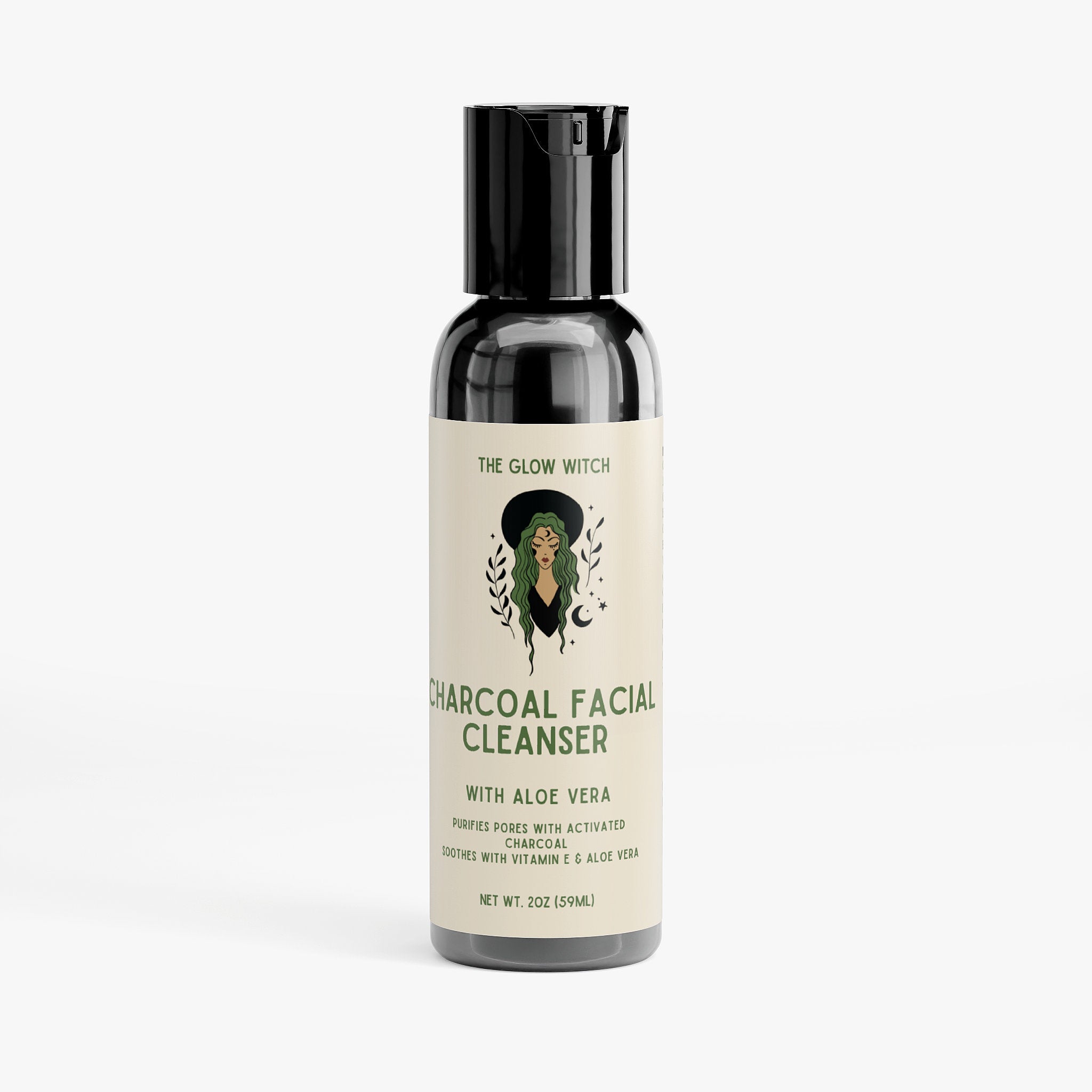
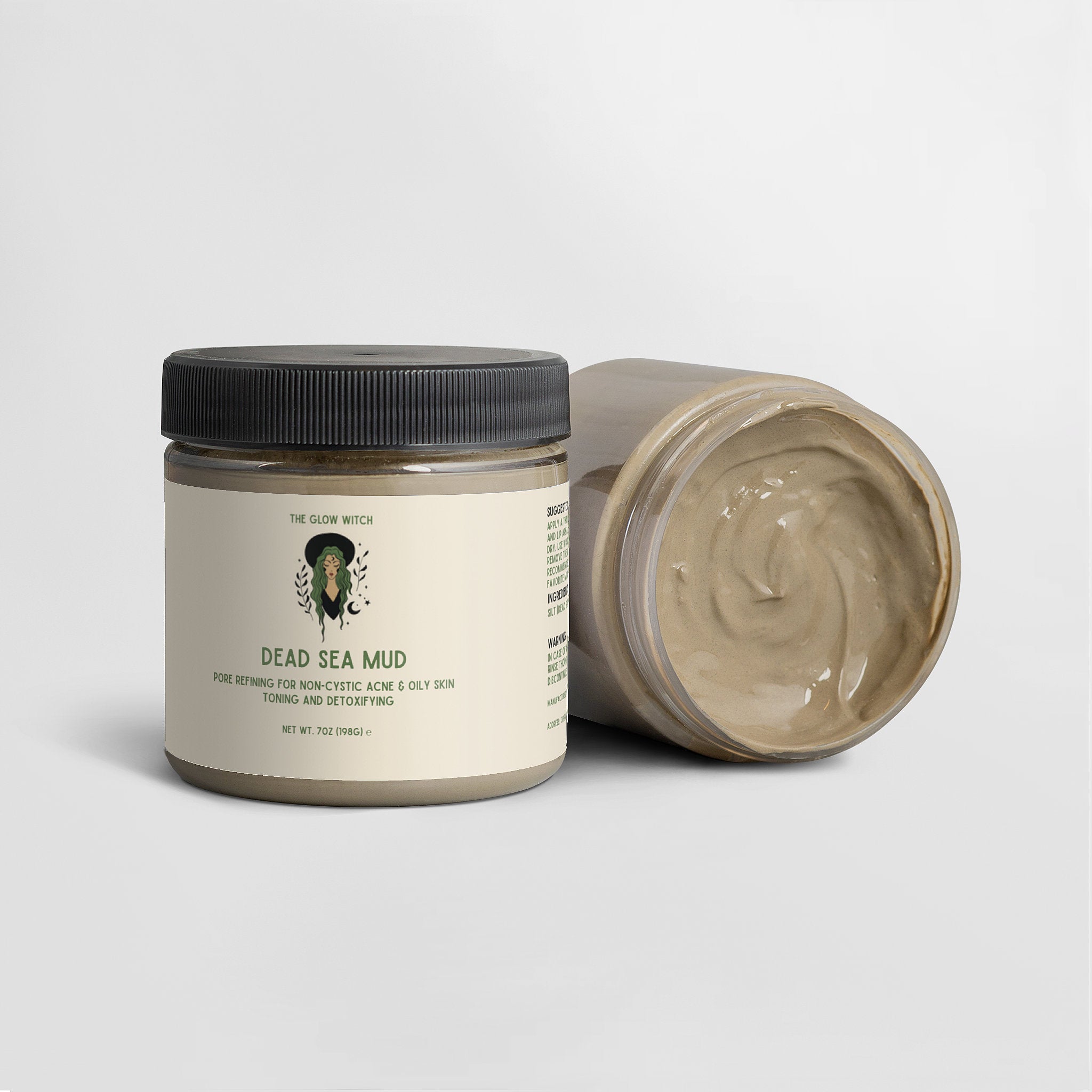
Products in the Liz Almanzar Esthetics catalog include the Charcoal Facial Cleanser for oily, acne-prone skin, and the Dead Sea Mud Mask, which the listing recommends using one to two times per week. Patch test any new product before using it on your face, especially in the weeks before the wedding.
Booking Your Bridal Acne Facial at Liz Almanzar Esthetics
Bring your wedding date to your consultation so the plan can be built backward from it. Tell your esthetician about any active breakouts, sensitivity, or recent treatments. If your skin shows signs that need medical attention, such as painful nodules or sudden spreading, speak with a physician or dermatologist.
To start planning your bridal facials, book a consultation with Liz Almanzar Esthetics in Groton, CT. Let's work on your skin together.
Frequently Asked Questions
Which bridal facial is best for acne-prone skin?
For acne-prone skin, a deep cleansing facial with gentle extractions and a calming, hydrating finish is usually the best fit for bridal timelines. Treatments that over-exfoliate or apply strong peels close to the wedding can irritate skin and cause more redness. A consultation with a licensed esthetician lets you match the treatment to your acne type and skin sensitivity before you book.
How far before a wedding should you get a facial for acne?
Many estheticians recommend starting a professional facial plan several months before the wedding so skin has time to settle. In the final days before the event, a hydrating or calming facial is generally safer than extractions, peels, or dermaplaning. Scheduling the last facial about two days before the wedding leaves little room for flare-ups, though your esthetician can adjust this based on your skin.
Is it better to see a dermatologist or an esthetician for acne?
A dermatologist is the right choice for diagnosing acne, treating severe or cystic breakouts, and prescribing medication. An esthetician provides professional facials, cleansing, and skincare guidance as part of a cosmetic routine. Many people use both, and a licensed esthetician can refer you to a dermatologist when acne falls outside their scope. Individual treatment advice requires a consultation with a qualified professional.
Can a facial make acne worse before a wedding?
A facial can temporarily cause redness, purging, or irritation, especially if it includes aggressive exfoliation or extractions close to the event. Booking early, telling your esthetician about your skin concerns, and avoiding new treatments in the final week lowers that risk. Results vary, so a patch test or skin consultation before a major treatment is a sensible precaution.