 How-to
Why Does Waxing Make Hair Grow Back Thinner?
Table of Contents
- Why Does Waxing Make Hair Grow Back Thinner?
- Does Waxing Make Hair Grow Back Finer Over Time?
- How Long Does Hair Take to Grow Back After Waxing?
- Why Does Hair Grow Back Patchy After Waxing?
- How to Care for Skin After Waxing
- Does Waxing Permanently Reduce Hair Growth?
- Professional Waxing in Groton, CT: What to Expect
- Frequently Asked Questions
Last Updated: October 15, 2026
Why Does Waxing Make Hair Grow Back Thinner?
Waxing makes hair grow back thinner because it pulls hair out from the root, and the new hair that regrows has a soft, tapered tip instead of the blunt, sharp edge left by shaving. Over time, repeated waxing can also weaken the follicle, so regrowth looks finer and sparser.
That is the short answer. The longer version involves the hair growth cycle, the shape of the follicle, and how often you wax. Below, we break down exactly why does waxing make hair grow back thinner, how long regrowth takes, and how to care for your skin between appointments.
At Liz Almanzar Esthetics in Mystic, CT, we handle waxing for clients in Southeastern Connecticut. We see the same questions come up again and again, so this guide answers them directly.
The Role of the Follicle and Hair Growth Cycle
A hair follicle is the small pocket under your skin where each hair grows. Waxing removes the entire hair shaft from that pocket, while shaving only cuts it at the surface.
Every hair moves through three stages:
- Anagen: active growth, when the hair is anchored deep in the follicle
- Catagen: a short transition phase
- Telogen: a resting phase before the hair sheds
Wax grabs hair in the anagen phase best, because the root is fully formed. Hair in the telogen phase may not come out as cleanly, which is why a few stragglers can show up days later.
Why the Tapered Tip Makes Regrowth Feel Softer
A brand-new hair has a fine, pointed tip. That tip is why regrowth after waxing feels soft instead of scratchy.
Shaving cuts hair mid-shaft, leaving a flat, blunt end. As it grows, that blunt edge feels coarse against your skin. Waxed hair grows back with its natural point intact, so it feels finer to the touch even when the strand itself is the same thickness.
Does Waxing Make Hair Grow Back Finer Over Time?
Yes, for most people waxing makes hair grow back finer over time, though the change is gradual. The American Academy of Dermatology notes that repeated waxing can weaken the follicle over time, which is why regrowth often looks sparser with regular appointments American Academy of Dermatology waxing and hair removal guidance.
The key word is gradual. You will not see a dramatic change after one appointment. Clients who wax every four to six weeks for several months tend to notice the biggest difference.
Two things drive the change:
- Trauma to the follicle from repeated root removal
- Slower, thinner regrowth from follicles that have been weakened
How Long Does Hair Take to Grow Back After Waxing?
Most people see regrowth within two to four weeks, depending on the area and their personal growth cycle. Fine facial hair can return faster, while leg and underarm hair often takes longer.
What Affects Regrowth Speed
Several factors change how fast hair returns:
- Hair type: coarse hair often grows back slower than fine hair
- Hormones: shifts in hormone levels can speed up growth
- Area of the body: facial hair tends to cycle faster than leg hair
- Waxing frequency: regular appointments can slow regrowth over time
A common mistake is waxing too soon. If hair is shorter than about a quarter inch, the wax cannot grip it well, and you get a patchy result instead of a clean one.
Why Does Hair Grow Back Patchy After Waxing?
Patchy regrowth usually happens because some hairs were not long enough to be removed, or because they were in a resting phase during your appointment. It is normal and rarely a sign of a problem.
Other common causes include:
- Hair that was too short for the wax to grab
- Breakage instead of full root removal
- Skipping areas during application
- Hormonal shifts that change growth patterns
When Patchiness Is a Sign of Something Else
Occasional patchiness is normal. Ongoing, uneven growth in one specific area can sometimes point to a hormonal or skin condition.
Book a Service →
We cannot diagnose that for you. If patchiness persists or comes with other symptoms, see a doctor or dermatologist. A licensed esthetician can flag what looks unusual, but only a medical professional can confirm a cause.
How to Care for Skin After Waxing
Good aftercare keeps skin calm and lowers the chance of irritation or ingrown hairs. The first 24 to 48 hours matter most.

Follow these steps:
- Skip hot showers, saunas, and sweaty workouts for 24 hours
- Avoid direct sun and tanning beds on the waxed area
- Wear loose clothing to reduce friction
- Apply a gentle, fragrance-free moisturizer
- Do not exfoliate for at least 48 hours
- Resist picking at any bumps or ingrown hairs
Once skin settles, light exfoliation two to three times a week can help prevent ingrown hairs. The AAD recommends gentle exfoliation and moisturizing to keep skin healthy between hair removal sessions American Academy of Dermatology skin care and hair removal tips.
Does Waxing Permanently Reduce Hair Growth?
Waxing does not permanently stop hair growth. It weakens the follicle over time, so regrowth gets finer and sparser, but the follicle itself stays active.
Only methods like laser hair removal or electrolysis target the follicle for long-term reduction, and even those have limits. Waxing is a maintenance method, not a permanent fix.
That said, the long-term effect is real for many people. Consistent waxing can mean slower regrowth and less visible hair over months of appointments.
Professional Waxing in Groton, CT: What to Expect
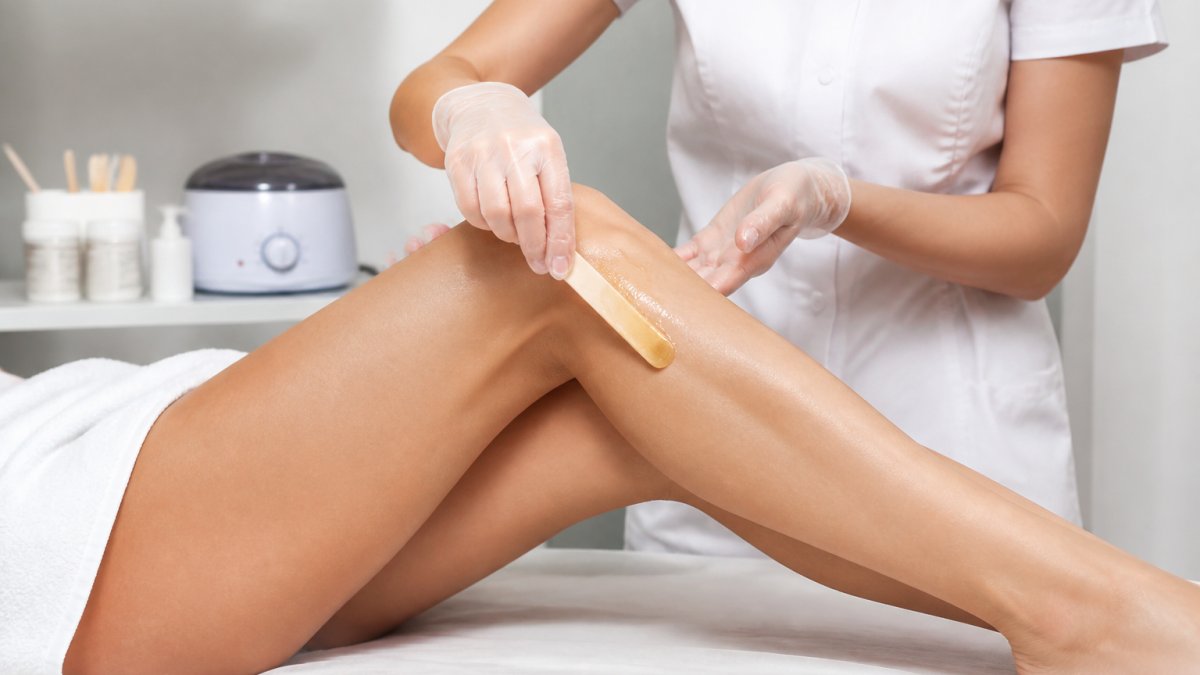
A professional waxing appointment starts with a quick consultation about your skin, hair type, and any sensitivities. From there, your esthetician cleans the area, applies warm wax, and removes hair in small sections.
At Liz Almanzar Esthetics, we tailor each session to your skin. Clients often tell us they want a gentler experience than they have had before. Sensitive skin and past irritation are common concerns, and we adjust our approach to match.
Here is what a typical appointment looks like:
| Step | What Happens | Time |
|---|---|---|
| Consultation | Skin and hair review | 5 min |
| Prep | Cleansing and pre-wax care | 5 min |
| Waxing | Section-by-section removal | 15-30 min |
| Aftercare | Soothing and guidance | 5 min |
Pricing depends on the area treated and your specific needs. For current rates, check our website or reach out directly. We are happy to walk you through options before you book.
Hair regrowth after waxing can feel unpredictable, especially if you are new to it. The good news is that the right technique and consistent care make a real difference in how regrowth looks and feels over time.
If you want smoother results with less guesswork, Liz Almanzar Esthetics offers precise waxing, rejuvenating facials, and lash extensions in a welcoming, professional setting. Our team tailors each service to your skin and your goals. Get started with Liz Almanzar Esthetics and book a service that fits your routine.
Frequently Asked Questions
Why can hair look thinner after waxing?
Waxing removes hair from the root, so regrowth starts with a fine, tapered tip instead of the blunt, cut edge left by shaving. That soft tip catches light differently and feels less coarse against the skin. The follicle itself is not permanently changed by a single wax, so the thinner look is partly about how new hair emerges and partly about the natural shedding cycle, which varies from person to person.
Does waxing make hair grow back finer over time?
Many people notice that waxing hair regrowth feels softer and looks less dense after several consistent sessions. Repeated waxing can weaken some follicles over time, but it does not guarantee permanent thinning. Results depend on your hair type, hormones, and how regularly you wax. Consistent appointments every three to five weeks give the best chance of seeing a gradual change in texture and density.
How long does hair take to grow back after waxing?
Most people see visible regrowth within two to four weeks, depending on the area and individual growth rate. Facial hair tends to return faster than leg or underarm hair. Scheduling your next wax every three to five weeks keeps the growth cycle in sync and makes each session quicker and more comfortable. If you are unsure about your own timing, a licensed esthetician can help you plan a schedule.
Why does hair grow back patchy after waxing?
Patchiness usually happens because hair grows in staggered cycles, so not every follicle is in the active growth phase during a wax. Broken hairs, skipped spots, or a wax that was not warm enough can also cause uneven regrowth. In most cases, patchiness evens out after a few consistent waxing sessions. If it persists for months or comes with other symptoms, talk to a healthcare provider.