 How-to
9 Sensitive Skin Waxing Tips for Mystic Clients
Last Updated: November 7, 2026
Quick Summary
Sensitive skin waxing goes best when you prepare well, tell your esthetician about your skin, and follow gentle aftercare. Keep hair about one-quarter inch long, skip exfoliants for 24 to 48 hours, and avoid sun exposure beforehand. Mild redness that fades within a few hours is common.
- Keep hair about one-quarter inch long, which is easiest to remove.
- Skip exfoliants, acids and retinoids for 24 to 48 hours before waxing.
- Share any history of razor bumps, ingrown hairs or wax reactions with your esthetician.
- Cool the skin with a damp cloth and use a gentle, fragrance-free moisturizer afterward.
- Avoid hot tubs, saunas, tight clothing and sun exposure for at least 24 to 48 hours.
Table of Contents
- Why Sensitive Skin Reacts Differently to Waxing
- How to Prepare for a Wax on Sensitive Skin
- Telling Your Esthetician About Your Skin Before the Appointment
- Understanding Waxing Redness and Irritation
- Sensitive Skin Waxing Aftercare Steps
- What to Avoid After Waxing
- Booking Your Sensitive-Skin Wax at Liz Almanzar Esthetics
- Frequently Asked Questions
Sensitive skin reactions to waxing are common, and many of them can be reduced with good preparation. Sensitive skin waxing works best when you prepare well, tell your esthetician about your skin, and follow a gentle aftercare routine. This guide covers practical tips to help you get smoother results with less irritation.
Why Sensitive Skin Reacts Differently to Waxing
Sensitive skin has a thinner protective barrier, so it reacts faster to heat, pulling and friction. Waxing removes the hair along with a thin layer of surface skin, which is why redness can show up after the appointment.
Common signs of sensitivity include:
- Redness that lasts more than a few hours
- Stinging or burning during or after the wax
- Small bumps or ingrown hairs in the days that follow
- Dryness or flaking around the treated area
Knowing these signs helps you act early. If your skin often reacts to products or hair removal, let your esthetician know before your first visit.
How to Prepare for a Wax on Sensitive Skin
Preparation makes the biggest difference for sensitive skin. A few simple steps can reduce irritation before the wax even begins.
- Keep hair at the right length. Hair about one-quarter inch long is easiest to remove. Avoid shaving within 24 hours if you can.
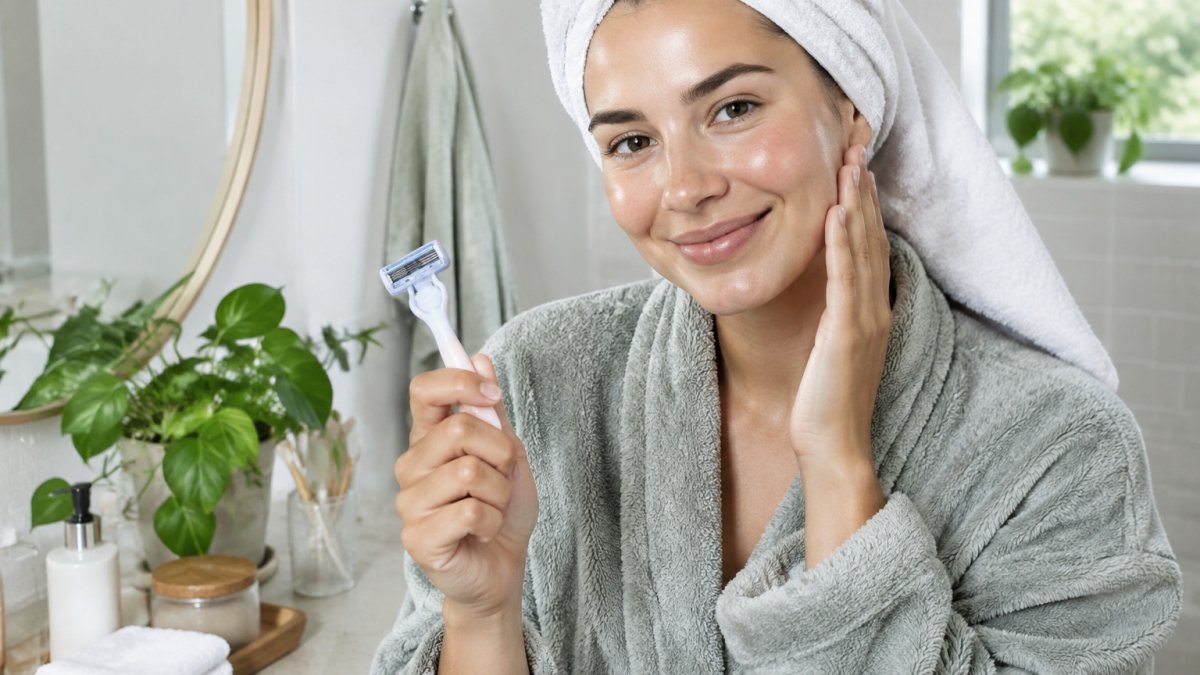
- Skip exfoliants for 24 to 48 hours. Scrubs, acids and retinoids can make skin more reactive.
- Avoid sunburn and tanning. Freshly sun-exposed skin is more likely to redden.
- Take a pain reliever if you use one. Ask your provider first, and avoid aspirin-based products right before a wax.
- Arrive with clean skin. Skip heavy lotions on the treatment area that day.
Getting ready well also means knowing what the appointment involves.
Telling Your Esthetician About Your Skin Before the Appointment
Share your skin history at the start of your visit. This is the single most useful thing you can do to avoid a bad reaction.
Tell your esthetician about:
- Any history of razor bumps, ingrown hairs or wax reactions
- Current skincare products, especially acne or prescription treatments
- Recent procedures, sunburn or medications that affect the skin
- Any areas that feel tender or sensitive that day
A good esthetician can adjust the wax type, technique and pace to match your skin. If something feels wrong during the wax, speak up right away.
Understanding Waxing Redness and Irritation
Mild redness is common after waxing and usually fades within a few hours. It happens because the hair follicle and the skin around it are briefly stressed.
Redness that is normal:
- Pink skin that fades within a few hours
- Slight warmth or tenderness
- Small pinpoint bumps that settle quickly
Signs to watch for:
- Blisters, open sores or swelling that spreads
- Redness that worsens after two days
- Signs of infection, such as pus, heat or fever
If you notice any of these warning signs, contact a qualified healthcare professional promptly.
Sensitive Skin Waxing Aftercare Steps
Good aftercare helps calm the skin and lowers the chance of ingrown hairs. For a soothing option, see the Circadia Aloe and Calendula Calming Mist, which is formulated to calm the discomfort of sensitive skin. Follow these steps for the first 48 hours.
- Cool the skin. Use a cool, damp cloth for a few minutes to ease heat.
- Use a gentle, fragrance-free moisturizer. The Anti-Aging Moisturizer for Sensitive Skin from The Glow Witch Skin is designed for sensitive, mature skin. It supports hydration and renewal, and it is priced at $39.99. Read the full product care guidelines.
- Soothe with a calming product. Learn how to soothe skin after a bikini wax at home for more step-by-step guidance.
- Skip the gym and hot showers. Sweat and heat can increase irritation for a day or two.
- Start gentle exfoliation after 48 hours. Once redness fades, a mild exfoliant can help prevent ingrown hairs.
For a deeper look at aftercare, Learn how to prevent ingrown hairs after waxing with practical steps you can follow at home.
Aftercare steps are easier to follow at a glance, so here is a summary of the key steps and timings from this guide.
| Step | What to do | Time or frequency |
|---|---|---|
| Cool the skin | Use a cool, damp cloth to ease heat | A few minutes |
| Moisturize | Use a gentle, fragrance-free moisturizer | Within the first 48 hours |
| Soothe | Apply a calming product | Follow the guidance on soothing after a bikini wax |
| Avoid the gym and hot showers | Skip sweat and heat that can increase irritation | A day or two |
| Gentle exfoliation | Start a mild exfoliant once redness fades | After 48 hours |
What to Avoid After Waxing
Some habits make irritation worse. Avoid these for at least 24 to 48 hours:
- Tight clothing that rubs the treated area
- Hot tubs, saunas and long hot baths
- Sun exposure and tanning beds
- Harsh scrubs, retinoids and acid-based products
- Picking at bumps or ingrown hairs
Is professional waxing right for your skin? Read our guide on whether professional waxing is worth it to compare your options.
Booking Your Sensitive-Skin Wax at Liz Almanzar Esthetics
Every client's skin is different, so a short consultation before your first wax can help plan the right approach. Learn what to expect at a professional waxing appointment in Mystic before you book.
Ready to get started? Book a service with Liz Almanzar Esthetics and let us help you get smooth, comfortable results.
Frequently Asked Questions
Is waxing safe for sensitive skin?
Waxing can be done on sensitive skin, but it is not risk-free. Redness, small bumps, and irritation are common, especially on first visits or on skin that reacts easily. A licensed esthetician can adjust the wax type, the pressure and speed of removal, and the time between sessions to suit your skin. Tell your provider about past reactions, any active breakouts, and any products you use. If you have a medical skin condition or are unsure whether waxing is appropriate, check with your doctor or dermatologist before booking.
How long does redness last after waxing?
For most people, redness after waxing fades within a few hours to a day. Sensitive skin can take longer to calm down, sometimes up to two or three days. Keeping the area cool, avoiding friction, and skipping heat and harsh products usually helps it settle faster. If redness is intense, spreads, becomes painful, or does not improve after a couple of days, contact a healthcare professional rather than waiting it out.
Should I wax if my skin is irritated or sunburned?
In most cases, it is better to wait. Waxing removes a layer of skin, so irritated, sunburned, or broken skin is more likely to react badly and may be more prone to infection. Let the area heal fully before your appointment. If you are unsure whether your skin is ready, describe the area to your esthetician when you book so they can advise you on whether to reschedule.