 Listicle
7 Best Acne Treatments for Adults in 2026
Last Updated: October 27, 2026
Quick Summary
The 7 best acne treatments for adults include benzoyl peroxide, salicylic acid, adapalene and other topical retinoids, topical antibiotics, oral doxycycline, niacinamide, and professional facial care. Adult acne often needs a different approach than teenage breakouts, so the right choice depends on the blemish type and how your skin responds.
- Benzoyl peroxide is effective and available without a prescription, and 2.5% is a reasonable starting strength.
- Salicylic acid works best on whiteheads and blackheads, but is less useful for red, inflamed pimples.
- Topical retinoids help prevent new clogged pores, so daily sunscreen is essential because they increase sun sensitivity.
- Oral doxycycline requires a prescription and is a medical decision best discussed with a qualified provider.
- Adult skin is often drier and more sensitive, so start treatments gently and adjust slowly.
Table of Contents
- Why Adult Acne Needs a Different Approach
- 1. Benzoyl Peroxide: Pros, Cons and How It Works
- 2. Salicylic Acid: Pros, Cons and How It Works
- 3. Adapalene and Topical Retinoids: Pros, Cons and How They Work
- 4. Topical Antibiotics: When They Fit and Their Limits
- 5. Oral Doxycycline and Other Prescription Options
- 6. Niacinamide and Gentle Supporting Products
- 7. Facial Treatments and Professional Care
- Frequently Asked Questions
Why Adult Acne Needs a Different Approach
Adult acne often behaves differently than the breakouts people had as teenagers. Many adults deal with breakouts along the jawline and chin, and those flare-ups are frequently linked to hormonal shifts. For that reason, the 7 best acne treatments for adults in 2026 are not all the same, and the right choice depends on the type of blemish and how your skin responds.
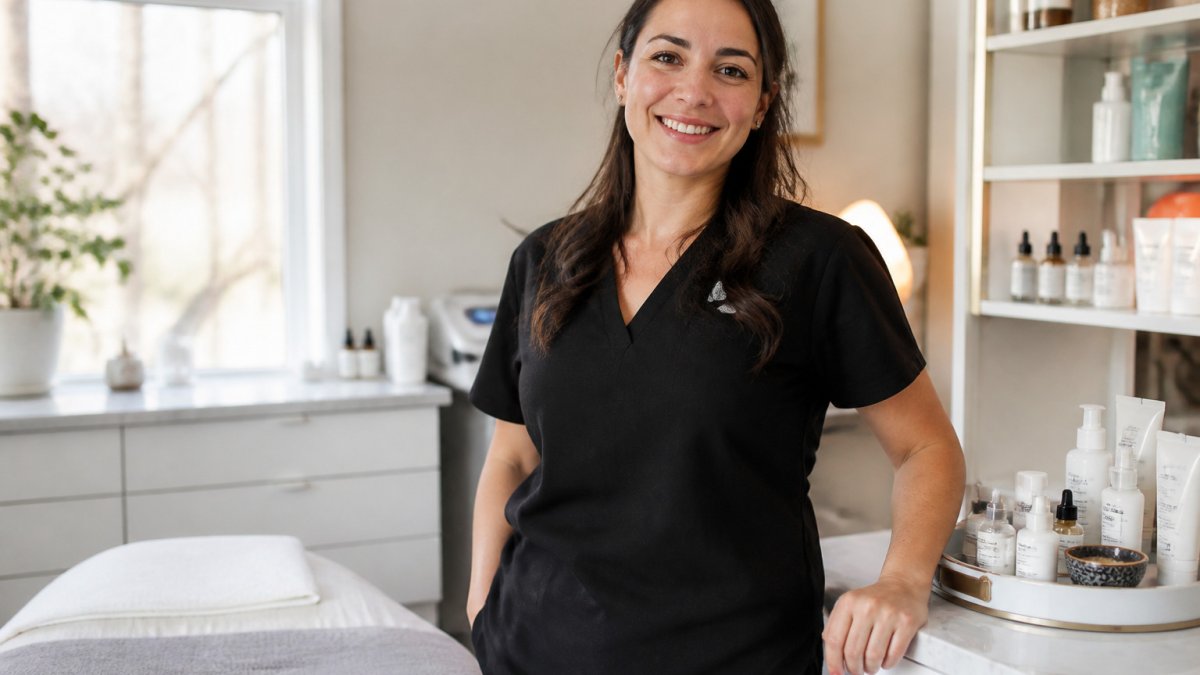
I'm Liz Almanzar, a licensed esthetician, and at Liz Almanzar Esthetics we help adult clients in Groton and Mystic, CT, sort out which options fit their skin.
Adult skin is often drier, more sensitive, and more prone to irritation than teenage skin. For a deeper look at natural and lifestyle approaches to hormonal acne, read how to clear hormonal acne naturally. A treatment that works well for a 16-year-old can leave a 40-year-old red and peeling.
1. Benzoyl Peroxide: Pros, Cons and How It Works
Benzoyl peroxide is one of the most widely used acne ingredients. It works by killing acne-causing bacteria and helping clear the pores. A 2024 review published in PubMed Central reports that formulations at 2.5%, 5%, and 10% have comparable efficacy for acne treatment, which suggests a lower strength can be a reasonable place to start (Acne treatment: research progress and new perspectives).
Pros: It is effective, inexpensive, and available without a prescription.
Cons: It can bleach fabrics and cause dryness or peeling, especially in adults with sensitive skin. Start with a 2.5% formula and use it every other day at first.
2. Salicylic Acid: Pros, Cons and How It Works
Salicylic acid is a beta hydroxy acid that works inside the pore to loosen buildup. The American Academy of Dermatology notes that salicylic acid works best on whiteheads and blackheads (American Academy of Dermatology acne guidance).
Pros: It helps with clogged pores and can be gentle when used at a modest concentration.
Cons: It is less useful for red, inflamed pimples, and it can dry the skin when combined with other actives.
3. Adapalene and Topical Retinoids: Pros, Cons and How They Work
Topical retinoids speed skin cell turnover and help prevent new clogged pores from forming. Adapalene is available over the counter and is among the leading nonprescription acne medications, according to GoodRx (GoodRx guide to over-the-counter acne medications).
Pros: Retinoids are among the most strongly recommended acne treatments in dermatology guidance.
Cons: Expect an adjustment period with dryness and irritation. Use sunscreen daily, because retinoids increase sun sensitivity.
4. Topical Antibiotics: When They Fit and Their Limits
Topical antibiotics reduce inflammation and bacteria on the skin. The American Academy of Dermatology's 2024 acne guideline includes topical antibiotics among therapies it recommends (Guidelines of care for the management of acne vulgaris).
Pros: They can reduce inflammatory breakouts when used alongside other treatments.
THE CLEAR SKIN BLUEPRINT STARTER KIT | E-Book + 3 Full Size Acne Products →
Cons: Using an antibiotic alone for long periods can encourage resistance. They are usually paired with benzoyl peroxide rather than used by themselves.
5. Oral Doxycycline and Other Prescription Options
Oral doxycycline is an antibiotic a dermatologist may prescribe for moderate inflammatory acne. The 2024 AAD guideline strongly recommends oral doxycycline (American Academy of Dermatology 2024 acne guideline).
Pros: It can treat deeper, inflamed breakouts that topicals alone may not control.
Cons: It requires a prescription, monitoring, and attention to side effects. It is a medical decision, so talk to a qualified provider about whether it is appropriate for you.
6. Niacinamide and Gentle Supporting Products
Niacinamide is a supporting ingredient that many adults add to a routine to help with redness and uneven tone. The Liz Almanzar Esthetics 10% Niacinamide Serum is one option in our catalog, formulated with Sodium Hyaluronate for hydration, priced at $24.99 for a 1 fl oz bottle.
Best for: adults with oily or combination skin who want a lightweight serum to pair with a treatment.
Skip if: your skin is easily irritated by multiple active ingredients at once.
For cleansing, the Charcoal Facial Cleanser is described as designed for oily, acne-prone skin, and the Gentle Balancing Toner is described as suitable for sensitive or blemish-prone skin.
7. Facial Treatments and Professional Care
Liz Almanzar Esthetics specializes in rejuvenating facials. Book a service to discuss your needs.
For more on how often professional care makes sense, read how often you should get a professional facial. If you are weighing a local provider, how to choose a professional facial spa in Groton walks through what to look for. Clients with deeper or painful breakouts should also know whether estheticians can help with cystic acne, since that question determines when a dermatologist should be involved.
If you are planning a fuller at-home approach, our Clear Skin Blueprint guide offers a 12-week program for understanding breakouts and building a routine.
Frequently Asked Questions
What is the most effective acne treatment for adults?
No single treatment works for every adult. The right choice depends on your blemish type and skin sensitivity, which a licensed professional can help you assess during a consultation.
Which over-the-counter acne treatment works best for adult acne?
GoodRx lists adapalene, benzoyl peroxide and salicylic acid as leading nonprescription acne medications. Salicylic acid is often recommended for whiteheads and blackheads, while benzoyl peroxide is commonly suggested for red, raised pimples. Start with one product at a time, use it consistently, and give it several weeks before judging the result. If breakouts persist or worsen, talk with a dermatologist about prescription options.
How long does it take for acne treatments to work?
Most topical acne treatments need several weeks of consistent use before results become visible. Patience matters, but so does knowing when to reassess. If you have seen no improvement after a reasonable trial, or if your skin becomes significantly irritated, stop and seek professional advice. Keeping notes on your routine and skin changes can make these conversations more productive.
Can adults use facials to help with acne?
Liz Almanzar Esthetics specializes in rejuvenating facials. Facials are cosmetic skincare services and do not replace medical treatment for acne.
Choosing among the seven best acne treatments for adults in 2026 comes down to your blemish type, your skin's sensitivity, and what you can stick with consistently. Start slowly, introduce one active at a time, and check with a qualified professional before adding prescription options. Book a service with Liz Almanzar Esthetics and we will help you build a routine that fits your skin.